
Idea 1
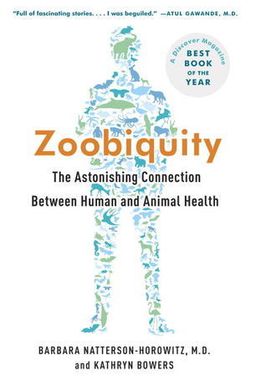
Zoobiquity: The Medicine We Share with Animals
How can you understand human health without understanding the rest of life? In Zoobiquity, cardiologist Barbara Natterson-Horowitz and science writer Kathryn Bowers tear down the invisible wall separating human and veterinary medicine. Their central claim is simple but revolutionary: humans and animals share nearly every major biological vulnerability—heart disease, cancer, obesity, anxiety, addiction, and even adolescence—and studying those parallels expands our diagnostic and therapeutic imagination.
A Forgotten Unity Between Doctors and Veterinarians
Before the twentieth century, physician-scientists like Rudolf Virchow and William Osler routinely studied disease across species, guided by the comparative method. But urbanization, professional silos, and legislative acts (like the Morrill Land-Grant Acts) physically separated medical and veterinary training. Over time, veterinarians turned into “animal doctors,” while physicians focused solely on humans. Zoobiquity calls for a reunion: to think clinically and scientifically in a shared biological frame.
The authors coined the term "zoobiquity" to capture this reintegration. Its working question—Do animals get this too?—opens up patterns doctors often overlook. For instance, when Natterson-Horowitz observed a tamarin named Spitzbuben suffer heart failure after capture, she discovered “capture myopathy,” a veterinary syndrome identical to human takotsubo cardiomyopathy. The lesson was humbling: animal caregivers had recognized the emotional heart long before human medicine named it.
From Curiosity to Clinical Framework
The book turns isolated anecdotes into a clinical philosophy. If animals and humans share patterns of suffering, then comparing them unlocks new treatment avenues. This comparative lens now informs fields like comparative oncology (studying naturally occurring animal cancers), One Health (integrated human-animal-environmental medicine), and translational cardiology (stress and fear disorders). Organizations like the WHO, CDC, and AMA have started embracing this integrated view, though clinical practice still lags behind.
An Evolutionary Framework of Health
Underneath the case studies lies evolutionary continuity. Genes, hormones, and organ systems evolved once and diverged—meaning observed diseases often unfold through homologous pathways. This “deep homology,” described by scientists like Neil Shubin and Sean B. Carroll, explains why stress, sexual function, feeding, and cancer defense follow similar rules in dogs, dolphins, and humans. To study medicine otherwise, the authors argue, is like reading one chapter of a multi-volume story.
A Toolkit for You
For doctors and patients, zoobiquity is more than metaphor. Physicians can check veterinary case reports for insights into emerging diseases (West Nile virus, koala chlamydia), while veterinarians gain access to human diagnostic technologies. For patients, it legitimizes curiosity—asking, “do animals experience this, and how do they recover?” For researchers, it widens models beyond lab mice to real, spontaneously ill animals whose biology reflects ecological complexity.
Core insight
Between human and animal medicine there is no categorical divide—only differences in context. The same biology manifests through diverse species, and understanding this continuum allows medicine to rediscover its ecological roots.
In short, Zoobiquity reframes medicine as part of a shared evolutionary health system. From frightened tamarins to stressed cardiomyopathy patients, from obese grizzlies to overweight adolescents, the book reveals that what unites species is more medically instructive than what separates them. Healing, in this view, becomes a cross-species collaboration—a recognition that we’re all patients of evolution.