
Idea 1
From Zero to One: Building the Future Through Innovation
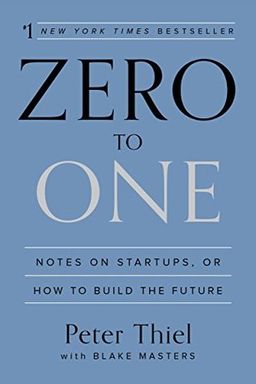
Have you ever wondered why some companies change the world while others merely imitate what’s already been done? In Zero to One, entrepreneur and investor Peter Thiel argues that true innovation means creating radically new ideas, not copying existing ones. Going from “zero to one,” he says, is the act of doing something completely new — an act of creation that reshapes industries, technology, and society itself.
Thiel’s central claim is that progress stems from vertical, not horizontal, growth. Going from 1 to n — copying existing models — may lead to globalization and scalability, but going from 0 to 1 is what builds entirely new frontiers. The book, based on Thiel’s 2012 Stanford class (noted for co-author Blake Masters’ viral lecture notes), serves as both a philosophical essay and a startup manual. It challenges readers — from entrepreneurs to policymakers — to rethink competition, progress, and how we design the future.
The Core Argument: True Progress Comes from Creation
According to Thiel, copying what works takes the world from 1 to n, or horizontal progress. This kind of progress — like exporting U.S. business models to China or expanding existing technologies — spreads existing ideas. It creates more sameness. In contrast, going from 0 to 1 is vertical progress: inventing something that never existed before. Creating Google, rather than another search engine; inventing the iPhone, not another Nokia. Every true innovation redefines the possible.
For Thiel, this distinction matters because the future depends on our ability to build fundamentally new technologies. Without innovation, societies stagnate — no matter how much they optimize existing systems. This argument underpins the book’s warning: if we simply globalize existing technology, we may end up consuming the planet’s resources without creating new wealth or solutions for humanity’s challenges.
Why Startups Matter: Small Teams, Big Futures
Thiel believes that new technology rarely emerges from large organizations or individuals working alone. Bureaucracies resist risk and innovation, while lone inventors lack infrastructure. Startups fill this gap — they are small enough to move fast, united by mission, and creative enough to rethink what’s possible. Whether it’s the PayPal Mafia launching a wave of billion-dollar companies (like SpaceX, LinkedIn, and Yelp) or Apple rebuilding itself under Steve Jobs, Thiel views startups as the engines of human progress. Each successful startup is a plan to change the world.
The Contrarian Question and the Future
Thiel begins every lecture — and this book — with a challenge: “What important truth do very few people agree with you on?” This question forces you to think contrarianly — to question conventional wisdom and find opportunity in secrets that others overlook. His own answer is that most people think globalization will define the future, but in fact, technology — the invention of new methods of doing things — matters far more.
The idea is that truth and opportunity often hide in places where others assume everything has already been discovered. To think originally is to believe the world still holds secrets — that there are problems worth solving that others haven’t recognized yet.
Competition, Monopoly, and First Principles
Contrary to common belief, Thiel argues that competition is overrated. In fact, in economics, perfect competition destroys profits and creates mediocrity. Successful businesses, he insists, are monopolies — not because they exploit consumers, but because they create unique value that no one else can replicate. From Google’s search algorithms to Apple’s integrated design, monopolies emerge when companies are ten times better than their rivals in some crucial dimension. A monopoly profits because it has no real competition, and this allows it to plan for the long term rather than constantly fight for survival.
Building a monopoly requires a deliberate plan, not luck. Thiel rejects the idea that entrepreneurship is a lottery. “You are not a lottery ticket,” he insists, urging founders to design definite plans rather than depend on chance — a critique of Silicon Valley’s obsession with “iterate and pivot.” Innovation isn’t random; it’s designed.
Definite Optimism: Designing the Future
Thiel categorizes worldviews into four quadrants: definite or indefinite, optimistic or pessimistic. He argues that the West today lives in a state of indefinite optimism — we believe technology and progress will happen automatically, but we lack clear plans or bold goals to drive them. In contrast, definite optimism — the belief that the future can be known and improved through deliberate design — built the modern world. The task, Thiel says, is to restore that kind of thinking: ambition guided by clarity and purpose.
Why This Book Matters
Ultimately, Zero to One is less a “how-to” startup manual and more a treatise on thinking differently about progress. It invites you to question consensus, seek secrets, and create value others can’t compete with. The book combines philosophy and practice, arguing that innovation, planning, and courage to think independently are society’s engines of transformation.
“Every moment in business happens only once,” Thiel writes. “The next Bill Gates will not build an operating system, and the next Larry Page won’t make a search engine. If you are copying these guys, you aren’t learning from them.”
This is a book about courage — the courage to do something new. Whether you’re launching a company, choosing a career, or reimagining your industry, Thiel’s message is that the future is not inevitable. It’s something we must design. To go from zero to one, you must dare to think for yourself — and build the world you wish to live in.