
Idea 1
Your Path to Freedom from Sugar
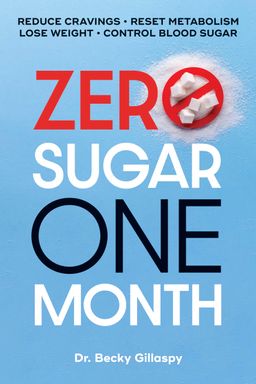
Have you ever felt like sugar has more control over your choices than you do? Becky Gillaspy’s Zero Sugar / One Month begins with this simple but uncomfortable truth: sugar isn’t just a casual indulgence—it’s a chemical manipulator of mood, cravings, and health. Gillaspy, a chiropractor and nutrition educator, argues that modern diets are loaded with hidden sugars that keep people trapped in cycles of fatigue, inflammation, and emotional eating. Her 30-day program is designed as more than a diet—it’s a behavioral and emotional reset to relearn how to eat, feel, and think without sugar’s interference.
Why Sugar Holds You Hostage
Sugar gives quick energy and emotional comfort, which explains why it creeps into daily habits so easily. The author calls it “the great deceiver”—an ingredient that offers instant gratification but steals your long-term health. Excess sugar fuels inflammation, ages your skin, fogs your memory, and promotes chronic diseases. What makes sugar especially tricky is its psychological grip: it masquerades as reward, comfort, and celebration. Even when we intellectually know it’s harmful, the compulsion lingers. This book asks you to face that dynamic directly—by eliminating added sugar for 30 days and watching your taste buds, metabolism, and mindset transform.
A Step-by-Step Behavioral Rebuild
Gillaspy structures the program around one central formula: Focus + Motivation + Action = Results. Each day begins with a short focus (a motivational statement), a relatable story, a practical action step, and a reflection space. These daily micro-lessons transform the challenge from a diet into an emotional training program. The first days are about preparation and self-awareness—removing temptation, setting up your kitchen, and assessing how sugar has affected your life. As weeks pass, emotional triggers, false hunger, and habitual snacking are systematically dismantled. By Day 30, the reader isn’t just physically free from sugar addiction but mentally equipped to maintain the freedom.
The Science of the Transition
The book’s timeline is based on metabolic adaptation. Days 1–10 are the transitional phase as your body stops using sugar as its primary fuel. Fatigue, cravings, and mood swings are expected but short-lived. Around Days 11–20, your metabolism becomes “fat flexible,” meaning it efficiently burns fat as energy. During this stage, most people notice sharper focus and steady energy. By Days 21–30, the body resets taste sensitivity, making sweet foods almost unappealing, and emotional cravings fade. (This mirrors research on taste adaptation, such as studies in American Journal of Clinical Nutrition showing reduced preference for sweetness after sustained abstinence.)
A Coach for the Emotional Side of Food
Unlike scientific guides such as Gary Taubes’s Good Calories, Bad Calories or Robert Lustig’s The Hacking of the American Mind, Gillaspy’s approach is deeply personal and behavior-oriented. She acknowledges setbacks (“Slipups aren’t failures; they’re data”) and focuses on emotional mastery. Each chapter teaches you to identify internal dialogues—like excuses, Automatic Negative Thoughts (ANTs)—and reshape them into motivational triggers. Emotional tools, such as the “Big WHY” exercise and “Stopper techniques” (flossing, tea rituals, or brushing your teeth to end eating), help you create psychological distance from temptation. Her style is coaching rather than commanding—you’re guided to reflect rather than obey.
Why This Challenge Matters
The power of Zero Sugar / One Month lies in how practical and human it feels. It doesn’t demand perfect compliance; it rewards daily effort. The structure of self-assessment and report cards turns progress into visible momentum. By Day 31, the reader learns not only to avoid sugar but to redefine their relationship with food itself—seeing it as fuel, satisfaction, and connection rather than reward or stress relief. Gillaspy’s message is clear: when you stop chasing sweetness, you discover something more nourishing—control, peace, and true enjoyment of life’s flavors.
What You’ll Learn Ahead
Ahead, you’ll explore nine key ideas: how preparation sets the stage for success, how emotional triggers can be tamed, how “none is easier than some,” what true hunger really feels like, why habit disruptors work, how curiosity replaces judgment, how consistency shapes change, how the final week unlocks freedom from sweetness, and finally, how to live sugar-free for the long haul. You’ll see how this 30-day challenge becomes an instrument of personal growth—one that starts with food but ends in mindset mastery.