
Idea 1
The Art and Science of Being Human
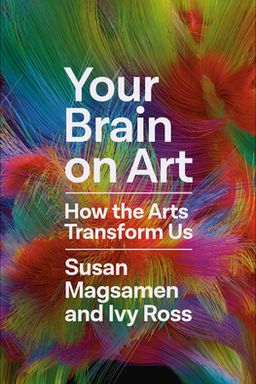
Why do the arts move, heal, and transform you? In Your Brain on Art, Susan Magsamen and Ivy Ross present a compelling synthesis of neuroscience and human experience that explains how creativity and aesthetics affect the mind, body, and society. They argue that art is not an accessory to life—it is part of what makes you human. The arts engage the full brain: sensory systems, memory networks, emotional centers, and meaning-making circuits. Through this lens, the book defines a growing field called neuroarts, which studies how artistic and aesthetic experiences spur neuroplasticity, improve health, and build flourishing communities.
At its core, the book shows that every human has an aesthetic mind. It is the part of you that notices beauty, feels awe, delights in color and sound, and finds pattern in chaos. When you nurture this part of yourself—through music, movement, design, ritual, or simple play—you are exercising the neural systems that shape your emotional regulation, attention, and sense of connection. This aesthetic engagement doesn’t just make life more enjoyable; it is biologically therapeutic and socially necessary.
The Science Behind Aesthetic Experience
You experience art through your senses, but art’s impact goes deeper than sensation. Neuroscience research by figures such as Ed Vessel, Rick Huganir, and Anjan Chatterjee reveals how sensory input interacts with emotion and meaning in the brain. five main concepts ground neuroarts research: neuroplasticity (the brain’s ability to rewire), enriched environments (settings that promote growth), the aesthetic triad (sensorimotor, reward, and cognitive meaning systems), and the default mode network (the neural seat of introspection and identity). The arts link them all. Salient aesthetic experiences release dopamine and norepinephrine, strengthen synapses, activate the DMN to create personal meaning, and nurture the same growth factors that physical exercise does for muscle tissue.
From the Individual to the Environment
The book moves from internal experience to external design. It argues that your surroundings—built, natural, or virtual—are not neutral. They can either stress or soothe, constrict or expand your sense of possibility. Enriched environments, such as hospitals designed with natural light and curved forms or installations like A Space for Being, measurably lower stress hormones and improve cognitive function. Nature itself, the ultimate enriched environment, restores attention and promotes calm through biophilic cues and multisensory richness. When aesthetic principles shape cities, classrooms, and clinics, you get environments that act like medicine.
The Arts as Everyday Practice
Magsamen and Ross bring art down from the gallery into daily routines. Microdoses of creativity—twenty minutes of doodling, humming, or mindful looking—can lower cortisol and boost mood. Arts practices become a form of precision wellness when matched to individual preferences: color immersion for relaxation, rhythm for focus, or singing to support postpartum recovery. According to Girija Kaimal and Daisy Fancourt’s research, such routine arts engagement correlates with higher life satisfaction, better emotional balance, and reduced health risks across the lifespan.
Art as Healing and Connection
Beyond prevention, art heals. From veterans expressing trauma through mask-making at the National Intrepid Center of Excellence to children using play and drawing after crisis, creativity becomes a safe, nonverbal language of integration. The same principle applies neurologically: music, movement, and visual art help individuals with Alzheimer’s, Parkinson’s, and stroke reconnect neural circuits. Li-Huei Tsai’s work with 40 Hz light and sound stimulation even suggests that rhythm and pattern—art’s structural essence—may clear molecular pathology in Alzheimer’s disease. In each case, art engages the body’s innate systems for adaptation, cohesion, and repair.
Culture, Awe, and Collective Flourishing
The book widens its scope to cultural well-being. Art has always been social glue—firelight stories, rituals, and music synchronized early human tribes and still synchronize our bodies today. Communal creative acts release oxytocin, promote trust, and fight loneliness. Awe and wonder—elicited by architecture, nature, or performance—downregulate self-focus and prime the brain for empathy and openness. Contemporary programs like Maria Rosario Jackson’s “cultural kitchens” or Project UnLonely show how community arts can rebuild connection at scale.
Toward a Neuroaesthetic Future
Magsamen and Ross end by imagining a world where art and science fully converge: where clinicians prescribe playlists or immersive VR for recovery; where wearable sensors supply biodata on how environments affect stress; where educators build sensory literacy alongside numeracy. The future of neuroarts lies in personalization, cross-disciplinary partnership, and inclusive design. As teamLab’s interactive installations, Refik Anadol’s AI data art, and mixed-reality classrooms already show, technology amplifies rather than replaces our need for beauty.
The central message: You do not need to be an artist to benefit from the arts. You need only recognize that art is a biological necessity—a technology of human thriving embedded in our evolution. By engaging it deliberately, you can rewire your brain, heal your body, and help society flourish.