
Idea 1
The Hidden Cost of Wall Street Ambition
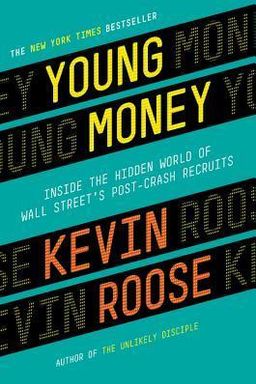
Have you ever wondered why so many of the brightest college graduates—many with no real passion for finance—end up working on Wall Street? Behind the glitz of skyscrapers and six-figure bonuses lies a fascinating, sometimes unsettling story about recruitment, aspiration, and the human cost of prestige. This book takes you inside that world, showing how financial institutions lure young minds early, how these recruits rationalize their choices, and how the intense work culture transforms them—sometimes permanently.
At its heart, the author argues that Wall Street is not just a career path, but a cultural pipeline—one that absorbs ambition from elite universities and transforms it into a relentless pursuit of profit. Yet beneath its success lies exhaustion, disillusionment, and a surprising commonality with those protesting against it. The book paints both an exposé and a cautionary tale about what happens when the smartest people in a generation trade meaning for money.
How Wall Street Captures Talent
The first part of the story reveals how investment banks deploy marketing tactics more reminiscent of entertainment companies than financial institutions. Their goal? To attract top-tier students before other industries even start recruiting. These firms host lavish presentations, dinners, and even produce slick, music-backed videos proclaiming that boundaries will be shattered and every day brings new challenges. By targeting impressionable students early, firms effectively turn finance into the default “elite” career path.
It’s not just about finance skills, either. Wall Street’s recruiters care mainly about where you studied, not what you studied. Ivy League credentials speak louder than any major or GPA. For many students graduating with debt and uncertainty, the industry's “two-and-out” plan—a promise of two years as an analyst before moving on—seems like an easy compromise. It’s seductive: pay off loans, gain business skills, and keep options open. Yet that temporary commitment often turns permanent.
Inside the Analyst Grind
Once recruited, young analysts plunge into a work culture that tests every limit. The author vividly describes 100-hour weeks, days that start at 9am and finish at 5am, and bosses who yell before they mentor. Analysts are constantly on call—Christmas morning is fair game. This combination of workload and emotional pressure leads to burnout, strained relationships, and health breakdowns. One analyst, Arjun Khan, learned this the hard way when his body literally collapsed under the stress of his lifestyle.
Even the perks—on-site gyms, barbers, and cafes—reveal a disturbing trend: the modern office as social containment. Everything an analyst needs is within the building, subtly discouraging any real separation between work and life. The system not only demands time; it rewires priorities.
From Prestige to Disillusionment
Ironically, as the 2007 financial crash and Occupy Wall Street protests show, many young analysts found themselves sympathizing with the very movements condemning their institutions. They may sit behind the glass windows of Goldman Sachs, but emotionally, many identified more with the demonstrators outside. Some even lied about their jobs to avoid judgment. They discovered that for all their overtime, most had little real influence on big financial deals—they were overworked assistants in an opaque machine.
This creates a paradox that resonates deeply: to survive in the system you must surrender individuality, yet your work’s impersonal nature erodes the very sense of meaning that drew you there. Many eventually leave, like one analyst who posted on Facebook, “The nightmare is over,” after quitting to start his own business.
The Human Toll and the Way Out
For those who stay, the transformation is striking. Personality shifts, cynicism grows, and even personal relationships start resembling transactions. The author illustrates this moral erosion by attending the secretive Kappa Beta Phi dinner, where top financiers mock modesty, flaunting bonuses through satirical performances. The message is clear: Wall Street doesn’t just consume hours—it consumes values.
Ultimately, the book doesn’t condemn ambition but urges reflection. The glamour of a secure six-figure salary fades quickly when it means trading creativity, health, and self-respect. The post-crash world, with shrinking bonuses and critical public opinion, now forces a new generation to ask whether finance is truly their calling—or merely a detour from something more meaningful. If you’re facing that decision, this book urges you to think beyond the lure of prestige and ask: what kind of life are you really working for?