
Idea 1
The Freedom and Power of Being Yourself
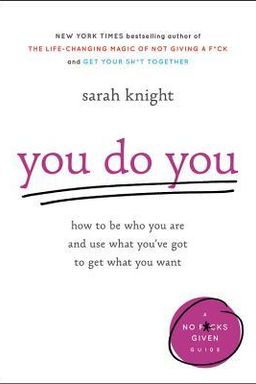
Have you ever felt like there’s something wrong with you—because you don’t live, think, or look the way other people expect? In You Do You, bestselling author and self-described “anti-guru” Sarah Knight urges you to stop apologizing for who you are and start living on your own terms. She contends that your biggest act of self-empowerment is to accept your differences and live authentically—even when society, family, or coworkers tell you not to.
Knight’s core argument is simple yet radical: there is nothing wrong with you. The real problem lies in social norms, judgy expectations, and the tyranny of “just because”—those unspoken rules that tell us how to live, look, and behave merely because that’s how everyone else does it. Knight’s irreverent humor and candid storytelling dismantle those pressures and replace them with a far more liberating philosophy: do you, not what others want you to do.
Breaking Free from 'Just Because'
Knight introduces what she calls the “Tyranny of ‘Just Because,’” a cultural force that keeps people conforming to tradition and expectations even when they don’t serve them. As a child, she learned to question “Why because?” when told she couldn’t do something. As an adult, she argues that same rebellious spirit is essential for mental health and creativity. You don’t have to go to every family event just because you’re related, take a job you hate just because it’s safe, or smile just because someone tells you to. Doing things for “just because” reasons leads to Lowest Common Denominator Living—her phrase for dull, joyless conformity.
The Social Contract—Rewritten
Knight frames much of the book around the idea of revising society’s unspoken “social contract.” Sure, some rules exist to keep the peace (like not answering the door nude to carolers), but others—like “don’t be selfish,” “you’ll regret that,” or “you should smile more”—limit individuality. The author rewrites fifteen major clauses of this contract, turning them on their heads: selfishness can be self-care, pessimism can be productivity, and weirdness is not shameful but powerful. The goal, she says, is not to tear up the social contract but to amend it so that you can thrive without becoming “an insufferable prick or a psychopath.”
Confidence and Mental Redecorating
A recurring tool throughout the book is mental redecorating—Knight’s version of refreshing your thinking without overhauling your personality. You can turn supposed flaws into strengths: if people say you’re stubborn, reframe it as perseverance; if they say you’re weird, think “unique.” This kind of mental feng shui lets you rearrange your outlook to be more supportive of your authentic self. Confidence, she asserts, isn’t about perfection—it’s about acceptance. And acceptance breeds confidence.
Self-Acceptance Meets Tolerance
Through humor and sharp honesty, Knight traces her own evolution from being judged (for being nerdy or difficult) to learning how to stop judging others. In the epilogue, she reveals an unexpected twist: doing you also means letting others do them. Accepting yourself goes hand in hand with accepting the quirks, habits, and even messes of those around you. When she stopped criticizing others—whether for their messy homes or dog-hair-covered beds—she became happier and less anxious herself. This principle turns her anti-guru rebellion into a genuinely ethical way to live: self-confidence combined with empathy.
Why It Matters
Knight’s irreverent manifesto matters because far too many people waste time trying to fix supposed flaws that aren’t flaws at all. By rejecting other people’s expectations, you free up emotional space to pursue real fulfillment. As she says, life is short, everyone’s different, and then everybody dies—so stop losing sleep over what others are doing and start looking out for number one. You Do You combines the liberation of her earlier books (The Life-Changing Magic of Not Giving a F*ck and Get Your Sh*t Together) with a deeper empowerment: once you truly accept who you are, confidence follows naturally. The message is as funny as it is profound: you don’t need to be just like anyone else to be perfectly okay.