
Idea 1
Negotiation as the Art of Life
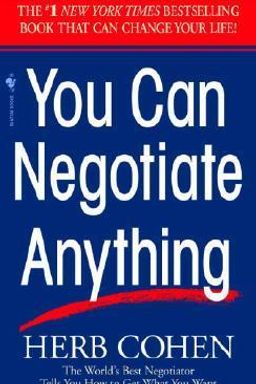
How can you get more of what you want without feeling pushy or powerless? In You Can Negotiate Anything, Herb Cohen argues that negotiation is not a trick reserved for diplomats and business moguls—it’s a fundamental life skill that everyone uses daily, whether bargaining for a raise, resolving family conflicts, or managing relationships. Cohen contends that success in any interaction depends on recognizing that life itself is a series of negotiations, shaped by three invisible variables: information, time, and power.
Negotiation, in Cohen’s definition, is the use of information and power to affect behavior within a web of tension. This means you’re not just “getting a good deal”—you’re learning to influence others ethically and intelligently. True power, he insists, is perception: if you believe you have it, you do. Equally, information and timing determine leverage—those who prepare and wait often succeed over those who rush or react. The point is not manipulation, but mastery; to see reality clearly and affect it deliberately.
Negotiation Is a Way of Life
Cohen opens by urging readers to realize they are already negotiators. Families, companies, governments, and even children constantly “use information and power to affect behavior.” He illustrates this humorously with his nine-year-old son, who used tantrums, timing, and parental guilt to manipulate family dinner plans. Negotiation, he assures, is not about aggression—it’s about creative problem solving and mutual satisfaction.
Crucially, Cohen invites readers to abandon the myth that virtue and hard work alone bring rewards. The winners of life, he claims, are not necessarily the most talented but the most negotiation-savvy—those who can frame their needs while meeting those of others. By seeing interactions as structured negotiations, readers can cultivate influence, satisfaction, and confidence.
Everything Is Negotiable
Extending this worldview, Cohen dismantles the myth of fixed rules. Almost nothing, he writes, is “written by the Big Printer in the Sky.” From hotel check-out times to store pricing, most systems were negotiated before you arrived—and therefore remain negotiable. He uses absurdly comic examples—an appliance buyer cowed by a “Sears” sign or guests who obediently leave Holiday Inns by 1 p.m.—to show that authority often works through perceived legitimacy, not real law.
The lesson: challenge assumptions. By testing what seems immovable, you often discover flexibility hiding in precedent. Signs, rules, even bureaucratic policies were made by people; hence, they can be changed by people. But negotiation should always serve your comfort and authenticity. Cohen cautions that you negotiate only when it aligns with your needs and energy—otherwise, walk away.
The Path to Mastery
Over the course of the book, Cohen builds negotiation into a holistic practice: a blend of psychology, communication, and pragmatism. He divides his lessons into parts: learning how to manage the three hidden variables—power, time, and information—before mastering specific tactics and styles. He then introduces the ethical and interpersonal dimensions of negotiation: recognizing human needs, emotions, and relationships. Instead of focusing only on “winning,” Cohen promotes what he calls collaborative Win-Win negotiation—the art of meeting both sides’ deeper needs.
The practical side is lively and daring. Cohen shows you how to calmly challenge authority, how to wait out deadlines until power shifts, and how even apparent weakness can become strength. Through stories—whether facing the IRS, wrangling with a car salesman, or surviving international deals—he makes negotiation feel human, humorous, and empowering. (Note: Cohen’s conversational storytelling prefigures later behavioral negotiation works like Getting to Yes by Fisher and Ury, though his tone is more playful and personal.)
Why This Matters
Cohen’s thirty years of experience—from business mergers to hostage negotiations—lead to one radical conclusion: negotiation skill determines the quality of your life. If you can influence others, you can shape outcomes instead of being shaped by them. The use of negotiation is not confined to boardrooms—it’s in marriages, friendships, communities, and every moment requiring cooperation. In essence, it’s emotional intelligence in real-world action.
By learning to think, listen, and respond like a negotiator, you rediscover agency. Cohen’s philosophy blends self-belief (“You have more power than you think”) with ethical realism (“Power is transport, not goal”). Negotiating, then, becomes an act of wisdom—a way to live deliberately amid life’s tensions. As he puts it, “You can get what you want if you believe you have power and view your life’s encounters as negotiations.”