
Idea 1
From Violence to Redemption: The Power of Rewriting Your Life
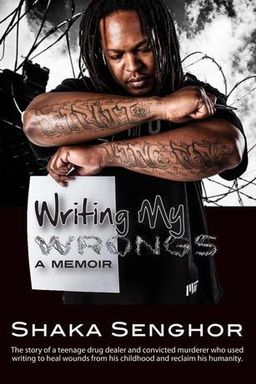
Have you ever wondered whether one moment of violence, fear, or rage can define your entire life—and what it might take to rewrite that definition? In Writing My Wrongs, Shaka Senghor invites you to look directly at this question by sharing the most intimate journey imaginable: his transformation from a nineteen-year-old convicted murderer into a writer, mentor, and advocate for redemption. His argument is simple but radical: no one is permanently defined by their worst act. People change when they are willing to examine their lives with brutal honesty, forgive others and themselves, and rebuild purpose through service and art.
The core of Senghor’s story unfolds through his years in solitary confinement—the period he calls both hell on earth and the birthplace of his rebirth. It’s within these cold, concrete walls that he faces his anger, fear, and guilt, and decides to begin writing as a way to examine what went wrong. For Senghor, writing becomes both healing and revelation; words become bridges between the broken boy he was and the mature man he is becoming. As a reader, you’re invited to walk those steps alongside him, revisiting the psychological damage of an abusive childhood, the false allure of the crack era, the meaning of forgiveness, and the liberating truth that self-reflection can spark redemption even after unimaginable mistakes.
The Context: Growing Up in Detroit’s Violent Streets
Before the crime that shaped his future, Senghor was a bright and thoughtful child from Detroit. He dreamed of becoming a doctor, but family instability and brutal beatings from his mother drove him to seek connection in the streets. In neighborhoods consumed by drug trade and poverty, the rules of survival replaced the rules of morality. At fourteen, Senghor was selling crack and surviving stickups from addicts. Each violent encounter hardened him—especially after being shot at seventeen. Fear disguised itself as courage, and paranoia masqueraded as strength. That psychological shift fueled his tragic decision to carry and eventually use a gun, resulting in the murder that sent him to prison.
Inside Prison: The Mirror and the Madness
In Wayne County Jail and later Michigan’s maximum-security facilities, Senghor sees firsthand how broken men build broken communities behind bars. Early chapters vividly depict the violent, dehumanizing logic of prison life—the rapes, stabbings, and hierarchies where respect replaces empathy and survival trumps morality. In these places, Senghor becomes a leader within inmate circles, but also a participant in the chaos. His years of rage reflect how trauma replicates itself: scared boys act tough, tough men act cruel, and the cycle continues. Eventually, more than four years in solitary confinement force him to stop running. In isolation, deprived of distractions, he faces the literal and emotional mirror.
The Turning Point: Writing, Reading, and Spiritual Awakening
Staring into a scratched steel mirror at Oaks Correctional Facility, Senghor begins to forgive—the people who humiliated him, the ones who shot him, and even his mother. But most important, he forgives himself. He starts writing letters, journaling, and studying philosophy and spiritual texts. Books become his mentors: The Autobiography of Malcolm X, As a Man Thinketh by James Allen, Houses of Healing by Robin Casarjian. Through them, Senghor sees that thought precedes action and belief fuels behavior. Each page shifts him from destructive thinking to introspection. Writing becomes not just survival but transformation—a process similar to what Viktor Frankl described in Man’s Search for Meaning: the discovery that even suffering can yield purpose when it’s reframed through consciousness.
Forgiveness and Atonement: Reconnecting with Humanity
Years later, Senghor writes a letter to his victim’s family, expressing remorse and understanding that no apology can undo what was done. This act marks the culmination of his healing: forgiveness as freedom. The power of compassion—first received through his victim’s godmother, who forgave him—is what ultimately reawakens his humanity. Her kindness shows him that love can exist even for a murderer, and that such love can reshape meaning and identity. Senghor learns that redemption is not denial of guilt but the full acceptance of it combined with purposeful living. His work mentoring young men after his release, writing books, and advocating for change are all modern extensions of this atonement.
Why It Matters to You
Whether or not you’ve lived Senghor’s experience, his message speaks to broader truths: trauma shapes choices, but awareness can reshape destiny. Everyone carries pain from childhood, failure, or loss; the difference lies in how we process it. Senghor reminds you that silence breeds violence, but reflection breeds wisdom. His story challenges social systems that punish but rarely rehabilitate—and forces readers to imagine what justice might look like if every “criminal” was offered the tools of introspection before condemnation. Ultimately, Writing My Wrongs isn’t just about crime and punishment. It’s about the universal human capacity to rise from our worst mistakes and create meaning out of brokenness.