
Idea 1
Building a Time Management System That Truly Works for You
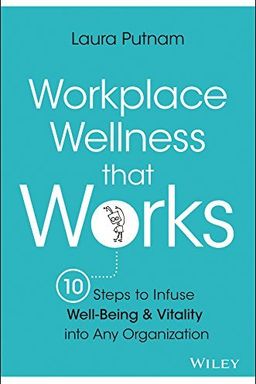
How many times have you tried a new productivity tool, only to abandon it after a week of frustration? In Workplace Wellness That Works, Laura Putnam—through her discussion of “Creating a Time Management System That Works for YOU”—argues that effective organization isn’t about following the latest app trend or mimicking someone else’s perfectly color-coded planner. Instead, it’s about creating a unique system that precisely fits your personality, preferences, and professional environment. The central claim is simple but profound: there is no one-size-fits-all method for managing time or staying organized. To achieve sustainable productivity, you must intentionally design a system that aligns with how you naturally think and work.
Putnam (drawing on her background as a leading productivity expert and consultant) invites you to reimagine what productivity means in an era overrun by notifications, overflowing inboxes, and endless to-do lists. Technology has reshaped our professional lives, but it has also introduced new layers of complexity. As she discovered from decades of speaking and training professionals, our ability to manage time in the modern workplace isn’t a matter of discipline—it’s a matter of design.
From Simplicity to Overload
When Putnam first learned time management in the late 1980s, her instructor told her to create minute-by-minute schedules for each day. Back then, this worked. But with today’s fast pace of information and constant digital disruptions—email, messaging, calls, and countless collaboration platforms—such rigid scheduling quickly collapses. The reality now is that you could spend more time re-planning your day than actually doing the work. Technology promised efficiency; ironically, it has flooded us with new distractions. This insight sets the foundation for her central message: productivity today requires adaptability, not rigidity.
The Challenge of Information Chaos
Putnam acknowledges that modern professionals face a flood of inputs—emails, texts, chats, and constant meetings. Managing time now means managing information flow. The ability to quickly retrieve a document, recall a conversation, or find a note determines whether you feel in control or constantly behind. Organization, she argues, isn’t about neatness; it’s about being able to find what you need when you need it—in 30 seconds or less. This clarity breeds confidence and reduces stress, a theme also echoed by productivity thinkers like David Allen (Getting Things Done), who emphasizes the mental relief that comes from externalizing and structuring tasks.
Discovering Your Productivity Personality
One of the most engaging parts of Putnam’s system is the self-assessment she offers. It’s a practical diagnostic tool consisting of 18 questions that help you determine your “organizational personality”—whether you lean toward paper-based methods, electronic systems, or a hybrid of both. Questions range from “Do you enjoy using calendaring software?” to “Do you print your emails?” or “Do you prefer seeing a full month at a glance?” These simple but revealing questions help identify your default tendencies. Rather than prescribing one method, Putnam empowers you to make choices that amplify your strengths and accommodate your daily habits.
Technology as a Double-Edged Sword
Through relatable anecdotes, such as the professional who never removed her new BlackBerry from the box or the executive who abandoned digital tools after losing control of scraps of notes, Putnam shows how technology can both aid and undermine productivity. Digital devices excel at storing large amounts of information and providing access on the go—but they often fail at capturing ideas, taking extensive notes, or fostering creativity. She observes that those who rely exclusively on handheld devices often become the most disorganized, because their to-do lists scatter across apps, emails, and sticky notes. Without a central system, chaos reigns.
The Hybrid Advantage
After studying productivity systems for nearly two decades, Putnam concludes that the most effective solution is often a hybrid method—a personalized blend of paper and digital tools. Electronic calendars like Microsoft Outlook or Google Calendar are practical for scheduling and syncing, but paper planners support spontaneous creativity and focused note-taking during meetings. Even the most tech-savvy professionals, she notes, still reach for pen and paper when listening to voicemails or capturing quick thoughts. The lesson here echoes Cal Newport’s advice in Deep Work: minimize friction by using the simplest tool for each task.
Designing Your Own System
Putnam encourages readers to think of time management as a personal architecture. If your office setup, habits, travel patterns, and personality differ from others, it makes sense that your system should too. Borrow ideas, experiment, and evolve—but always anchor your organization around one principle: consistency. The system you use is less important than whether you use it consistently. Without this discipline, even the best-designed planner or app will gather dust—or worse, multiply your sense of overwhelm.
Why It Matters
In the bigger picture, Putnam’s message is about reclaiming control over your attention and mental bandwidth. A system that works for you converts chaos into clarity, allowing you to focus on what truly matters and reducing the stress of constant adjustment. By choosing tools aligned with your style, you’re no longer reacting to technology—you’re using it intentionally. This is the heart of her philosophy: productivity is not about doing more, but about creating systems that let you live better.
Ultimately, Putnam reminds readers that organization isn’t aesthetic perfection or a quest for efficiency for its own sake. It’s about freedom—freedom to think, to create, to finish work on time, and to go home earlier. When your time management system fits you like a glove, productivity becomes not just effective—but sustainable.