
Idea 1
When Love Becomes an Addiction
When Love Becomes an Addiction
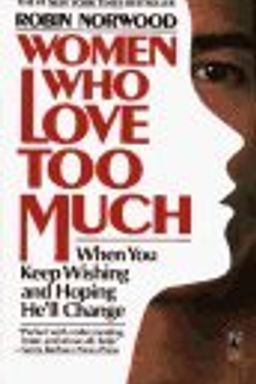
Robin Norwood's Women Who Love Too Much redefines obsession in relationships not as moral failure or bad luck, but as an addictive process. When you chase emotional intensity over stability, forgive cruelty repeatedly, or feel relief only during reunion after chaos, you are experiencing a cycle akin to substance dependence. The book reveals that many women mistake this pattern for genuine love, when in truth it operates like a drug: stimulating, numbing, and ultimately depleting.
How the addiction works
You enter a relationship high—hopeful, thrilled, and desperate to be seen. When disappointment and neglect follow, panic mounts and pushes you to give more, forgive more, and rationalize harm. Jill’s devotion to Randy—late-night calls, financed visits, endless pursuit—shows the classic cycle: each rejection triggers withdrawal. Norwood compares the ensuing obsession, nausea, insomnia, and pacing to physiological withdrawal from narcotics. Love becomes a chemical rush followed by agony, and you chase the next dose of contact even when it injures you.
Why it happens
The roots often lie in childhood deprivation. If you learned to soothe a volatile parent or earned affection through service, your nervous system equates proving worth with safety. Lisa, raised by an alcoholic mother, became addicted to men who needed rescue because being needed felt alive. When emotional security was absent early on, chaos later becomes familiar—your body knows turmoil better than peace.
Why sex intensifies the hook
For many women, sexual passion provides the illusion of intimacy. This is Trudi’s question: how could sex feel transcendent when everything else hurt? Norwood explains that sexual contact releases pent-up tension and temporarily fuses distance into union. It confirms value: if he wants you physically, perhaps you matter. Yet this reinforcement keeps you attached—eros substitutes for emotional safety, creating the biochemical loop of addiction.
Recovery through recognition
To heal, you begin by naming the pattern: it is not romance but dependency. Admitting the severity breaks denial’s spell. Norwood’s case studies show that recovery requires external grounding—therapy, support groups, or community—to retrain emotional regulation and self-worth. The book emphasizes that wanting someone intensely is not proof of love; it’s evidence of pain. Recovery means learning to source validation internally and to bear the calm that once felt like boredom.
Core insight
Addictive love thrives on deprivation and drama; genuine love grows in safety and reciprocal presence. The first feels thrilling, the second unfamiliar—and learning that difference is the foundation of recovery.