
Idea 1
The Illusion of Virtue: The Rise of Woke Capitalism
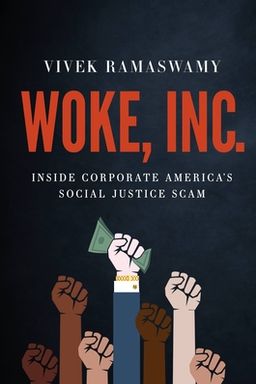
What happens when corporations begin to preach morality? Vivek Ramaswamy argues that the rise of “woke capitalism” has transformed ordinary companies into moral actors, often with self-serving outcomes. His central claim is that corporate wokeness isn’t genuine virtue—it’s a business strategy that merges politics, profit, and power into a single spectacle.
You can think of this transformation as a performance in three acts—what Ramaswamy calls the “corporate magic trick” of The Prestige. Companies begin with The Pledge: offering familiar goods and services. They then perform The Turn: aligning those products with moral causes that appeal to consumer emotion. Finally comes The Prestige: claiming moral authority, which shields them from criticism and expands political influence. The stunning part is that most people clap, unaware that they just witnessed a business maneuver rather than a moral awakening.
How the alliance formed
After the 2008 financial crisis, corporations were desperate for legitimacy, and cultural activists sought funding and visibility. Their arranged marriage—capitalism joined with wokeness—was engineered for mutual benefit. Corporate America gained reputational cover, and activist movements gained distribution and money. This marriage, Ramaswamy claims, has produced unintended consequences: moral hypocrisy, cultural division, and the erosion of democratic decision-making.
Brands began to advertise identity and justice, not products. State Street’s Fearless Girl statue celebrated female empowerment while masking a gender-pay lawsuit. Goldman Sachs pledged board diversity while paying billions in fines for financial misconduct. Nike embraced Colin Kaepernick’s protest while continuing questionable labor practices overseas. These examples reveal how activism was commodified—virtue became marketing currency.
From capitalism to political control
The trend didn’t stop at branding. Firms began setting de facto social agendas. Investment giants like BlackRock use ESG (Environmental, Social, and Governance) criteria to enforce social standards across entire industries. Tech firms curate what people can read, watch, or believe. Finance and Silicon Valley, Ramaswamy says, have become private governments operating without elections, transparency, or constitutional oversight.
This evolution created a new power elite—the managerial and financial classes—who trade in moral credibility as their main resource. These executives, insulated by doctrines like the Business Judgment Rule, make ideological decisions with little accountability. Their incentives revolve around reputation rather than shareholder value or public consent.
Why democratic accountability matters
Ramaswamy redefines the issue not as a culture war but as a constitutional problem. Corporations enjoy privileges—limited liability, tax benefits, and legal immunities—that were justified only because their purpose was economic, not political. Once corporations use these special protections to pursue social activism, they cross a fundamental boundary. Political decisions should reflect votes, not portfolios; public values should emerge through democratic discourse, not marketing campaigns.
Core insight
When profit-making entities claim moral leadership, they distort the free market and the democratic process alike. This fusion of commerce and ideology creates private moral monopolies that decide public values without the accountability of elected institutions.
In the chapters that follow, Ramaswamy explores the mechanics of this system—how finance, tech, and managerial elites consolidate influence; how ESG investing inflates ideological bubbles; how corporate activism weakens pluralism; and how civic renewal could restore democratic balance. His goal isn’t to reject morality in business but to reclaim moral debate for the people, not their employers or fund managers.