
Idea 1
Understanding How We Die and Live Well Until Then
Understanding How We Die and Live Well Until Then
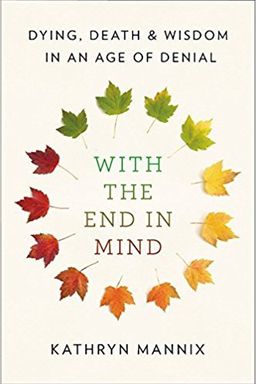
Kathryn Mannix’s work teaches you how to see dying not as a terrifying event but as a process rooted in patterns, kindness, and clarity. Drawing from decades of palliative care stories, she reveals that death, far from being chaos, often follows predictable physical, emotional, and social arcs—and that understanding these patterns helps everyone respond with calm compassion. The book's heartbeat is this idea: when you understand dying, you stop fearing it and start living more fully.
Recognising dying as a gradual and often gentle process
Mannix repeatedly demonstrates that dying has a recognisable rhythm. Patients lose energy over months; sleep dominates; appetite fades; conversations shorten; and eventually the person drifts in and out of consciousness. Breathing changes—sometimes rattly or paused—are natural cues, not signs of pain. When families learn this pattern, panic subsides. They stop calling emergency services in fear, and begin to sit quietly, offering presence and touch instead of alarm. Holly’s decline and Sabine’s hospice conversation exemplify how knowledge replaces terror with tenderness.
The danger of silence and the power of clear words
Avoiding words like ‘death’ or ‘dying’ creates confusion. Mannix’s clinic stories—Joe and Nelly, Fergus and Maggie—show families torn apart by vague talk and distorted messages. Saying ‘you are dying’ may feel blunt, but it’s a kindness: clarity opens space for preparation, reconciliation, and meaningful goodbyes. The author calls this second-hand news syndrome, where euphemisms mutate into misinterpretations. Her simple rule—tell the right people, plainly, and invite questions—turns final conversations into opportunities for peace rather than regret.
Different coping styles and what they teach
You’ll meet people like Eric the planner, Sally in denial, and Louisa the stoic. Each illustrates a coping style: control, avoidance, adaptation. Recognising these patterns lets you adjust your support. A planner values options; someone in denial seeks gentle comfort; a stoic benefits from small acts that restore agency. Mannix’s practical message—meet people where they are, not where you wish they were—shapes the emotional intelligence that defines good end-of-life care.
The role of hospice and palliative care
Hospices emerge as vibrant, humane spaces—not sad waiting rooms but centres that restore dignity and manage symptoms. Teams combine medicine with conversation: pain relief, anti-sickness drugs, physiotherapy, cognitive therapy, and family support. Mannix’s stories—Penny’s dressing-room tribute, Eric’s family Christmas—show how teamwork redefines the end as a period of living meaningfully. The hospice ethos is simple: comfort, choice, and continued life until the very last breath.
Facing uncertainty and sudden death
Not all endings are predictable. Alex’s sudden haemorrhage—a ‘wrecking ball’ in the oncology ward—forces families and professionals to process shock and trauma. Mannix explains how clinicians can guide families to reconstruct events through story, transforming horror into memory. This narrative work is vital; it converts “something happening now” into “something that happened and can be carried.” Sudden death reminds us of medicine’s limits, and of the healing power of storytelling after loss.
Planning ahead and keeping control
Advance conversations—EHCP documents, DNACPR forms, symptom kits—prevent emergency chaos. Talking early allows dignity and tailored care. Dan’s advocacy for EHCP plans spurred wider change across his region, showing how personal planning creates systemic legacy. Mannix emphasises direction of travel, not numbers: say “weeks rather than months” to orient loved ones gently. This pragmatic language helps families act from understanding, not denial.
Ethical boundaries and compassionate withdrawal
Max’s request to stop ventilation reveals the nuanced ethics of withdrawing life support versus euthanasia. Mannix draws careful distinctions—between ceasing a treatment and intending death—and shows how preparation, sedation trials, and teamwork keep withdrawal humane. Ujjal’s contrasting case in the Netherlands shows how legal euthanasia can unintentionally provoke fear and conceal symptoms. The core principle stands: explore symptom control first, maintain trust, and protect agency without implying inevitability.
Seeing beyond the moment and symbols of transcendence
You learn to view dying through metaphors. When Sanjeev speaks of a train to Delhi, or when Nana sees amaryllis blooms, they are expressing transformation. Mannix invites you to ask what symbols mean rather than correct them—home may signify peace, not geography. Spiritual changes—apology, forgiveness, gratitude, love—form humanity’s common last messages. Billie-Ella’s jazz tapes and Pete’s dream resolution reveal transcendence as emotional completion rather than theology.
Home care, ritual, and legacy
Many wish to die at home, and the hospice stories show it can be done: drugs in syringe drivers, trained community teams, pets arranged for care. Walter’s daughters, Bob’s cat, and Ruby’s post-mortem detail how practical love shapes final comfort. Legacy takes multiple forms—Dan’s policy work, Sylvie’s patchwork cushion, Bob’s care for his cat. Mannix’s enduring question—what ripple will you leave?—turns dying into an act of creation.
Core insight
Understanding dying—its physical pattern, psychological meaning, and emotional opportunities—turns fear into compassion. You can learn to speak clearly, plan ahead, and act kindly. Mannix’s stories make death less a medical event and more a human partnership, shaped by dignity, love, and wisdom.
Taken together, these ideas trace a progression: from recognising the process of dying, to speaking truth, to coping and planning, to finding meaning beyond fear. Mannix’s message is both practical and profound: dying well is possible—and living well now depends on learning how.