
Idea 1
The Power of Wintering: Embracing Life’s Fallow Seasons
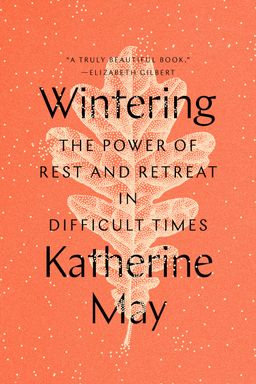
When life falls apart—when illness, grief, or loss pulls you under—how do you respond? Do you rush to distract yourself, or do you slow down and listen? In Wintering: The Power of Rest and Retreat in Difficult Times, Katherine May offers a quiet revolution against our culture’s obsession with constant productivity and positivity. She argues that just as nature cycles through seasons of growth and dormancy, we too must learn to honor the winters of our lives: those inevitable periods of retreat, uncertainty, and transformation.
May contends that our pain, burnout, and crises are not failures to be hidden but essential moments of renewal. “Everybody winters at one time or another,” she writes, “yet we treat these times as shameful deviations from normal life.” Through personal narrative and reflection, she turns winter into a metaphor for the human experience of hardship and change. Her book blends memoir, nature writing, travelogue, and cultural history to show that wintering—when welcomed consciously—can become a period of profound growth.
Falling Into Winter: A Crisis Unfolds
May begins with a literal and emotional collapse. On the cusp of her fortieth birthday, her husband is suddenly hospitalized with a burst appendix, her own health unravels, and she finds herself leaving a career that’s drained her spirit. What follows is a descent into what she calls her personal “somewhere else”—a liminal space outside the regular flow of daily life, where she must sit with uncertainty. This fall from stability into disorientation becomes the book’s call to awareness: that the seasons of suffering often begin quietly, almost imperceptibly, until we realize we’ve crossed a threshold.
She likens this moment to nature’s rhythm. Just as trees shed their leaves and animals hibernate, humans too enter internal winters. Instead of resisting them, May suggests, we can learn from nature’s strategies: preparation, withdrawal, conservation, and trust that spring will come again. Her thesis challenges the modern myth of endless summer—the idea that we should remain happy, productive, and “up” all the time. Winter proves that dormancy isn’t death; it’s part of the cycle of regeneration.
Learning to Live the Seasons of the Soul
Throughout Wintering, May moves between her own story and cultural explorations. She writes about visiting Iceland’s geothermal pools, learning Nordic winter rituals from Finnish friends, encountering ghost stories at Halloween, and awakening to the power of cold-water swimming on her local beach. Each scene offers metaphors for how to survive and even delight in life’s coldest chapters. From the art of preserving quinces to the eerie comfort of dormice hibernating underground, she discovers that survival often involves humility, preparation, and conscious slowing down.
May also draws on legends and literature—the Cailleach, the Gaelic goddess of winter; Sylvia Plath’s bees; the children’s worlds of Narnia and The Dark Is Rising—to show how winter has always haunted human imagination. Across all these stories lies a single truth: winter brings transformation. It’s when we shed what’s worn-out and reenter the cycle anew. In this sense, wintering becomes both metaphor and practice. She finds that doing “deeply unfashionable things”—resting, slowing, tending to one’s home—are radical acts of survival in a hurried world.
The Gift Hidden in the Cold
By the end of the book, May rejects the cultural impulse to treat suffering as deviation. Instead, she insists it’s as natural as the seasons. “Winter is not the death of the life cycle,” she writes, “but its crucible.” When we allow ourselves to rest, to stop fighting the darkness, we find that winter gives us back to ourselves. It asks us to pay attention. It shows us what we actually need. The stillness isn’t emptiness—it’s preparation for growth.
May’s story reminds you that your own winters—times of loss, burnout, grief, or isolation—are not personal failings. They’re part of your belonging to the natural world. If you can learn to recognize and accept them, you’ll uncover their quiet wisdom. The rest of Wintering expands this insight into lived practices: preparing for hardship, resting through illness and fear, finding transformation in stillness, and finally, returning to light. It’s less a self-help manual than a lyrical permission slip to be human—to pause, to hurt, and to begin again.