
Idea 1
The Science of Self-Control
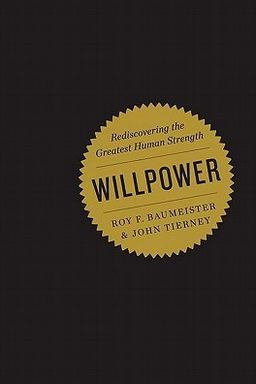
Why do you break promises to yourself even when you know better? In Willpower: Rediscovering the Greatest Human Strength, psychologist Roy Baumeister and journalist John Tierney argue that self-control is not merely moral fiber—it’s a finite, biological, and trainable resource. Through decades of experiments, case studies, and practical examples, they reveal the science behind why people succeed or fail at resisting temptation and how you can design your life to make discipline easier rather than harder.
Baumeister’s central claim is striking: willpower behaves like a muscle. You can strengthen it over time, but each act of restraint temporarily weakens it. What drains your control isn’t just temptation—it’s decisions, distractions, and emotions. From resisting cookies to managing money, from dieting to procrastination, all acts of self-regulation draw from a common reservoir. Understanding this shared fuel lets you allocate self-control more intelligently.
The Willpower Economy
The book’s experiments—especially the famous “radish study”—show that resisting temptation reduces stamina for later tasks. Hungry students who resisted cookies gave up faster on puzzles than those who indulged. Baumeister called this ego depletion: effortful control burns mental energy. Neuroscience later confirmed that depleted brains show reduced activity in conflict-monitoring areas like the anterior cingulate cortex. So depletion is not imaginary—it’s measurable.
But depletion is not destiny. The authors integrate discoveries from physiology, economics, and neuroscience to explain how you can refuel and protect your limited supply. Glucose—the brain’s basic energy source—plays a crucial role. When glucose drops, willpower falters; when it’s replenished, control returns. This is why low blood sugar correlates with impulsive behavior and why small energy boosts, from healthy meals or short breaks, can help revive restraint. (Note: the book distinguishes tactical glucose fixes from long-term nutrition habits—“fueling well” beats quick sugar hits.)
Designing for Fewer Decisions
Even choices you enjoy sap willpower. The concept of decision fatigue reveals why judges deny parole late in the day and shoppers surrender to impulse buys after long sessions. Every decision consumes a bit of restraint, so your brain prefers defaults and procrastination as fatigue grows. The authors suggest countering this with structure: automate routine decisions, create checklists, and schedule major choices when you’re fresh. Decision quantity eats power; limiting choice frees it for the moments that matter.
Systems That Save Self-Control
The book moves from lab theory to practice through tools like to-do lists and David Allen’s Getting Things Done. These systems work because they close mental “open loops.” The Zeigarnik effect—the mind’s tendency to keep unfinished tasks active—creates mental noise until you make a plan. Writing down the next concrete action releases that tension and restores focus. Similarly, monitoring progress and comparing results strengthen discipline. Trollope’s daily writing logs or apps like Mint.com and RescueTime illustrate how tracking brings invisible habits into awareness and motivates change.
From Heroic Restraint to Habitual Order
In later chapters Baumeister and Tierney argue that the highest form of willpower is not constant resistance but autopilot discipline. Habits conserve your limited reservoir by turning effortful acts into automatic routines. Stanley shaving amid starvation in the jungle or Trollope writing by the clock both show that order creates stability. People with high self-control rely less on heroic effort and more on structured environments—neat rooms, clear schedules, and predictable routines.
Social and Moral Infrastructure
The authors extend this insight to the social level. Religion, AA, and commitment groups use ritual, monitoring, and shared values to reinforce discipline—a kind of outsourced willpower. Public commitment strengthens private resolve: when you confess intentions, report progress, or face social penalties for lapses, temptation loses power. The same logic guides modern commitment devices like stickK.com, which penalizes failure financially or publicly.
The Strategic Mindset
Ultimately, Baumeister and Tierney urge you to play offense instead of defense. Don’t count on last-minute willpower to save you—structure your world so fewer temptations appear. Precommit when you’re calm, set bright-line rules where moderation fails, and practice small self-control exercises daily to build stamina. Whether you’re dieting, managing money, or parenting, success depends less on sheer determination and more on intelligent preparation.
Essential takeaway
Willpower is real, biological, and limited—but trainable. To thrive, manage it like a resource: fuel it, schedule it, automate around it, and build habits and communities that protect it.