
Idea 1
The Anatomy of Willful Blindness
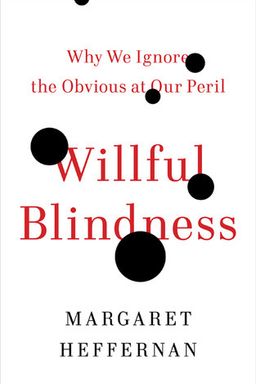
Why do intelligent, well-meaning people fail to see what is right in front of them? Margaret Heffernan’s Willful Blindness takes this uncomfortable question and turns it into a psychological, social, and organizational inquiry. She argues that willful blindness isn’t mere ignorance—it’s a survival strategy, a way for individuals and institutions to preserve comfort, identity, and belonging when the truth threatens them. Rather than blaming malice or stupidity, Heffernan shows that blindness grows naturally from the forces that make life workable: love, trust, obedience, and efficiency.
Throughout the book, she uses vivid case studies—from BP’s refinery disasters and Enron’s corruption to family denial and community silence—to expose the mechanisms that hide danger until it becomes catastrophe. Across stories that span love and business, psychology and neuroscience, the book reveals one core paradox: the same processes that bind you to others also narrow what you see.
The everyday roots of blindness
Heffernan begins with psychology. You naturally prefer what’s familiar because it conserves mental energy and reduces anxiety. Cognitive experiments (such as Robert Zajonc’s mere‑exposure effect) show that repeated faces, ideas, or patterns feel safer and more trustworthy. This affinity—the pull toward sameness—helps communities cohere but blinds you to difference. Technology amplifies this bias: eHarmony matches people by similarity, while Pandora feeds you songs like the ones you already love. Comfort breeds focus—and tunnel vision.
Love, ideology, and the emotional calculus of denial
The book shows that blindness thrives where emotion runs deepest. In relationships, “positive illusions”—seeing your partner as better than they are—predict stability. Neuroscientists find that love quiets brain regions for critical judgment: to stay bonded, you literally disable skepticism. Yet that same mechanism allows families and institutions to ignore abuse, as seen in the Irish Church scandals or domestic denial in Emily Brown’s research. Ideological conviction works the same way. Alice Stewart’s data on fetal X‑rays was ignored for decades because it clashed with medical orthodoxy, just as Alan Greenspan’s faith in self‑correcting markets blinded regulators before the 2008 crash. Belief, like love, edits reality to reduce pain.
Systems that magnify blindness
Blindness scales up. In corporations, obedience, conformity, and incentive systems entrench it. You defer to bosses (Milgram), emulate peers (Asch), and ride the wave of culture even when it steers toward disaster (Enron, HBOS). Authority shifts moral focus from questions of right and wrong toward compliance and performance: the “just following orders” defense becomes ordinary. At BP and other firms, structural distance—seven layers separating executives from the factory floor—meant no one connected daily hazards with catastrophic potential. Complexity hides accountability as effectively as denial hides guilt.
The cost of comfort
The consequences are lethal and widespread. Texas City’s explosion, Libby’s asbestos poisoning, financial collapse, and child abuse scandals all show the price of not seeing. Each arose not from individuals intending harm but from cultures that rewarded silence, conformity, and results over honesty. Heffernan’s conclusion is moral as well as practical: when everyone averts their eyes, suffering becomes normalized.
How to start seeing again
Heffernan insists that blindness is not inevitable. You can design habits and structures that interrupt it—assign devil’s advocates, invite contrarian data, rotate auditors, shorten reporting lines, and build dissent rituals. Individuals can test their loves and loyalties against reality by seeking outside views and third opinions. Organizations can champion those Cassandras who see early and speak up. Seeing clearly isn’t comfortable; it requires humility and courage. But the book’s enduring argument is hopeful: because blindness is learned, awareness can be taught.
Willful Blindness weaves psychology, neuroscience, and social science into one thesis: your greatest strengths—love, trust, conviction, and ambition—are also the forces that make you blind. To live and lead responsibly, you must learn when to look away from comfort and toward the unease that signals truth.