
Idea 1
Transforming Fear into Mastery
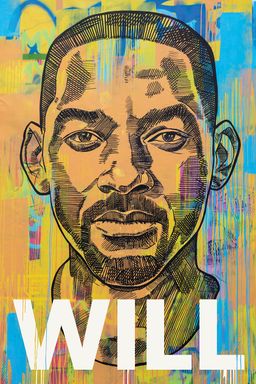
What if the fear that shaped your childhood could become the blueprint for your greatest triumphs? In Will Smith’s memoir, the journey moves from trauma to transcendence—from the frightened boy who watched his father hurt his mother to the global performer who built a career brick-by-brick. The central argument is simple yet profound: discipline, imagination, and surrender
At its heart, the book is not just a celebrity story; it’s a meditation on the psychology of growth. Will’s life illustrates how survival strategies—performance, control, humor—evolve through stages: from defense mechanisms into deliberate crafts and later, spiritual practices. The first chapters root this evolution in the formative lesson his father taught at age twelve: you don’t build a wall; you lay one brick at a time. That principle becomes Will’s operating system for decades.
Fear and Family: The Psychological Furnace
Fear originates not abstractly but viscerally—the night young Will witnesses domestic violence and freezes. The guilt of inaction becomes his life’s fuel. He vows never to be powerless again. His siblings embody other archetypes: Harry fights, Ellen flees, Will performs. For Will, humor becomes armor—a tool to disarm danger and earn love. This is the seed of the performer he later becomes.
(Note: Psychologically, this mirrors trauma adaptation models in therapy—where habits born of fear later calcify into identity. The distinction between performance as survival and artistry as expression becomes crucial.)
Fantasy and Performance: The Refuge of Imagination
Imagination first offers Will protection. His invented friend Magicker shields him from chaos and isolation. Yet fantasy also seduces him into denial. He learns, sometimes painfully, that invention without grounding leads to delusion: cowboy-boot dunks, exaggerated stories, empty showmanship. The turning point arrives when he learns to structure fantasy into disciplined art—converting imagination into daily practice, exactly as the brick metaphor taught him.
Discipline and Hustle: From Blocks to Industry
Brick-by-brick discipline later becomes Will’s formula for survival in hip-hop. DJ Jazzy Jeff and the Fresh Prince teach him to combine creative improvisation with meticulous process: rehearsing lines, refining mixes, building from setbacks. The learn-by-doing ethos of touring—where ignorance becomes tuition—cements his education. You see the evolution from naive teenager to entrepreneur who understands contracts, royalties, and negotiation after painful mistakes.
Destruction and Alchemy: Learning Through Ruin
From fame’s frenzy emerges collapse: tax issues, reckless spending, and personal fires. Yet destruction becomes purgation. Quincy Jones appears—a creative alchemist—offering structure, mentorship, and renewal. The Fresh Prince of Bel-Air becomes proof that ruin can seed rebirth. The principle: transformation demands burning away identity layers until you rediscover the essential craft.
Reinvention and Mission
Will and his manager JL transform personal desire into strategic design. Together they articulate the audacious goal—“the biggest movie star in the world”—and reverse-engineer it through pattern analysis and global leverage. The move from vague ambition to precise mission turns success from accident to architecture. Specificity births power: you must name your want before you can manifest it.
Shadow Work and Surrender
Late in life, therapy unearths the dual personas—the pleaser Uncle Fluffy and the commander General. With teacher Michaela Boehm and Vipassana silence, Will learns surrender: letting the noise of control dissolve. Ayahuasca visions uncover an inner voice of Mother urging him to stop talking and simply be. He learns the humility of the ocean—life’s uncontrollable rhythm—and starts rebuilding from inner truth rather than applause.
Purpose, Love, and The Smile
Finally, through his father’s death, he discovers meaning in giving. Happiness, he concludes, is an output: generated through love, reassurance, and service. The Smile is not a reaction; it’s creation. You generate joy when you become the source of care. True mastery—emotional, artistic, and spiritual—emerges when performance evolves into presence, when fear dissolves into love, and when success becomes service.
Central lesson
You do not escape fear by destroying it; you repurpose it. Will’s entire life arc is proof that trauma can birth art, that failure can forge discipline, and that surrender completes the cycle of growth.
Across every era—from Overbrook to Hollywood to Himalayas—the message stays constant: lay your brick, integrate your fears, learn aloud, and give abundantly. Life doesn’t grant safety; it teaches you courage through creation.