
Idea 1
Rediscovering the Wild Heart of Man
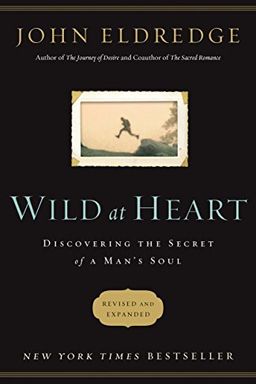
When was the last time you felt truly alive—your heart racing, senses sharp, and soul electric with purpose? John Eldredge’s Wild at Heart: Discovering the Secret of a Man’s Soul opens with that burning question. He argues that modern men have become domesticated, tamed by culture, religion, and fear. Beneath the surface, however, every man carries a fierce longing—to fight battles, live adventures, and rescue a beauty. Eldredge’s core argument is that these desires are not flaws to be shamed or suppressed; they are reflections of God’s own wild heart, written into the soul of man.
In a world that prizes safety over risk, comfort over conviction, men have traded strength for niceness and wildness for correctness. The result, Eldredge contends, is a generation of men who have lost their hearts. His message is not a call to macho aggression or reckless rebellion, but to divine restoration. The book is, as he calls it, a “safari of the heart,” a journey to recover passion, purpose, and masculine authenticity.
Why the Heart Matters
Eldredge anchors his thesis in Proverbs 4:23: “Above all else, guard your heart, for it is the wellspring of life.” He insists that the heart—particularly the heart of a man—is the epicenter of spiritual vitality. Yet our culture mistrusts the masculine heart, viewing it as dangerous when untamed and weak when submitted. In response, the church often offers men a program of moral conformity rather than a vision of heroic living. Eldredge’s bold claim is that Christianity has “done more damage to masculinity than any other force,” by portraying Jesus as a passive, polite figure rather than a fierce warrior and lover. Recovering the lost heart, then, begins with reclaiming Jesus as the model of godly wildness—powerful, dangerous, but good.
The Three Core Desires
According to Eldredge, every man shares three core desires: a battle to fight, an adventure to live, and a beauty to rescue. These are not cultural quirks; they echo back to Genesis, to Adam who was formed outside Eden’s garden—from the wilderness—and commissioned to subdue the earth. In other words, man’s untamed nature was built by design. The desire for battle reflects God’s warrior spirit (“The Lord is a warrior; the Lord is his name”). The call to adventure mirrors God’s creative wildness, as seen in the diverse, perilous beauty of creation. And the yearning for beauty symbolizes the relational heart of God, who woos humanity like a lover.
Throughout the book, Eldredge weaves vivid examples—from classic films like Braveheart and Legends of the Fall to the biblical narratives of David, Moses, and Jesus—to illustrate that men become whole only when they answer these three quests. Suppressing them leads to apathy or escapist addictions; embracing them redeems life as an epic story with danger, love, and divine purpose.
The Battle for the Soul
Beneath these desires lies a spiritual war. Eldredge describes a cosmic battle between good and evil over the hearts of men, echoing thinkers like C. S. Lewis and George MacDonald. Every man carries wounds—usually given by his father—that leave him questioning, “Do I have what it takes?” The enemy uses these wounds to domesticate and deceive. Healing comes only through initiation by the Father, who restores a man’s heart through trials, adventure, and intimacy with Him. This process, says Eldredge, mirrors the masculine journey seen in epic myths and Scripture alike: from naïve boyhood, through wounding, into recovered strength.
Why It Matters Today
Eldredge’s message has resonated globally because it reframes faith not as submission to rules but as invitation to adventure. For men who feel hollow—successful yet soulless—it proves revolutionary. For women, it offers insight into the mystery of masculinity and a way to call forth strength rather than control it. Ultimately, Wild at Heart urges both men and women to see themselves as part of an epic love story in which God is the Great Warrior and Lover, rescuing humanity and calling us to join Him in the fight. The book’s power lies not only in its theology, but in its call to action: to recover your heart is to recover your life.