
Idea 1
Inside the Political Machine
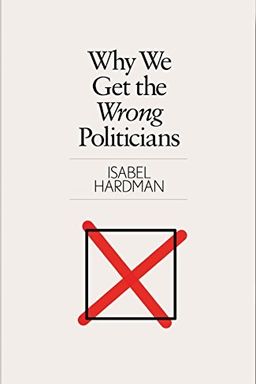
What kind of institution do you get when power, ambition, and privilege intertwine over centuries? In *Why We Get the Wrong Politicians*, Isabel Hardman examines how Westminster’s structures, cultures, and incentives distort representation and decision-making. The book argues that British politics attracts able people but breaks them—and that its operational machinery makes poor laws not because individuals are inherently corrupt, but because the system rewards the wrong behaviours.
A system rigged by barriers and incentives
You enter politics through a maze of costs and networks that exclude most people without money or connections. Assessment days, unpaid campaigning, and professional coaching create a filter where wealth and free time matter more than talent. Once inside, MPs face a career structure that promotes loyalty over scrutiny. Ministers and party whips incentivise yes‑men instead of questioners, meaning laws pass with minimal interrogation.
(Note: Similar critiques appear in Anthony King’s *The British Constitution*, which highlights hyper-centralisation and a weak legislature.)
The Westminster Bubble and cultural self-reproduction
Hardman explores the social psychology of politics: the ‘winner effect’ drives addiction to influence, and the Westminster Bubble recycles insiders—former advisers, lobbyists, and youth-wing activists—into MPs. This cultural cloning deters new voices with different life experience. It also normalises behaviours that would be unacceptable elsewhere, from alcohol dependence to workplace harassment. The Bubble teaches people not only *how* to survive but *what* to value: power, proximity, and perpetual motion.
When governance becomes firefighting
Constituency surgeries reveal the human fallout of weak legislation. MPs spend more time fixing individual bureaucratic crises than preventing them through better law-making. The tension between service and scrutiny—personal help versus structural reform—makes parliamentary work reactive. That imbalance explains why disasters such as Grenfell and policy fiascos like the ‘pasty tax’ arise: the system’s design rewards appearance of responsiveness rather than depth of understanding.
Executive dominance and its consequences
Above all, the executive controls the flow of information and sets the pace. From Iraq to Brexit, ministers use delegated legislation and tight timetables to bypass Parliament. MPs often lack time or expertise to interrogate technical details, leaving major decisions to civil servants or private commissions. Hardman shows how post‑war crusades and domestic programs repeat the same error: acting fast, centralising control, and learning too late.
Human toll and trust collapse
The emotional costs of this machine are profound. Between threats, divorces, drinking, and burnout, MPs pay dearly for their jobs. The 2009 expenses scandal and later sexual‑harassment crises deepened public cynicism, wiping away trust not only in individuals but in the institution itself. Hardman insists that you cannot rebuild legitimacy through punishment alone; you must reform process, culture, and career incentives so Parliament attracts people who want to serve, not merely win.
Core argument
Politics fails not because bad people lead it, but because a flawed system turns decent motives into brittle habits and bad law. To fix Westminster, you must dismantle the structures that reward self‑preservation, penalise diversity, and prioritise loyalty over competence.
The rest of the book traces how that system functions day‑to‑day—from selection costs to committee failures, from harassment to reform proposals—and how you, as a citizen, can understand the mechanics behind why Britain so often gets the wrong politicians and the wrong policies.