
Idea 1
Confronting Britain’s Denial of Racism
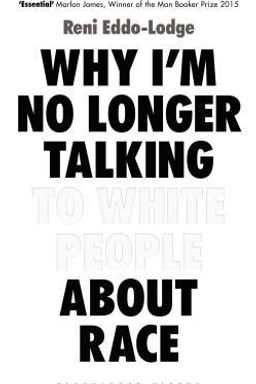
Why is it still so hard to talk about race in Britain without the conversation derailing into feelings of guilt or denial? In Why I’m No Longer Talking to White People About Race, journalist Reni Eddo-Lodge argues that Britain suffers from an emotional and historical blindness about race that prevents meaningful progress. She contends that white people’s refusal to recognise structural racism—and their tendency to reduce discussions to individual prejudice—creates a communication gap that leaves people of colour exhausted and alienated.
The book was born from a viral 2014 blog post where Eddo-Lodge declared she was done explaining racism to those who denied its existence. But instead of a retreat, this book expands that frustration into a sustained conversation about Britain’s racial history, systemic inequality, and white privilege. Across seven chapters, she traces how empire and slavery established the foundations for modern racism, how institutions like the police and education perpetuate inequality, and how contemporary movements—from feminism to class politics—often fail to address racial injustice.
Britain’s “Post-Racial” Fantasy
Eddo-Lodge opens by exposing Britain’s myth of being “post-racial”—a comforting illusion that racism ended with the civil rights era. This myth allows many white Britons to insist that racism only existed in distant history or across the Atlantic in the United States. The author shows how this denial manifests culturally and politically: in conversations that focus on being “colorblind,” institutions that claim neutrality while reproducing inequality, and a public that often blames people of colour for their own marginalisation.
Race as a Structure of Power
Central to Eddo-Lodge’s argument is that racism is not a matter of good or bad individuals—it is a structural system of power. She defines structural racism as the invisible web of institutional policies, cultural norms, and group behaviours that collectively uphold white dominance. This is what she calls the “system,” evident in policing, education, housing, and employment. Using vivid British examples—like the handling of Stephen Lawrence’s murder and the government’s responses to race riots—she shows how systemic bias operates not through overt hatred but through bureaucratic indifference and coded language like “immigration control.”
History’s Hidden Legacy
Eddo-Lodge argues that Britain’s inability to face its racial present stems from the erasure of its racial past. Few people realise that cities like Liverpool and Bristol were built on slave-trade profits or that black and Asian soldiers served—and were erased—from World War history. Through figures such as Dr Harold Moody and the Bristol bus boycott activists, she reconstructs a buried black British history of resilience and resistance. Without knowing this past, she suggests, British identity remains trapped in selective amnesia about its imperial violence.
Why This Conversation Matters
The book insists that confronting whiteness is not optional—it’s essential for real social change. For Eddo-Lodge, talking about race means examining whiteness itself, not just black identity. She encourages white readers to use their privilege for advocacy, rather than guilt or performative acts. Her message is both pragmatic and hopeful: although the conversation is messy, uncomfortable, and unending, progress depends on facing discomfort, not skipping to a feel‑good resolution. As she writes in closing, “There’s no justice, there’s just us.”
Through its blend of historical research, personal reflection, and political critique, Why I’m No Longer Talking to White People About Race becomes more than an essay about frustration—it’s a call to action. It asks readers of every background to question how much denial and convenience they’re willing to tolerate in a society built on racial inequality, and reminds us that dismantling racism means unlearning the stories we’ve been told about ourselves.