
Idea 1
The Transformative Power of Defiance and Love
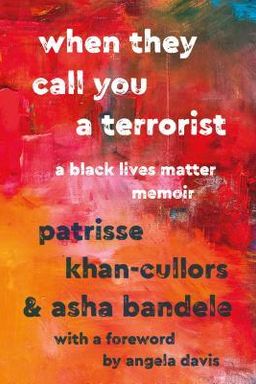
Have you ever been labeled something so powerful it made you question who you are? In When They Call You a Terrorist, Patrisse Khan-Cullors, co-founder of Black Lives Matter, asks that very question—because for her, being called a terrorist wasn’t just a label, it was an accusation meant to delegitimize resistance, erase history, and destroy hope. Yet instead of despairing, she rebuilt her understanding of identity and activism around love, vulnerability, and truth. She argues that to fight systems of oppression, we must first remember our humanity—and protect it fiercely, even when the world insists we don’t belong.
Khan-Cullors contends that the story of her life—the intersection of poverty, racism, queerness, faith, and community—reveals exactly why movements like Black Lives Matter exist. They’re not born from anger alone; they rise from grief turned into vision. Her book becomes a meditation on how personal trauma and collective struggle can birth a radically empathetic form of resistance.
From Survival to Stardust
The memoir begins with a poetic reflection: she and her people are made of stardust—survivors of centuries of violence who still radiate light. This cosmic imagery connects generations enslaved, imprisoned, or impoverished to something infinite and sacred. It's Khan-Cullors’ way of saying, “we were never meant to die; survival is our rebellion.” Her mother’s endless work hours, her father Gabriel’s addiction and charisma, her brother Monte’s suffering inside the carceral system—all become symbols of endurance. Through them, she learns that defiance can wear the face of love itself.
Her detailed recounting of Monte’s torture in Los Angeles County Jail becomes one of the book’s emotional cores. It reveals how routine violence against Black and mentally ill people is normalized in America. Yet it’s through witnessing Monte’s pain that she discovers her true calling: organizing against systemic cruelty. The shock, she writes, turns into movement.
Love as Resistance
Throughout the memoir, Khan-Cullors insists that love must accompany defiance. Love, she quotes James Baldwin, “takes off the masks we fear we cannot live without.” Whether loving her queer community, her husband Mark Anthony, or the comrades who risked their lives protesting police violence, she shows that love is not sentimental—it’s revolutionary. (Compare this to bell hooks’ All About Love, which reframed love as an ethic of justice rather than mere emotion.) Khan-Cullors uses care as a counterattack to a world that equates hatred with power.
The memoir transforms the idea of leadership: not heroic martyrdom but collective compassion. The founders of Black Lives Matter—Khan-Cullors, Alicia Garza, and Opal Tometi—move beyond slogans. They cultivate healing circles, art, and joy amid mourning. This redefines activism as a sustainable spiritual practice.
The Moral of Being Called a Terrorist
Why is the story called When They Call You a Terrorist? Because the label itself exposes a disturbing truth: America’s institutions often brand Black liberation as threat, while real terrorism—white supremacist violence, mass incarceration, poverty—is ignored. Even Nelson Mandela was listed as a terrorist by the FBI until 2008. For Khan-Cullors, being called a terrorist becomes proof of power: “If they fear our liberation, we must be doing something right.” She reframes what others use as condemnation into a declaration of survival.
Why This Story Matters
This book is more than a memoir—it’s a lens into the architecture of inequality and the possibility of repair. It’s about America’s criminalization of Black existence, but also about making joy and kinship in spite of it. Through vivid experiences—from the raids that shattered her peace at St. Elmo’s Village to the birth of the hashtag #BlackLivesMatter—she invites you to ask: How might you protect someone else’s dignity today? How might you redefine justice not just as punishment, but as healing?
Core Message
You are not the labels used to limit you. You are the stardust that persists, the community that refuses to vanish. And when they call you a terrorist for daring to love your people—you answer with truth, compassion, and action.
Over the course of this summary, you’ll walk through twelve interconnected ideas—from the broken beginnings of her childhood to the birth of a global movement. Each idea builds on the last, showing how one person’s courage can ignite collective transformation, how grief becomes a rallying cry, and how our shared humanity can still, somehow, win.