
Idea 1
The Body Says What the Mind Cannot
The Body Says What the Mind Cannot
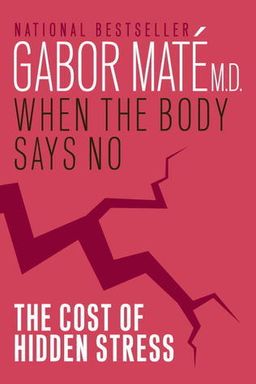
You might think of health as something purely physical—immune cells, hormones, organs. Yet the central argument of this book is that your body never acts alone. Every thought, emotion, and belief is a biochemical event. Illness reveals what the mind could not process, what the heart could not express, and what relationships failed to mirror. The field of psychoneuroimmunology (PNI) forms the scientific foundation of this idea: your nervous, endocrine, and immune systems communicate constantly in one unified super-system.
The Stress Machinery
Hans Selye defined stress as a response, not a situation. Whenever your brain perceives threat, the hypothalamus releases signals through the pituitary and adrenal glands—the HPA axis—to flood your body with cortisol and adrenaline. In short bursts, those hormones mobilize energy and suppress inflammation. But chronic activation—the kind you live with when emotions go unspoken or boundaries are violated—wears down immunity, accelerates cell aging, and reshapes tissues. You then pay a slow physiological debt for emotional survival strategies learned long ago.
Repression and Learned Helplessness
Repression is not a moral flaw; it is an adaptation. As a child you learn which feelings are acceptable. When anger, fear or grief threaten your bond with a caregiver, you mute them—until the body becomes their narrator. This disconnection between physiological arousal (Emotion I) and conscious awareness (Emotion III) traps stress responses in your tissues. Over time you may endure what psychologists call learned helplessness, a passive endurance that resembles submission—your body keeps fighting for you when your words cannot. That chronic internal battle is the precursor to many stress-linked diseases described in these pages.
Disease as Biography
Autoimmune disorders, neurological diseases, cancer, and even gut syndromes follow discernible emotional patterns. Patients with multiple sclerosis, scleroderma, or lupus often share histories of caretaking, perfectionism, emotional deprivation, and self-suppression. In the author’s words, the immune system’s failure to distinguish self from not-self mirrors the psychological confusion in relationships where boundaries were never allowed. Similarly, degenerative diseases like ALS or Alzheimer’s correlate with lifelong patterns of duty, repression, and detachment. This is not reductionist blame—it is an exploration of causality that includes emotional and developmental history alongside biology.
Healing through Emotional Competence
If repression wounds, emotional competence heals. To be competent means recognizing what you feel, expressing it safely, discerning old pain from new, and maintaining boundaries while staying connected. When you learn to say no, to rest, or to ask for help, physiological stress markers begin to fall—cortisol, adrenaline, inflammatory cytokines. The author’s clinical vignettes—Mary with scleroderma or Natalie with MS—show improvement when emotional contact replaces chronic self-denial.
A Developmental Lens
Early attachment molds the brain itself. The absence of attunement, touch, or safe responsiveness imprints hypervigilance into the HPA axis and hippocampus, increasing susceptibility to later illness. The “biology of loss” argues that emotional deprivation is a physical wound. As demonstrated in the Nun Study and Romanian orphan research, early emotional richness protects cognitive and immune health decades later.
Integrating Mind and Medicine
Medical practice often stops at organs and molecules, yet the 55 percent placebo effect demonstrates how belief and relationship transform outcomes. Bruce Lipton’s work on epigenetics and cell membrane perception reinforces that beliefs and environment regulate genes. Healing thus occurs not just in tissue but in meaning. The Seven A’s—Acceptance, Awareness, Anger, Autonomy, Attachment, Assertion, and Affirmation—are tools to restore integrity between mind and body. When you stop hiding behind false positivity and take honest inventory of pain, your biology begins to reorganize around truth rather than defense. The body finally stops speaking in suffering because the mind has begun to listen.
Core Message
Health is not only the absence of disease; it is the presence of emotional authenticity. The body’s language of symptoms is a call to reclaim the voice that was silenced. When you learn to hear that call, healing becomes both biochemical and deeply human.