
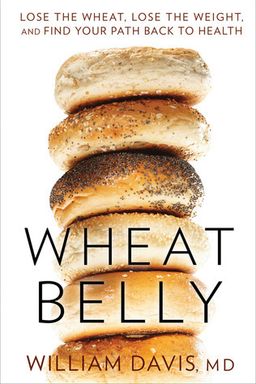
Wheat Belly cover

Wheat Belly

by Dr William Davis

Wheat Belly by Dr. William Davis unveils the hidden dangers of modern wheat consumption on our health. From weight gain to mental health, this book explores the scientific research behind wheat''s detrimental effects and advocates for a wheat-free lifestyle to restore health and vitality.

The Modern Wheat Paradox

Can the food we’ve trusted for millennia suddenly turn against us? In Wheat Belly Cookbook, Dr. William Davis argues that what we now call “wheat” is not the same plant it once was. Through decades of aggressive breeding and chemical mutagenesis, the humble grain has been transformed into what he provocatively calls “Frankengrain”—a genetically altered crop designed for yield, not for human compatibility. The book unfolds as both an exposé and a practical guide: it reveals the biochemical consequences of modern wheat and offers strategies to rebuild your diet and kitchen around safer, lower-glycemic foods.

A grain re-engineered for yield, not health

Davis traces wheat’s transformation to the mid-20th century efforts of Dr. Norman Borlaug and others striving to prevent famine. Their success produced the semi-dwarf, high-yield strains that now dominate global agriculture. This new wheat—created through hybridization, mutagenesis with x-rays, and chemical exposure—differs genetically from its ancestors. Its 42-chromosome hexaploid genome (A+B+D) encodes hundreds of novel proteins unseen in ancient einkorn or emmer wheat. Clearfield wheat, developed using sodium azide mutagenesis, and the adoption of Rht “reduced height” genes for dwarf stalks helped multiply global yield tenfold but also introduced unpredictable new biochemistry to the human food chain.

From grain to gut — a cascade of biological changes

So what changed for you? Modern wheat now carries new gliadin fragments, lectins like wheat germ agglutinin (WGA), and modified starches like amylopectin A. Each plays a role in Davis’s argument. Gliadin, a portion of gluten, produces opioid-like peptides called exorphins during digestion—compounds that bind to brain receptors and drive appetite. WGA resists cooking and digestion, binds to the intestinal wall, and opens microscopic leaks that spread inflammatory reactions systemically. Amylopectin A, the starch form in modern wheat, spikes blood sugar faster than table sugar. Together, these biochemical actors explain why the “staff of life” may now behave as an obesogenic, inflammatory agent rather than a neutral carbohydrate.

The symptoms and diseases that follow

The book connects these molecular differences to recognizable symptoms—a constellation Davis calls the “wheat effect.” Think abdominal fat, fatigue, cognitive fog, joint pain, skin breakouts, and digestive distress. Many of these appear even in people without celiac disease; up to 10% may still react immunologically to gliadin or WGA. He highlights neurological syndromes like cerebellar ataxia, peripheral neuropathy, and even temporal lobe seizures improving after wheat removal. Similar improvements appear in psoriasis, asthma, and rheumatoid arthritis, suggesting wheat’s proteins may act as immune irritants beyond the gut.

Withdrawal and revival — the journey of “wheatlessness”

Eliminating wheat, Davis warns, can trigger temporary withdrawal—the body adjusting as gliadin-driven exorphins vanish. You may feel cravings, irritability or low mood for several days. But what follows, says Davis, is striking: reduced appetite (~400 fewer daily calories on average), rapid waistline contraction, clearer skin, calmer digestion, and sometimes resolution of chronic inflammatory symptoms. Once people cross the withdrawal hump, many vow never to return to wheat.

Rebuilding your kitchen and palate

The cookbook half of the text translates the science into practice—showing you how to replace wheat-based staples with almond flour, flaxseed meal, chickpea flour, and coconut flour. Instead of refined starches, these flours supply fiber, protein and healthy fats. Savory dishes rely on coconut milk or ground nuts for thickening, while shirataki noodles and cauliflower rice replace pasta and grains. Sweet recipes use xylitol or stevia instead of sugar, and crusts form from ground nuts instead of flour. Davis’s point isn’t deprivation—it’s reconstruction: once you learn these techniques, wheat-free cooking becomes creative and satisfying.

From exposure to empowerment

What begins as a critique of an agricultural revolution ends as a health manual. Davis’s thesis links global yield success with a hidden human cost—the rise of obesity, diabetes, and inflammation paralleling wheat’s mid-century redesign. Yet he provides a way out: education, label literacy, and kitchen skills that let you reclaim metabolic stability and pleasure in eating. In essence, Wheat Belly Cookbook combines scientific reasoning with lived experience to suggest that rejecting modern wheat may restore a spectrum of physical and psychological well-being.

Key takeaway

Wheat is not static—it’s a biochemical variable shaped by decades of intervention. Understanding its new properties lets you make smarter dietary choices, reconfigure your kitchen, and recover energy, clarity and health once thought lost.


Frankengrain: The Hidden Engineering

Modern wheat is the product of twentieth-century agricultural triumphs and human blind spots. Through semi-dwarf breeding, chemical mutagenesis and shuttle hybridization, researchers produced crops like Norin 10–Brevor 14 hybrids that multiplied yield but introduced untested proteins into the human diet. Davis calls this the birth of 'Frankengrain'—not as an insult but as a warning that hybrid vigor came at the cost of genomic predictability.

How the transformation happened

Before genetic engineering, breeders used radiation and chemical mutagens to induce random mutations. Sodium azide and x‑rays created wheat strains with novel herbicide resistance, dwarf stalks and altered carbohydrate composition. These crops were evaluated for yield and baking properties, not human biochemistry. The D-genome (one of wheat’s three genetic subunits) absorbed many such mutations, encoding unfamiliar glutenins and gliadins—proteins central to gluten’s elasticity but potentially foreign to human immunity. (Note: earlier ancient grains like einkorn and spelt contain simpler protein structures and generally provoke fewer immune responses.)

From heroic agriculture to unintended experiment

Agronomically, this was a triumph: famine prevention and food surplus. But Davis reframes it as a grand experiment with the global population as participants. The unchecked introduction of new proteins coincided with a rise in autoimmune and metabolic disorders—a pattern not proof of causation but a worrying correlation. The message for you is simple: wheat isn’t monolithic. The grain used in modern bread has genomic differences that matter for digestion and immune signaling.

Consequences beyond the field

Yield-oriented breeding prioritized plant physiology—shorter stems, heavier seeds—over human compatibility. As those new proteins entered the food supply, they began interacting with your gut lining and nervous system in surprising ways. Modern gliadin, for instance, triggers opioid-like responses that older wheat did not. WGA binds to intestinal cells more aggressively. New alpha-amylase inhibitors and altered starches create allergenic and glycemic challenges. Davis views these as biological side effects of a purely agricultural optimization process.

Core message

When yield becomes the sole design objective, biology becomes collateral damage. Understanding how wheat evolved from plant to industrial commodity explains why your body may now respond to it as an irritant rather than nourishment.


Gliadin and Wheat's Opioid Effect

One of Davis’s most startling claims is that wheat stimulates appetite through an opioid-like mechanism. When you digest gliadin—a subset of gluten—it produces exorphins, peptides that attach to opioid receptors in your brain. The result isn’t intoxication; it’s increased hunger and a feedback loop pushing you to eat more.

The science of exorphins

Gliadin fragments called gliadorphins and gluteomorphins have been shown in lab studies to bind mu-opioid receptors, similar to morphine. When these fragments circulate, they trigger reward and craving pathways—the same ones drug researchers monitor. Experiments using opioid blockers like naloxone or naltrexone reduce food intake by several hundred calories per day, reinforcing the connection between wheat and increased appetite.

What this means for your body

This mechanism helps explain why wheat products often provoke cravings: that muffin or bagel doesn’t simply fill you—it encourages you to seek more. Davis correlates wheat exposure with a roughly 418–440 daily calorie surplus across populations, paralleling obesity rates since the widespread adoption of modern wheat in the 1980s. Removing wheat typically reduces appetite spontaneously by about the same margin, producing effortless caloric deficit and fat loss, centered around the abdomen.

Withdrawal and behavioral evidence

When you remove wheat, the disappearance of gliadin-derived exorphins can cause mild withdrawal: cravings, fatigue and irritability lasting 2–7 days. Davis interprets these symptoms as confirmation that the brain is adjusting to the absence of opioid stimulation. Once through withdrawal, most individuals report longer satiety and reduced obsession with food decisions—a stabilization that underpins the program’s sustainability.

Key insight

Wheat affects the brain not only through nutrients but through neuromodulators. Understanding the gliadin–exorphin pathway gives you a neurochemical reason why elimination can dramatically quiet appetite and stabilize eating behavior.


Lectins, WGA and Inflammation

Beyond gluten itself, Davis draws attention to another culprit: lectins, and especially wheat germ agglutinin (WGA). These plant-defense proteins evolved to repel pests but can disturb the human digestive lining. WGA survives heat and digestion intact and binds directly to intestinal cells—opening microscopic breaches in the gut that allow foreign molecules into your bloodstream.

How lectins work

Lectins latch onto sugar molecules on the surface of your intestinal cells, disrupting microvilli and increasing permeability (“leaky gut”). WGA is unusually resistant; boiling or baking doesn’t neutralize it. Once inside circulation, it triggers inflammatory cascades that can affect joints, skin and even the brain. WGA also mimics certain human hormonal proteins, possibly amplifying insulin’s fat-storing effects in adipose tissue.

Systemic effects you can feel

People with inflammatory or autoimmune diseases often report remission of symptoms when wheat is eliminated. Rheumatoid arthritis and psoriasis improvements may reflect reduced WGA exposure. Davis also notes cross-reactivity with latex allergens due to similar hevein-like protein sequences. Other proteins in modern wheat, such as alpha-amylase inhibitors, are tied to baker’s asthma and exercise-induced anaphylaxis, showing wheat’s impact extends far beyond typical digestion.

What elimination teaches us

When you remove wheat, your intestinal permeability gradually decreases, calming immune signaling and systemic inflammation. This process can manifest as clearer skin, reduced joint swelling, and steadier energy. It demonstrates that the gut barrier is both a site of vulnerability and a lever for whole-body wellness.

Lesson

Lectins remind you that not every plant compound is benign. Modern wheat’s WGA acts more like a biological irritant than a nutrient, and reducing exposure offers one of the fastest paths toward lowering inflammation naturally.


Amylopectin A and Blood Sugar

Although wheat is often portrayed as a wholesome complex carbohydrate, its starch composition tells a different story. Modern wheat’s dominant starch fraction, amylopectin A, digests rapidly and causes steep blood sugar spikes—often higher than those caused by table sugar. Davis uses glycemic index comparisons to illustrate this paradox.

Understanding the glycemic surprise

Two slices of whole-wheat bread can reach a glycemic index of 72, while sucrose registers around 59–65. This means your bloodstream experiences larger glucose and insulin surges from “healthy” bread than from cane sugar. Repeated exposure produces insulin resistance—your cells gradually stop responding effectively, forcing higher insulin levels that store fat around the midsection.

The bigger metabolic picture

Insulin resistance drives the formation of visceral (abdominal) fat and triggers systemic inflammation. This fat, in turn, releases cytokines that worsen metabolic dysfunction—raising triglycerides, blood pressure, and cardiovascular risk. Davis emphasizes that eliminating wheat cuts one of the leading contributors to postprandial hyperglycemia and begins reversing this vicious cycle.

Population-level parallels

The timing is telling: high-yield modern wheat became dominant in the late 1970s and early 1980s—the same decades obesity and diabetes climbed sharply. While multiple factors drove these epidemics, Davis correlates wheat’s adoption and gliadin-driven appetite stimulation with a rise of roughly 440 calories per capita per day.

Practical insight

Choosing carbohydrates by glycemic behavior rather than marketing label changes your metabolic destiny. Amylopectin A explains why “whole grain” can still act like sugar—and why removing wheat often normalizes blood glucose faster than any other single adjustment.


The Neurological and Systemic Fallout

Wheat’s reach extends beyond digestion. Davis catalogues neurological, dermatological, and autoimmune manifestations linked to wheat exposure—conditions often missed because they occur without classic intestinal symptoms. His case studies and cited research highlight wheat’s capacity to affect brain, skin, lungs and joints.

Hidden neurological links

Gluten-related antibodies have been detected in patients with cerebellar ataxia, peripheral neuropathy and even temporal lobe epilepsy. Some of these people lack intestinal celiac findings, meaning their neurological symptoms are the chief manifestation. Davis references autopsies showing gluten-related inflammatory indicators in brain tissue, suggesting that wheat sensitivity may masquerade as cognitive decline or mood disorder.

Immune genetics and broader sensitivity

While celiac disease affects about 1%, up to 30% of people carry HLA-DQ2 or DQ8 genes that predispose to wheat-triggered immune activation. Even those without biopsy-proven celiac may develop IgG antigliadin antibody responses, confirming a wider continuum of reactivity. This continuum reshapes how you think about 'safe wheat exposure'—it varies far more than labeling suggests.

Systemic manifestations and recovery

Skin diseases (psoriasis, seborrhoea, eczema) and lung issues (asthma, chronic sinusitis) often subside over weeks of wheat avoidance. Joint inflammation and conditions like lupus may also quiet. Davis encourages self-experimentation because symptom improvement can offer diagnostic clues even when lab tests lag behind.

Key reflection

Wheat affects diverse organs through immune and inflammatory cross-talk. Its removal can unravel chronic multisystem complaints, making dietary change a diagnostic tool as well as therapy.


Rebuilding Health Through Wheatlessness

“Wheatlessness” is Davis’s coined term for a body freed from modern wheat exposure. The transition often begins with discomfort but culminates in visible and measurable recovery. This stage transforms the book’s scientific arguments into lived, motivational proof.

What withdrawal teaches you

Around 35–40% of people experience mild withdrawal after elimination: fatigue, irritability, cravings or digestive fluctuation lasting days. These effects parallel an opioid adjustment period—the body recalibrating its neurotransmitter balance. Yet the rebound is powerful: appetite drops sharply, caloric intake falls naturally, and sleep quality improves.

Early wins and visible change

Within a week, bloating and reflux often vanish; within a month, waist circumference declines by 2–3 inches. After six months, average weight loss reaches around 26 pounds. The stories Davis compiles—Bob dropping over five stone, Elana reclaiming sleep and skin health—illustrate the pattern. People with diabetes must adjust medications promptly to avoid hypoglycemia, as blood sugar normalizes quickly.

Why it endures

The motivation becomes self-reinforcing: once symptoms improve, re-exposure produces pronounced negative reactions, discouraging relapse. In Davis’s view, wheatlessness leads to a metabolic reset—the body’s signaling systems quiet, appetite stabilizes, and inflammation diminishes. Rather than a diet, it’s an identity shift in how you interact with food.

Transformation insight

The withdrawal phase reveals wheat’s neurological imprint. The recovery phase proves the body’s adaptability. Together they demonstrate how removing one food can catalyze multi-system healing.


Building a Wheat-Free Kitchen

Davis moves from theory to practice by redesigning your kitchen. Wheat-free living succeeds not through mere avoidance but by substitution—learning new ingredients, textures and cooking habits. This section of the book functions as a manual for sustainable implementation.

Your ingredient foundation

Start with flours: almond (the foundational base for breads), flaxseed (binder and fiber), chickpea (savory body), and coconut (thickener). Davis warns against commercial 'gluten-free' flours heavy in rice or tapioca starch; they raise glycemic levels similar to wheat. Favorite oils include coconut, avocado and olive; sweeteners are xylitol and stevia for low impact. Store flours refrigerated to preserve fat integrity. Buying whole nuts and grinding them saves cost and keeps freshness.

Kitchen setup and tools

Essential equipment includes a food processor, hand mixer, parchment paper, microwave and oven tools. You’ll need these for recipes like Basic Bread, Pizza Base I (almond and mozzarella crust), and Flaxseed Wraps. Davis’s techniques replicate gluten’s elasticity using egg whites and melted cheese instead of gluten networks—a practical chemistry in your own kitchen.

Savoury comfort and desserts

He revisits starch-heavy classics—soups, stews, pastas—using coconut flour, nut thickeners, and shirataki noodles. Desserts follow similar logic: nut crusts, coconut fillings, xylitol or stevia sweetness. Conversion notes ensure correct texture even when bulk sweeteners are omitted. The message: flavor and satisfaction remain, only the ingredients change.

Practical takeaway

Building a wheat-free kitchen isn’t about deprivation—it’s culinary reinvention. Once your pantry holds almond, flax and coconut flour, your cooking potential expands, not shrinks.


Living Wheat-Free in the Modern World

Avoiding wheat isn’t just about flour. It’s a navigation challenge in the modern marketplace. Davis’s appendices teach you to decode labels, identify hidden sources of gluten, and manage cross-contamination risks—skills that turn avoidance into a lifestyle you can sustain.

Reading between the ingredients

'Wheat-free' doesn’t always mean 'gluten-free.' Barley, rye and contaminated oats can still contain gluten peptides. You must learn ingredient aliases: modified food starch, maltodextrin, hydrolyzed vegetable protein, caramel coloring and roux may conceal wheat derivatives. Davis recommends keeping vigilance especially with sauces and processed snacks—soy sauce, gravies, salad dressings and flavored chips are frequent offenders.

Managing exposure outside the home

Restaurants rarely maintain separate preparation areas. Shared fryers or cutting surfaces often reintroduce trace gluten. Davis advises clear questioning: ask about soy sauce type, fryer sharing, and dedicated gluten-free stations. When in doubt, choose single-ingredient meals—grilled fish, steamed vegetables—to minimize uncertainty.

Beyond food labels

Hidden wheat can appear in medications, cosmetics, even adhesive glues. For highly sensitive individuals, these non-food exposures matter. Davis’s lists in Appendix A give you the vocabulary to interrogate manufacturers and keep control over what enters your body.

Lifestyle message

Knowledge is defense. Label literacy, restaurant caution and a stocked wheat-free kitchen allow you to transform a dietary choice into everyday normalcy.


Real People, Real Results

Throughout the cookbook, Davis interlaces science with real-world testimony. The transformations are vivid: people report rapid healing from chronic indigestion, skin flare-ups, mental fog and weight problems after cutting wheat. These stories function not as data sets but as lived evidence of the theory’s practical truth.

Typical outcomes

Common patterns include fast bloat reduction, clearer skin, stabilized mood and energy, improved joint mobility, and substantial weight loss. Kaylana from Latvia saw her son’s stuttering vanish in days and psoriasis fade; Marilyn (62) lost chronic indigestion within a week; Rick eliminated blood-pressure medication after losing over three stone.

Connecting stories to mechanisms

Each improvement maps onto the book’s biochemical claims: less gliadin means fewer appetite surges; less WGA means lower inflammation; less amylopectin A means better glycemic control. These stories show the theory in action—every home kitchen becomes a physiology lab.

Sustaining success

Results arrive quickly but persist through habit. Davis emphasizes continuous cooking practice using stable low-carb flours and sweeteners instead of relying on processed 'gluten-free' products. Consistency turns initial relief into lasting wellness.

Final insight

Real-world success stories remind you that this lifestyle isn’t theoretical. With practical cooking skills and label awareness, the shift from wheat exposure to vitality becomes achievable for anyone.

Dig Deeper

Get personalized prompts to apply these lessons to your life and deepen your understanding.

Go Deeper

Get the Full Experience

Download Insight Books for AI-powered reflections, quizzes, and more.