
Idea 1
What Unites Us: Patriotism as a Living Practice
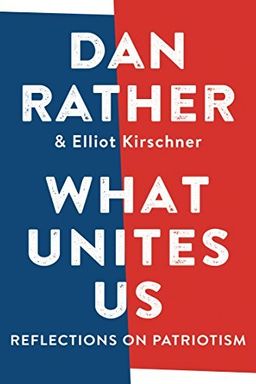
What does it mean to love your country—and do so responsibly? In What Unites Us: Reflections on Patriotism, veteran journalist Dan Rather and co-author Elliot Kirschner explore the moral core of American identity. Rather argues that patriotism isn’t about blind allegiance or fear-fueled nationalism; instead, it is a living practice—an act of courage, empathy, and engagement with the perpetual work of democracy. The American experiment, he insists, is unfinished and always will be.
Through personal anecdotes from his eight decades of reporting and reflection, Rather returns us to first principles: the values that formed the Republic and the ways they’ve been tested—by war, injustice, greed, and ignorance—but also reaffirmed through courage, fairness, and what he calls “the steady heart of a nation.”
Patriotism as Dialogue, Not Superiority
Rather makes a clear distinction between patriotism and nationalism. The former is a dialogue—a conversation with one’s country that acknowledges both pride and fault. The latter is a monologue rooted in arrogance and domination. True patriotism, he says, is about striving to make America better, not asserting its infallibility. In times of crisis, such as after 9/11, this distinction becomes crucial. We can love deeply while questioning fiercely. The danger arises when flag pins and slogans replace civic responsibility and empathy.
Freedom and Accountability
Freedom, in Rather’s view, is both a gift and a duty. It demands citizens who think critically, participate actively, and challenge complacency in government and media alike. Drawing on his experiences as a journalist covering civil rights and Watergate, he shows that a free press is not the enemy of the people but their guardian. Censorship and apathy, he warns, can erode liberty faster than any external force. Comparing his times with Orwell’s 1984, he reminds readers that truth survives only if someone insists on telling it.
Community, Empathy, and Inclusion
Much of the book’s emotional force lies in its belief that American greatness depends on our capacity for empathy. Through stories of Depression-era neighbors helping one another, battlefield sacrifices, and modern struggles for equality, Rather paints empathy as political armor against division. He threads this through discussions of inclusion—of women, African Americans, immigrants, and LGBTQ citizens—arguing that progress requires not merely tolerance but genuine connection.
Exploration and Responsibility
Chapters such as “Science,” “The Environment,” and “The Arts” link patriotism with curiosity and stewardship. To Rather, exploration—whether scientific, artistic, or environmental—is central to the American spirit. He sees Apollo astronauts looking back at Earth and notes how the “Earthrise” photograph united humanity in shared fragility. The same spirit must guide how we confront climate change, defend education, and nurture the next generation of thinkers and dreamers.
Character, Courage, and Steadiness
In the latter essays, Rather reflects on aging, failure, and renewal. His mantra—learned from his father—is a single word: steady. True courage, he writes, is continuing forward even when you are afraid—of irrelevance, change, or injustice. From Lincoln’s second inaugural address to Elie Wiesel’s moral clarity, he finds examples of Americans who stayed steady for freedom’s sake. In doing so, he challenges each reader to become both participant and guardian of democracy.
Ultimately, What Unites Us is not nostalgia but a call to action: to treat patriotism as a verb. America’s endurance, Rather suggests, will depend not on the grandeur of its monuments but on whether its citizens choose dignity, realism, and shared purpose over cynicism, silence, and fear. If we speak and listen, question and care, we can still reclaim what unites us.