
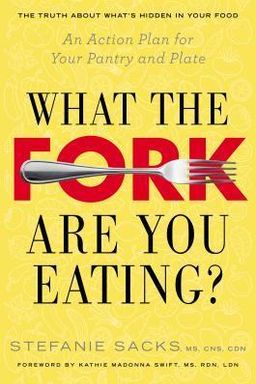
What the Fork Are You Eating cover

What the Fork Are You Eating

by Stefanie Sacks

What the Fork Are You Eating? by Stefanie Sacks uncovers the hidden ingredients in everyday foods and their effects on health. Gain insights into government regulations, additives, and farming practices while learning actionable steps to improve your diet and embrace a healthier lifestyle.

Transforming Your Pantry and Plate

How can you eat well without becoming obsessive? In What the Fork Are You Eating?, Stefanie Sacks argues that lasting food change begins not with diet dogma but with informed moderation. Her central claim is clear: you don’t need to eat perfectly; you need to understand what’s in your food, remove the worst offenders, and make small, sustainable shifts toward whole, transparent ingredients.

This book blends investigative nutrition, consumer advocacy, and hands‑on strategy. It pulls back the curtain on what Sacks calls the Top‑Rated Terminators (TRTs)—the chemical, processing, and agricultural additives that quietly undermine personal and public health. These include preservatives, dyes, flavor enhancers, artificial sweeteners, trans fats, pesticide residues, hormones, antibiotics, and genetically modified organisms. Once you can identify them, you can replace or minimize them intelligently rather than fearfully.

A practical philosophy of change

Sacks takes a pragmatic approach. Her mantra—“moderation is truly my mantra”—defines the book’s tone. She suggests aiming for 90 percent of your meals free from TRTs and allowing the remaining 10 percent for real‑world flexibility. You focus on learning, not perfection. For instance, her “Reaper Rescue Guide” turns your kitchen audit into an achievable plan: list packaged foods, identify their TRTs, and mark them as Keepers, Grim Reapers, or Can’t‑Live‑Withouts. That process transforms vague guilt into clear decisions.

(Note: her approach echoes Michael Pollan’s maxim “Eat food. Not too much. Mostly plants,” but Sacks adds a detailed how-to grounded in label literacy, environmental data, and brand transparency.)

The core argument: awareness beats rule‑following

Most food additives and processes are unknown to ordinary consumers. Industry and regulators use GRAS—“generally recognized as safe”—as a shortcut for safety, but GRAS often depends on industry‑funded studies or outdated evidence. The result is a food system optimized for shelf life and profit, not for health. Sacks’s mission is to shift the power of choice back to you through education.

You learn to identify synthetic preservatives like BHA/BHT, recognize euphemisms for sugar, question ambiguous “natural flavors,” and question label claims that sound wholesome but hide loopholes. Her message: if you can read a label critically and know a few credible certifications (USDA Organic, Non‑GMO Project Verified, Animal Welfare Approved), you can shop smarter without overhauling your life.

The incremental pathway to better eating

Instead of calling for radical change, the book leads you through manageable steps—what Sacks calls “rehabbing your pantry.” You start by replacing the most problematic foods—those packed with trans fats, dyes, and chemical preservatives—with cleaner, simpler versions. Then you develop sustainable shopping habits: choosing fresh produce (especially the organic versions of the EWG Dirty Dozen), buying whole grains, checking ingredient lists instead of marketing slogans, and using trusted apps like EWG’s Food Database and Seafood Watch to verify claims in real time.

Sacks continuously brings readers back to everyday action: clearing pantry shelves, reading certification seals, cooking from scratch, and turning grocery shopping into an act of empowerment. The process is designed to build momentum rather than perfectionism.

The broader impact: health, family, and industry change

Sacks positions food choice not just as self‑care but as a community and environmental act. Each purchase signals what kind of food system you support—one dependent on chemical shortcuts or one grounded in transparency and humane treatment. She connects this to antibiotic resistance, soil health, and biodiversity, demonstrating that even small consumer actions create economic pressure for reform.

And while she encourages personal responsibility, she recognizes systemic limits: organic produce can be expensive, and GMO feed dominates the supply chain. That’s why she teaches “smart targeting”—prioritizing organic for high‑residue produce and animal products, supporting local farms when possible, and understanding trade‑offs such as the palm oil issue (a replacement for banned trans fats that causes deforestation elsewhere).

The takeaway

Sacks’s central idea: you don’t need purity, you need literacy. The power to eat well resides in your ability to navigate marketing, understand what chemicals and claims mean, and make steady, informed improvements. The result is healthier meals, greater confidence, and a family culture built around real food—achieved through curiosity and small consistent steps, not fanaticism.

By book’s end you see that transforming your pantry is also transforming your mindset. You learn to ask before you trust, to value simplicity over slogans, and to align eating with values of health, transparency, and compassion. In Sacks’s words, this shift is not about giving up what you love—it’s about deciding what’s truly worth loving.


Unmasking Top‑Rated Terminators

The foundation of the book is Sacks’s concept of the Top‑Rated Terminators (TRTs)—ingredients and production methods that threaten both personal and environmental health. She categorizes nine main TRTs: chemical preservatives, artificial flavors and enhancers, artificial colors, sweeteners, excess sugar, trans fats, pesticides, antibiotics, hormones, and GMOs. Each one lurks across the modern food supply under technical names you might overlook.

Why TRTs matter

You encounter dozens of these substances daily, most labeled “safe” under outdated or self‑regulated standards. The GRAS system allows manufacturers to introduce additives without long‑term human studies. For instance: BHA/BHT, TBHQ, and propyl gallate are antioxidants that prevent rancidity but have carcinogenic potential in animal studies. Sodium benzoate can turn into benzene with vitamin C; sulfites trigger asthma in sensitive individuals. Sacks’s message is not fear but awareness: industrial convenience often outweighs consumer safety.

Practical ways to reduce exposure

Sacks translates chemistry into daily choices. Begin with obvious swaps: pick canned beans over packaged snacks with hydrogenated oils, read ingredient lists for unpronounceable compounds, and reduce reliance on highly processed items. Use natural antioxidants like vitamin C or E in home cooking. Check labels for “hydrogenated” terms even when products claim “0 g trans fat.” And remember that “natural flavor” is not the same as real fruit—ask what’s behind it.

For every TRT category she provides simpler alternatives, from naturally colored candies to home‑preserved produce. The goal: layer small protections until your kitchen is mostly free of mystery chemicals while still livable.


Inside the Flavor and Color Industry

Few topics reveal the opacity of modern food like flavor and color additives. Sacks describes the flavor sector as a “food CIA”: a handful of corporations synthesize most of the nation’s flavors, both artificial and “natural.” Legally, “natural flavor” need only originate from a plant or animal substance, but the final mix—often dozens of chemical isolates—remains proprietary. As she jokes, even a flavor extracted from cow dung could technically qualify as natural (a real-life example from researcher Mayu Yamamoto).

Hidden MSG and flavor enhancers

MSG (monosodium glutamate) amplifies savory taste and appears under camouflage terms like “hydrolyzed vegetable protein” or “yeast extract.” Though officially approved, many people report headaches or flushing. When eating out, especially at chain restaurants, asking about MSG or flavor enhancers keeps you informed. Sacks isn’t anti‑flavor; she’s pro‑transparency. She recommends brands that flavor naturally—like Annie’s, which relies on real cheese and herbs rather than ambiguous flavor mixes.

Artificial colors and marketer psychology

Color drives craving, particularly in children’s foods. Dyes such as Red No. 40 and Yellow 5 come from petroleum and are linked in research to hyperactivity and allergic reactions. Europe forces warning labels; many U.S. products still rely on them. You can switch to naturally hued snacks colored with beet or turmeric extract. Sacks notes reformulated versions abroad (Nestlé, Kraft) show that change is technologically possible—it’s simply consumer demand that’s lagged behind in the U.S.

Takeaway

If a label says “flavor” or “color” without detail, treat it as a black box. Prefer whole food sources of flavor—herbs, spices, fruit—and buy brands that use transparency as a selling point. Artificial brightness and engineered taste are marketing devices, not nutritional assets.


Sweeteners, Sugar, and Taste Reset

Our collective sweet tooth fuels one of the book’s most practical chapters. Sacks shows how manufacturers hide sugar behind dozens of alias names—cane juice crystals, maltodextrin, agave, high‑fructose corn syrup—making it hard to calculate true intake. Whether derived from cane, beet, or corn, excess added sugar drives obesity and metabolic syndrome. Even “organic” confections can pack stealth sugar loads.

Artificial sweeteners: substitutes with strings attached

Seeking fewer calories, consumers often switch to diet alternatives—saccharin, aspartame, sucralose, acesulfame‑K—but safety debates persist. Sacks references aspartame’s tumor studies and sucralose’s animal research suggesting DNA impacts. Emerging replacements like erythritol or monk fruit offer promise but still warrant moderation. Her rule: “limit, don’t transfer.” Replace intensity with retraining your palate to enjoy natural sweetness from fruit or honey in small doses.

Sugar moderation strategies

She recommends aiming for the American Heart Association guideline—about 24 grams for women, 36 for men per day. You can achieve this by reading labels, diluting sweet beverages, and cooking at home. For instance, making “Golicious Granola” cuts sweetener content in half versus store‑bought cereal. Over time, taste buds recalibrate and you crave less. The objective isn’t abstinence; it’s balance through awareness.

The broader point: reducing sweetness normalizes appetite control and helps kids avoid hyperactivity spikes and emotional dependence on sugary rewards.


Fats, Frying, and the Trans Fat Legacy

Sacks treats trans fats as both chemistry and cautionary tale. Hydrogenation—developed to solidify vegetable oil—created inexpensive substitutes like Crisco and margarine but also cardiovascular havoc. Once epidemiology linked trans fats to heart disease, the FDA began phasing out partially hydrogenated oils. Yet labeling loopholes persist: any serving under 0.5 g can legally claim “0 g trans fat.”

Reading between the lines

You must scan the ingredient list itself for “hydrogenated” keywords. Sacks points out that even products boasting health halos—some crackers or microwave popcorn—may contain trace amounts. Choose minimally processed butter, olive oil, or coconut oil instead. Beware that replacements like palm oil carry ecological downsides—mass deforestation—so weigh ethics alongside health.

Her final lesson

Once science and activism forced trans fat regulation, the industry adapted. Consumers can replicate that progress by continuing to demand transparency and responsible sourcing. “Fixing one problem shouldn’t cause another,” she notes, urging sustainable fats over quick industrial fixes.

Her advice distills to this: natural, moderate fats are not the enemy—secrecy and industrial excess are.


Farm Chemicals, Antibiotics, and Hormones

The book widens its lens beyond processed food to the farms supplying it. Pesticides, antibiotics, and hormones shape what reaches your plate. Sacks explains that the Environmental Working Group’s Dirty Dozen (apples, strawberries, grapes, celery, and others) guide helps you decide where organic purchases matter most. Conventional residue testing exists, but cumulative exposure remains a concern.

Meat and antibiotic resistance

Modern feedlots often administer low‑dose antibiotics daily to prevent disease, speeding resistance in bacteria that move from farm to humans. The CDC estimates millions of resistant infections yearly. Buying organic or certified humane meat helps reduce this demand loop. Certification programs like Animal Welfare Approved and Certified Humane verify that animals were raised without routine drugs or growth hormones.

Hormones, environmental ripple effects

Growth hormones in beef and dairy—such as rBGH—raise production but may affect hormonal balance and cancer risks. These compounds also wash into waterways, influencing ecosystems. Sacks underscores that ractopamine use in pork, banned abroad, continues in U.S. agriculture, illustrating both regulatory lag and export hypocrisy. Conscious consumption—favoring rBGH‑free, certified milk or grass‑fed beef—pushes farms toward safer standards.

In short, agricultural TRTs embody the link between human health and planetary health. What protects soil and animals ultimately protects you.


The GMO and Label Literacy Revolution

Genetically modified organisms confront consumers with invisible complexity. Most U.S. corn, soy, canola, sugar beets, and cotton are genetically engineered. Their derivatives—maltodextrin, soy isolates, HFCS—appear in thousands of packaged goods, often unlabeled. Sacks doesn’t claim all GMOs are inherently harmful; she emphasizes that their associated pesticide—glyphosate—drives environmental and health debates. Roundup Ready systems foster resistant weeds and heavy chemical use, raising questions about long‑term ecosystem safety.

Navigating confusing labels

Marketing often obscures reality. Terms like “natural” carry no legal rigor, and “no hormones added” can mislead (poultry can’t legally receive hormones anyway). Learning which seals have integrity becomes crucial: USDA Organic, Non‑GMO Project, Animal Welfare Approved, Certified Humane, American Grassfed Association, Rainforest Alliance, and Seafood Watch each address different aspects of quality and ethics.

Tools of empowerment

Sacks teaches “label literacy” through mobile databases and checklists. Her Pantry Rehab Checklist helps you categorize items: Keepers, Grim Reapers, or Can’t‑Live‑Withouts. Apps like the EWG Food Database and the Non‑GMO Project shopping guide act as pocket advocates. The key insight: labels are tools, not promises. Even verified seals require cross‑checking, but they dramatically reduce the guesswork in modern food shopping.

Mastering these tools transforms frustration into empowerment—your groceries align with your values, dollar by dollar.


From Pantry Rehab to Lifestyle Change

After exposing the system, Sacks walks you through personal transformation. Pantry Rehab is both symbolic and tactical: clean, label, and restock. The ritual of discarding processed snacks, organizing staples, and donating unopened goods (she recommends SuperFood Drive) marks a new relationship with food. Her method—decluttering shelves, labeling jars, storing visible whole foods—brings mindfulness into your daily environment.

The Reaper Rescue Guide

This worksheet‑style tool helps you identify each item’s role in your diet. You plan specific replacements rather than vague resolutions. Prefer Simply Delish gelatin to Jell‑O with artificial dyes, or Earth Balance over hydrogenated margarine. If quitting an item entirely feels impossible, halve usage gradually. The idea is progress without self‑punishment—each substitution builds confidence.

Mindset and family buy‑in

Sacks extends her pragmatic compassion to households. She suggests creating a “sacred cabinet” for parents’ or kids’ chosen treats to preserve autonomy. For children, you guide options but avoid coercion—exposure and participation beat pressure. Interactive games like the Supermarket Scavenger Hunt and blind Taste‑Testing Experiments turn change into discovery. Her real‑life example of her son refusing a dye‑filled yogurt after testing alternatives embodies education over imposition.

Key Lesson

Long‑term success comes from attitude, not absolutism. Transform the food environment, make learning shared and fun, and your household adjusts naturally. Compassion and curiosity are more effective than rules alone.


Cooking as Everyday Empowerment

At the book’s finale Sacks reminds you that reclaiming the kitchen is reclaiming agency. Her “Recipe Rehab” proves that better eating doesn’t require luxury gadgets or chef training. A few essentials—a sturdy knife, quality skillet, and a blender—transform cooking into self‑defense against processed foods. She advises avoiding Teflon‑style coatings and keeping wood or bamboo boards well maintained for safety.

Learning flavor by cooking

Cooking from scratch lets you replace industrial flavor engineering with real culinary chemistry: browning vegetables for umami, blending “fuices” (fruit‑veggie juices) for natural sweetness, and seasoning with herbs. Recipes like Kale Ratatouille or Skillet Broccoli prove nourishment and pleasure coexist. By preparing three nights weekly and batch cooking staples on off‑days, you stay ahead of convenience cravings.

The kitchen mindset

Sacks views cooking as mindfulness in motion. Each home‑cooked meal shortens your ingredient list, strengthens family connection, and builds resistance to marketing manipulation. Mistakes don’t matter—intent and repetition do. Over time, you perceive processed foods as dull imitations.

Final insight

Cooking isn’t about perfection—it’s an act of reclaiming control. Each time you sauté, roast, or blend, you practice informed independence from the food industry’s shortcuts. That, ultimately, is what the fork is for.

Dig Deeper

Get personalized prompts to apply these lessons to your life and deepen your understanding.

Go Deeper

Get the Full Experience

Download Insight Books for AI-powered reflections, quizzes, and more.