
Idea 1
Running as a Metaphor for Life and Art
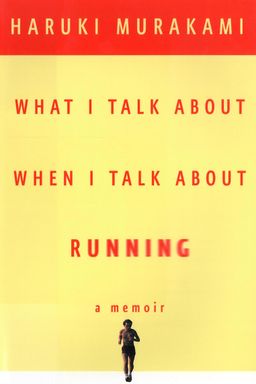
Have you ever repeated a daily ritual—say running, writing, or meditating—long enough to discover that it reshapes who you are? In What I Talk About When I Talk About Running, Haruki Murakami transforms the endurance and rhythm of long-distance running into a lens through which he explores the act of writing, aging, solitude, and self-understanding. The book is less a manual on fitness and more a philosophical memoir on persistence and identity. Murakami contends that the act of running mirrors the discipline required for writing and for living a meaningful life: pain is inevitable, but suffering is optional.
The Philosophy of Motion
For Murakami, running is a daily meditation. He began running seriously in 1982, around the time he decided to quit his bar business and write full-time. Each run became a ritual of cleansing and focus—his way of ordering chaos. He writes, “I run in order to acquire a void.” That void, paradoxically, isn’t emptiness but a space for clarity. He finds that through motion—step by step, breath by breath—he can confront solitude and transform it into insight. This discipline, he argues, runs parallel to the art of writing fiction, which also demands the same patience, rhythm, and acceptance of long-term effort over immediate reward.
Pain Is Inevitable, Suffering Is Optional
One of the most famous lines from the book originates from a marathon runner’s mantra that Murakami adopts: “Pain is inevitable. Suffering is optional.” This simple distinction encapsulates his worldview. Whether in running or writing, every person faces pain—fatigue, mistakes, loss, rejection. But suffering, he says, is the internal negotiation of that pain: choosing how we respond to it. Running taught him that effort and discomfort are constants, and real mastery lies in enduring them without complaint. Like Buddhist philosophy or stoic wisdom, Murakami’s lesson is that transcendence comes from acceptance rather than avoidance.
Running, Writing, and the Long Game
Murakami directly links the physical endurance of long-distance running to the mental endurance of writing. Both are lonely endeavors, with progress measured “mile by mile” or “page by page.” He explains that, for most of his novels—including Norwegian Wood or Kafka on the Shore—his writing routine mimics his running schedule: early mornings of steady work, a fixed rhythm, an unwavering focus. He argues that like marathon pacing, writing demands sustained concentration and perseverance—a quiet commitment that outweighs talent. In this respect, his view recalls other creative endurance writers such as Ernest Hemingway, who stopped writing each day “while he still had something to say.” For Murakami, the ability to maintain steady momentum is the essence of success.
The Mirror of Solitude
Murakami often runs alone, not to escape others, but to confront himself. He admits to being solitary by nature—someone who prefers reading and music to social gatherings. Through running, he cultivates a quiet space where thoughts and memories surface without judgment. He compares his thoughts in motion to “clouds floating in the sky.” They come and go, while the sky—the self—remains unchanged. This solitude allows him to recharge creatively and emotionally, countering the corrosive isolation that artistic work can bring. The run becomes a balanced solitude: introspective, not lonely.
Aging and Acceptance
As Murakami ages, his experience of running changes. Early in his career, he sought improvement—better times, longer distances. Yet eventually he realizes that aging imposes limits that no discipline can erase. His pace slows, his body tires more easily, and he faces what he calls “runner’s blues.” But rather than despair, he learns to accept decline as part of the rhythm of life. He reflects that growing older, like running slower, is a privilege of endurance: “One of the privileges given to those who’ve avoided dying young is the blessed right to grow old.” This insight connects his philosophy of running with acceptance—a recurring theme in his fiction.
Running as a Moral Compass
Ultimately, Murakami’s memoir teaches that the simple, repetitive motion of running can reflect a moral geometry of life. He writes not to persuade anyone to run, but to reveal what running does for him: it anchors his internal compass and keeps him honest. Each mile on the road is an act of discipline and humility, confronting his limitations while strengthening his resolve. Through running—and its metaphors—Murakami explores universal questions: How do we endure pain? How do we live authentically? How do we create beauty through effort? His answer: by committing to the long run, both literally and figuratively, with quiet, sustained effort and a touch of grace.