
Idea 1
Food As Life’s Anchor Through One Unruly Year
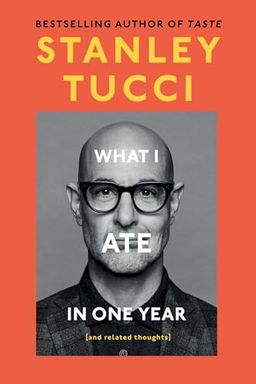
When your days speed up, what keeps you grounded? In What I Ate In One Year, Stanley Tucci argues—quietly but firmly—that food is the steadiest anchor available: a daily practice, a way to measure time, a salve for grief, a language for love, and a map for meaning. He contends that how and what you eat reveals who you are (echoing Brillat-Savarin’s epigraph), and that tracking meals across a year exposes the deeper story of a life: work and waiting, illness and recovery, friendship and family, generosity and craft.
Built as dated entries from January to December, the book reads like a culinary journal crossed with a travelogue and backstage memoir. You shadow Tucci from a spartan flat in Rome (where he’s filming Conclave) to family tables in London, the Cotswolds, and Florida; from Dublin tapas to Dingle Guinness; from a Lake Como lunch to a UNHCR field visit in Moldova; from charity dining rooms to chaotic airport lounges. The thread tying it all together: what he cooks or orders, how it tastes, the people at the table, and what those plates unlock—memories, arguments, jokes, and jolts of meaning.
A Year Measured In Meals
January opens in Rome with discomfort—an architect’s “high-concept” apartment that’s all edge and no solace, and on-set catering that’s “really. Dreadful.” The solution is simplicity: a pot of tomato sauce for the week; minestrone ferried in Tupperware to the cold soundstages of Cinecittà; humble tuna-and-bean salads and a saving espresso. Nights bring the city’s consolations: carciofi alla romana at Checchino dal 1887; the prayerful singing nuns of L’Eau Vive serving canard à l’orange; an ox-tongue sandwich at Circoletto thrust upon him by tattooed brothers too delighted to take no for an answer.
By spring he’s toggling between red carpets and rice pots: pan-searing cod alla livornese in his London kitchen one night; hyper-decanting wine in a blender with Richard Madden the next; cooking with his kids between junkets for Citadel; and sharpening his belief that restaurants should be confident and unfussy—unlike the places that “push” hard for recognition (he likens overworked food to an actor pushing a performance). Summer expands the circle: grilling sea bass and spaghetti with Tropea onions for friends; staging sprawling cottage holidays where tennis, naps, and simmering sauces set the day’s rhythm; and a transportive 24 hours at Guy Ritchie’s estate where a turbot becomes a masterclass in heat, timing, and the joy of eating with your hands by firelight.
What Tucci Is Really Arguing
Under the recipes and restaurant notes sit several convictions. First, simplicity is the highest culinary virtue. Carciofi, carbonara, or stracciatella need judicious touch, not reinvention; restraint lets ingredients—and the eater—breathe. Second, meals build the social world: they heal grief, renew friendships, and knit blended families. Third, craft matters—in kitchens and on sets. He praises directors who rehearse thoughtfully, like Edward Berger on Conclave, and chefs who make seasoned decisions that look effortless (compare his delight at Sabor’s tapas or Quo Vadis’s smoked-eel sandwich). Fourth, dignity and access to food are moral issues. His work with the Trussell Trust and UNHCR shows a paradox: we’ve never grown and moved food at this scale, and yet hunger is rising. Finally, time is always at the table: aging parents, kids’ quicksilver growth, anniversaries, funerals, and a gnawing awareness of finitude—made sharper by his past cancer and a COVID scare that briefly stole taste and smell.
Why This Matters To You
You don’t need to be a movie star to recognize the truth here: life is full of delays, detours, and airport buffets. What rescues the ordinary day is attention—to an egg done well, a broth that smells like home, a quick pasta that turns a tired evening into ceremony. Tucci’s small rituals—saving pasta water, seasoning with restraint, letting heat and time do the work—are practical techniques that double as a worldview: keep things simple; shop local; avoid fuss; feed others; and remember that tastes are a memory device. (Readers of Nigel Slater’s Kitchen Diaries will feel at home; fans of Anthony Bourdain will recognize the insistence on place and people over plate decoration.)
What You’ll Learn In This Summary
We’ll start with Tucci’s culinary minimalism—why restraint is a skill and how soup and eggs become life philosophies. We’ll move to family tables and the choreography of blended kinship, then travel through Rome, Dublin, Dingle, Como, and Moldova to see how place flavors appetite. We’ll examine the parallels between cooking and acting; look squarely at illness, taste, and resilience; consider food ethics and generosity; and end with tools, spaces, and rituals—from his Italian-made cookware to pizza-oven lessons and plans for an orchard. Along the way you’ll pick up techniques (from cod alla livornese to pesto mortar-work), but more importantly, a pattern for living: build your days around meals that respect ingredients, time, and the people you love.
A Year’s Thesis, In One Line
“Sharing food is one of the purest human acts.” In Tucci’s hands, that act becomes a daily art form resilient enough to hold grief, joy, work, and wonder.