
Idea 1
Decoding Angel Investing: How to Win Smart Funding
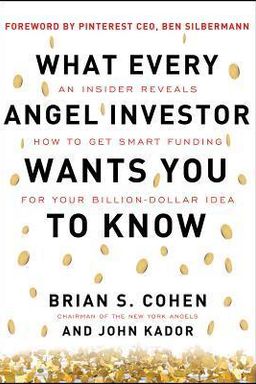
How can you turn a promising idea into an investment magnet that draws the right kind of backers—not just money, but people who help you grow smarter? In What Every Angel Investor Wants You to Know, Brian Cohen (the first investor in Pinterest) and John Kador pull back the curtain on the mysterious world of angel investing and reveal the human psychology, personal relationships, and business fundamentals that make or break a startup's chances. Cohen argues that raising money is never just about money—it’s about raising investors, building long-term partnerships based on trust, mutual learning, and emotional connection.
The book’s central claim is that angel investing is a high-touch, relationship-driven sport. Success depends less on the size of your idea and more on your character, execution, and ability to form “hugging relationships” with investors. Angels don’t simply write checks; they invest in people—founders whose integrity, insight, control, and execution inspire belief. This approach repositions angels not as mere financiers, but as mentors, collaborators, and co-builders of the startup ecosystem.
The Entrepreneur-Angel Relationship
At its core, Cohen wants you to treat angels like family or strategic partners, not vending machines. He calls angel investing a “contact sport”—an intimate process requiring transparency, character, and personal chemistry. Entrepreneurs who approach funding as an emotional and intellectual partnership, rather than transactional deal-making, tap into what angels value most: belief in people. Just as in personal relationships, angels invest in founders they would trust “for the long haul,” including through inevitable stresses and pivots.
Smart Money vs. Dumb Money
Cohen contrasts “smart money”—investors who offer mentorship, networks, and long-term help—with “dumb money,” investors who write checks without providing wisdom or support. Smart money, he insists, is worth waiting for. In his view, desperation to accept any money is toxic. Entrepreneurs must learn to say no to mismatched investors even amid financial pressure. “Investor raising,” as he calls it, is about attracting partners who think like builders, not gamblers.
Values at the Center of Angel Funding
The authors set a high bar for both sides of the table. Angels should invest in people they admire, while founders should only accept money from angels who genuinely believe in their vision. Cohen and Kador describe angel investing as an extension of personal values—optimism, curiosity, mentorship, and stewardship—echoing Cohen’s personal mantra that he invests to help make “a better world for my children.” It’s a moral and emotional framework underpinning sound business logic.
From Raising Money to Raising Investors
This idea flows through every chapter: the healthiest startups are built not only by raising money but by raising investors who share their purpose. Angels bring much more than cash—they bring perspective, discipline, and connections. Cohen likens good investors to guides who provide “outside eyes and ears,” helping founders see blind spots and make wiser decisions when things get chaotic. In turn, founders must do due diligence on angels, just as angels investigate them.
Why This Matters
For you as an aspiring founder, Cohen’s vision reshapes how to think about fundraising: it’s not a transaction but the start of a relationship. The book prepares you to attract—and be—the kind of entrepreneur angels want to back. It shows how honesty, listening, and obsessive execution trump flashy ideas; how startups need both belief and discipline; and how relationships built on integrity and curiosity foster the kind of investment that endures. Ultimately, Cohen contends that smart funding isn’t about getting capital—it’s about earning trust. If you understand that, you’ll not only find investors but lifelong allies in building your dream.