
Idea 1
Finding a Voice: Music, Belonging, Becoming
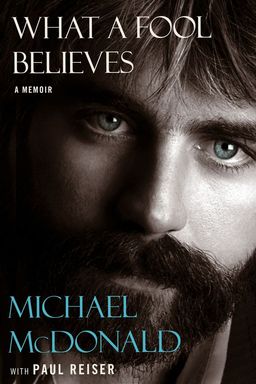
How can you turn early longing into a lifelong practice without losing yourself to the machinery that fame requires? In What a Fool Believes, Michael McDonald (with Paul Reiser) argues that an artist’s voice forms where family imprint, apprenticeship, business savvy, and spiritual surrender intersect. He contends that recognition never fixes the hole you hope it will—but craft, fellowship, and humility can grow a life wide enough to hold both triumph and trouble.
Across this memoir, you watch McDonald move from a ritual-heavy Irish‑Catholic home in St. Louis into smoky saloons with his father, through high-pressure studios with Rick Jarrard and Steely Dan, and onto arena stages with the Doobie Brothers. You see the business lessons (publishing control, manager dynamics) collide with the psychic cost of the road. You trace how romance and collaboration with Amy Holland become marriage, caregiving, and shared resilience. Addiction and recovery reframe his understanding of creativity. Parenting a strong‑willed son reshapes his patience and inventiveness. Mid‑career reinvention with Motown proves reverence can fuel freshness. And reunion tours clarify what legacy actually measures.
Roots and rituals that plant a question
McDonald’s origin story is both tender and volatile: a father (“Mac”) with a beautiful tenor and a job on the Number 40 streetcar; a grandmother (Nana Mac) whose love comes wrapped in toughness; a mother medicated by Dr. Bilskey’s diet pills; wakes and Irish songs beside sudden blowups. From that mix he learns a magnetic equation—music equals attention and approval—and an anxious reflex to assign blame when things fracture. Those templates become the subtext of his performing hunger and relationship struggles. (Note: This echoes themes in Bruce Springsteen’s memoir—how household weather becomes artistic weather.)
Apprenticeship before credentials
Instead of conservatory, McDonald gets a living‑room-and-saloon education: Aunt Mame’s Victrola, Ida Burns’s hands on the piano, a tack‑modified upright in the basement, a layaway Silvertone guitar from Grandma Genevieve, and a tenor banjo from Nana Mac. He mimics Mario Lanza and Ray Charles, then adapts, then writes originals. Early public performances—like belting “Love Is a Many‑Splendored Thing” at five—deliver a feedback loop more efficient than any syllabus. You’re reminded that proximity to working players and countless ungainly reps often beat formal training.
The studio as conservatory
Rick Jarrard’s RCA sessions drop McDonald among assassins: Ron Tutt, Jerry Scheff, James Burton, Hal Blaine, Dean Parks. He learns charts, mic craft, restraint. Steely Dan’s world—Donald Fagen’s harmonic rigor, Jeff Porcaro’s pocket—raises the bar further. Perfection isn’t punitive here; it’s pedagogical. Those lessons become the DNA of later productions (“Takin’ It to the Streets,” “Minute by Minute,” “I Keep Forgettin’”).
Art meets the business
Managers dress you and book you (Joe Pokorney) but can also choke autonomy. Labels woo and drop you. Publishing is the golden stream you’ll regret giving away (Irving Azoff’s warning saves him once). These chapters demystify A&R, producers, and promotion. (Note: Think Prince’s battles over masters or Taylor Swift’s rerecordings; the stakes are evergreen.) Every handshake has incentives; map them before you sign.
The crucible of the road
Arena tours offer purpose and family, then hollow you out between shows. Crew pranks (a chocolate‑pudding “fire extinguisher” ambush in Houston) sit alongside limousine laps after the Grammys just to avoid a silent house. McDonald feels the nausea of reentry each time the schedule stops. He keeps side projects (producing Amy Holland) as ballast. (If you’ve seen Almost Famous and This Is Spinal Tap, he says real life lives between them.)
Love, addiction, and surrender
The memoir entwines romance and recovery. Producing Amy’s album becomes courtship; grief (her father’s death) deepens commitment; later, her cancer calls forth everyday heroism. Addiction—pot in the morning, alcohol to glide, cocaine to grind—nearly erases him. The turn arrives in a treatment lobby where an old ally, Ray Paul, appears at the exact right moment. Saying “Yeah” to a meeting starts the real career: living amends, 24‑hour honesty, and creativity without chemical permission.
Reinvention and legacy
Motown covers with producer Simon Climie prove reverence and reinterpretation can spark a second wind. A lucky TV chyron ignites sales. Onstage years later, a monarch butterfly lands on his shoulder—he reads it as his father’s visit. Legacy, he concludes, resides less in trophies than in friendships that survive, in audiences who sing back, and in the courage to keep making something honest.
Core promise
This book hands you a working model: learn close to the work, guard your publishing, let exacting collaborators raise your ceiling, build parallel anchors off the road, choose fellowship over self‑sufficiency, and count success by the lives you hold together as much as the songs you send out.