
Idea 1
Becoming the Dad Your Partner and Baby Need
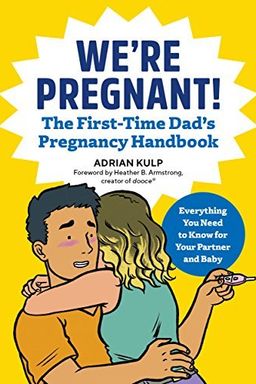
What does it really mean to become a father—not just biologically, but emotionally and practically? In We're Pregnant!: The First-Time Dad’s Pregnancy Handbook, Adrian Kulp argues that fatherhood begins long before you hold your baby. He contends that dads should step into the pregnancy experience from day one, rather than waiting passively for the birth to activate their role. Kulp’s central message is both simple and profound: “What matters to your partner should matter to you.”
Through humor, honest reflection, and weekly milestones, Kulp guides fathers through the entire journey—from conception and the bizarre wonders of trimester one to diaper duty and midnight feedings in the so-called fourth trimester. While many pregnancy books focus on mothers, this one flips the lens, helping men understand the physiological, emotional, and logistical chaos of pregnancy while equipping them with practical actions to truly support their partner and prepare for baby’s arrival.
Fatherhood as Partnership, Not Spectatorship
Kulp opens with his own story of learning the hard way. When his wife first took a pregnancy test while he was nursing a hangover, he wasn’t there to share the moment. That experience became a turning point. He realized that being a father was about showing up—not just physically, but emotionally and mentally. The book challenges the cultural notion that pregnancy is “her thing” until birth. Instead, Kulp turns it into a shared adventure, one where dads need to read, ask, listen, and take initiative.
Kulp writes candidly about his early mistakes—such as maintaining selfish habits in his first months of marriage—and the transformation that came when he decided to put family first. He gently dismantles traditional male scripts of aloofness (“the dude act”) and replaces them with proactive empathy and cooperation. His tone is conversational yet instructive, inviting readers to think: how often do you make your partner’s priorities your own?
The Handy Framework: Weekly Goals and Support Types
At the heart of the book is a system of weekly milestones and family goals tailored for dads. Each week outlines what’s happening with Mom and baby—“from poppy seed to watermelon”—and what the father can do to help. From week one (when there’s technically no baby yet) to week forty (when the baby’s ready to meet the world), Kulp includes bite-sized reminders, practical actions, and medical benchmarks that transform cluelessness into confidence.
These goals are organized into what he calls “types of support,” practical categories that redefine how fathers can contribute:
- DAD RD: Focus on nutrition—learn how folic acid, iron, and balanced meals affect your partner’s health and your baby’s development.
- DADDY DOULA: Offer emotional support before, during, and after labor.
- HOME CEO: Manage household chores proactively so Mom can rest.
- PREGNANCY EMPATHY 101: Practice understanding for what your partner feels—fatigue, discomfort, and hormonal mood swings.
- POSTPARTUM EMPATHY 101: Continue empathy into recovery, recognizing physical pain and emotional volatility.
- DADDY DAYCARE: Take charge of diaper changes, baths, and nighttime feedings.
- BROWNIE POINTS: Small gestures that say “I appreciate you”—from running errands to surprise date nights.
It’s a clever taxonomy designed to make the dad’s role tangible. Instead of vague advice like “be supportive,” Kulp defines what that actually looks like through daily actions. (In comparison, Armin Brott’s The Expectant Father focuses more on psychology and identity, while Kulp zeroes in on practice and empathy.)
Why It Matters: Breaking Gender Assumptions
Heather B. Armstrong’s foreword underscores the deeper purpose of Kulp’s guide: rebalancing the emotional and physical labor of parenting. Historically, she writes, even the most career-driven women are still burdened with the majority of childcare. Kulp, by contrast, calls men to enter those trenches from the very first trimester. The result isn’t just a happier partner—it’s a more resilient family.
By treating pregnancy as an apprenticeship in empathy and responsibility, Kulp positions fatherhood as transformation. His tone is compassionate yet accountability-driven. Men, he insists, should mature into their roles—not stumble through them reacting at “game time.” This mindset prepares dads for the inevitable juggle of postpartum life, when sleep deprivation mixes with hormonal recovery and parenting demands. In short, the nine months aren’t just waiting—they are training.
Fatherhood as Brotherhood
Kulp wraps his message in a sense of communal identity. “Fatherhood is the new brotherhood,” he writes. Dads aren’t isolated learners; they can draw inspiration and connection from others who’ve gone through it. His background in fatherhood communities, blogs, and A&E’s Modern Dads grounds this idea in real-world examples. He offers reassurance that feeling clueless isn’t failure—it’s part of the process.
“Whether you’re terrified or thrilled, this book is your crash course in becoming your partner’s best teammate—and your baby’s first hero.”
Ultimately, We’re Pregnant! is about transformation through engagement: about trading anxiety for knowledge, fear for empathy, and self-focus for partnership. Kulp doesn’t sugarcoat the hard parts—the exhaustion, the tears, the awkwardness—but insists that fatherhood begins in awareness, action, and love. For today’s first-time dad, that’s more than advice—it’s a call to grow up beautifully.