
Idea 1
Transforming Mealtimes: Building a Lifelong Love of Food
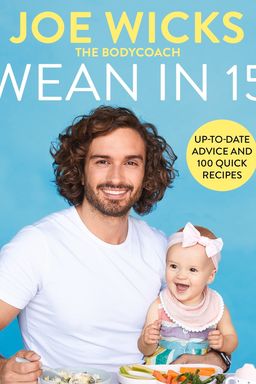
When should you start introducing your baby to solid foods? And how can you make sure those first bites set the stage for a lifetime of healthy eating? In Wean in 15, Joe Wicks—popularly known as “The Body Coach”—shares his journey of weaning his daughter Indie, blending practical nutrition science with an honest, imperfect, and deeply human approach to feeding babies. Drawing upon expert guidance from child nutritionist Charlotte Stirling-Reed, Wicks argues that weaning isn’t just about food—it’s about nurturing curiosity, independence, and a joy for eating.
At its heart, this book offers a roadmap for parents to evolve from fearful beginners into confident mentors of healthy habits. Wicks contends that weaning should start around six months of age when babies are developmentally ready to eat solids—able to sit upright, hold their heads steady, and grasp food. But beyond timing, he emphasizes embracing an attitude of adventure: experimenting with flavors, textures, and family meals. The process should be fun, messy, and full of patience. Babies, he explains, learn from your example and environment as much as the food itself.
A New Kind of Weaning: Responsive, Flexible, and Real
Wicks introduces a holistic approach that merges scientific insight with practical family life. Unlike rigid feeding plans, Wean in 15 encourages responsive feeding—reading your baby’s cues of hunger and fullness and adjusting mealtimes accordingly. It rejects the stress-inducing idea of forced feeding or portion rules, reminding parents that appetite varies day to day depending on energy, growth, and mood. (Nutrition experts such as Ellyn Satter echo similar principles in her Division of Responsibility model, advocating relaxed mealtime dynamics that teach self-regulation.)
Why Veg-Led Weaning Matters
The book takes a strong stand on starting with green, savory vegetables—broccoli, kale, courgette—rather than defaulting to sweet purees. Research summarized by Stirling-Reed shows that babies are naturally predisposed to sweeter tastes (milk is sweet), yet early exposure to bitter vegetables can expand their palate and reduce future resistance to greens. Wicks turns this science into everyday storytelling: he describes Indie’s hilarious grimaces at “baby trees” (broccoli) during her first week and the gradual acceptance that followed. By prioritizing veggie-led weaning, parents help babies build familiarity with foods they often dislike later in childhood.
From Fear to Confidence
The emotional arc of the book centers on overcoming common parental fears—gagging, choking, allergies, portion sizes, and fussiness. Wicks reassures readers that gagging, for instance, is a normal reflex that protects babies; choking is rare when foods are prepared safely. His detailed guidelines for food preparation (cut grapes, avoid hard veggies, take a first aid course) transform anxiety into empowerment. The same goes for allergies—he recounts Indie’s mild reaction to cashew butter, walking parents through calm crisis management and long-term allergy strategies.
Family, Fun, and Flavor
Beyond the nutritional science, Wean in 15 champions an emotional philosophy: eat together, laugh often, and make food exciting. Mealtimes, Wicks insists, are not battlegrounds but social experiences. Babies should see you eating vegetables, using herbs, and enjoying real food. He invites parents to listen to calming music at meals, get outside for picnics, and welcome mess as part of learning. Cooking isn’t just about recipes—it’s about modeling curiosity. This ethos turns feeding from a task into a family ritual of discovery.
Why It Matters
Ultimately, Wicks’s project is larger than baby food—it’s cultural. He wants to break the cycle of fast, processed kids’ foods (a system he criticizes after his own childhood diet of sugary cereals and nuggets). By treating babies as capable eaters and exposing them early to variety, parents can help shape healthier, happier future adults. Wean in 15 reminds readers that there is no perfect formula, just progress. Whether you’re spoon-feeding, doing baby-led weaning, or both, the goal is simple: teach your baby to love food, respect hunger, and enjoy family meals for life.