
Idea 1
Choosing Life in the Face of Climate Crisis
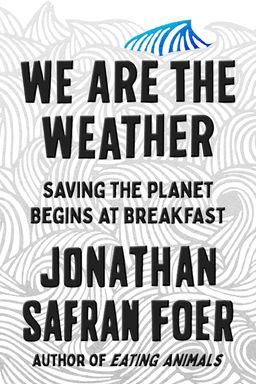
What would you do if you knew your daily choices were helping to end life on Earth? In We Are the Weather, Jonathan Safran Foer asks you to confront that question—not with fear, but with action. He argues that saving our planet depends not on governments and technologies alone, but on our ability to make moral and collective decisions every day, starting with what we eat.
Foer contends that the climate crisis is less a scientific problem than a spiritual and philosophical one. Like the Polish underground courier Jan Karski, who tried to convince leaders about the Holocaust but was met with disbelief, we know the truth about what’s happening around us but fail to believe it deeply enough to act. We are aware of the crisis intellectually, yet emotionally detached—living in denial through comfort, habit, and distance. His book insists that awareness without belief is impotent and that belief without action is hypocrisy.
To transform knowledge into action, Foer weaves together personal stories, history, and environmental science. He links the Holocaust, world wars, and family memory with today’s ecological destruction. He invites us to imagine the climate crisis not as an abstract environmental disaster but as a human one—as close and tragic as a loved one in danger. The central claim? We already know what we have to do to avert catastrophe; we just must decide to do it. That decision, he says, should begin at breakfast and lunch: not eating animal products during those meals could dramatically reduce greenhouse gases and demonstrate the collective power of small sacrifices.
The Human Struggle to Believe
Throughout the book, Foer explores how humans resist belief. He compares climate inaction to historical disbelief in genocide, drawing parallels between Justice Felix Frankfurter’s inability to comprehend Nazi atrocities and modern denial of ecological destruction. In both cases, the facts were irrefutable, but the emotional machinery of belief failed. Foer suggests our minds and hearts are poorly designed for distant, systemic threats; we respond dramatically to what’s nearby and personal but freeze when harm feels abstract. That’s why we act heroically when a child is trapped under a car but apathetically when the planet suffocates under carbon.
Collective Action as Salvation
Foer uses a recurring metaphor—the power of a wave. Like the shimmering wave honeybees perform to drive away predators or the human waves at stadiums, collective participation doesn’t require extraordinary heroism, only willingness. You don’t need to start the wave; you just need to rise when it reaches you. By connecting the idea of civic participation during WWII blackouts to our current food habits, Foer reframes climate change as a home-front war. Turning off lights during the war didn’t win the battle alone, but the war couldn’t have been won without it. Similarly, individual choices to reduce meat consumption won’t save the planet alone, but we cannot save it without them.
Home, Memory, and Responsibility
Foer situates the environmental struggle within family and home. His dying grandmother’s stories of survival, his grandfather’s suicide, and the memories of his childhood home become metaphors for what we are losing. Just as a family’s moral duties span generations, our ecological responsibilities extend beyond our lifetimes. “Home,” he writes, “is almost always imperceptible”—we forget to protect it because it’s too familiar. Like our planet’s atmosphere, it becomes invisible until it collapses. The recognition of home’s fragility leads him to the book’s most haunting proposition: the planet will either get revenge on us, or we will be its revenge.
Why This Matters Now
Foer’s argument matters because it reframes climate change from a technical challenge to a moral reckoning. It’s not primarily about carbon caps or treaties—it’s about choosing life when life feels abstract. He channels prophets, philosophers, and parents to ask whether we’ll act before catastrophe becomes irreversible. The book’s structure mirrors a plea: from disbelief to belief, isolation to solidarity, consumption to conscience. You begin as an observer and end as a participant, realizing that saving the world may start with saving breakfast. Foer’s ultimate question—“Where were you when you made your decision?”—turns climate conversation into existential reflection. The choice before us isn’t between optimism and despair but between resignation and compassion. This is not just an environmental book; it is a modern moral call to believe enough to act.