
Idea 1
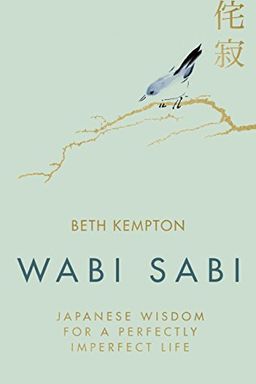
Wabi Sabi: The Beauty of Imperfection and Transience
When was the last time you felt profound contentment—knowing that the moment might fade, yet feeling perfectly at peace as it did? In Wabi Sabi, author Beth Kempton invites you to look differently at life and beauty, through the lens of an ancient Japanese philosophy that honors impermanence, imperfection, and incompleteness. Rather than chasing flawless perfection, wabi sabi teaches you the art of embracing what you already have, just as it is.
Kempton, a lifelong student of Japan’s culture and aesthetics, contends that wabi sabi offers a healing antidote to modern chaos—the hurry, comparison, consumerism, and excessive striving that have left many of us exhausted. Drawing from Japanese history, language, art, and Zen Buddhism, she shows how this worldview can help you slow down, simplify, reconnect with nature, and find serenity in small, fleeting moments.
A Philosophy Rooted in Simplicity and Nature
At its heart, wabi sabi celebrates the organic rhythms of life. Kempton reveals its origins in 15th–16th century Japan, when tea master Sen no Rikyū revolutionized luxury tea practices by replacing ornate, gold-filled tearooms with tiny, humble spaces. His philosophy prized simplicity and mindfulness—bamboo utensils, natural materials, and close proximity between host and guest—to emphasize heartfelt human connection rather than status. Rikyū’s approach transformed tea from a show of wealth to a deeply spiritual ritual, embodying wabi (humble, simple, content) and sabi (patina, weathered beauty, tranquility over time).
Together, wabi and sabi form a way of seeing beauty through impermanence—the fallen leaf, the cracked bowl, the wrinkled hand—and recognizing truth in their quiet authenticity. Kempton describes wabi sabi as an aesthetic of naturalness that transcends mere design trends. While Western culture often pursues symmetry and flawlessness, wabi sabi reminds us that everything in the world—even ourselves—is evolving, imperfect, and alive with character.
Why It Matters in Modern Times
Kempton argues that wabi sabi’s wisdom is urgently needed today. In our world of digital perfection and material excess, the relentless pursuit of more—more possessions, achievements, likes, and validation—has created stress and disconnection. Wabi sabi offers a radical shift: less stuff, more soul. Less speed, more stillness. Less comparison, more compassion. By rediscovering simplicity and presence, we reawaken our capacity for gratitude and wonder.
“Wabi sabi is an intuitive response to beauty that reflects the true nature of life,” Kempton writes. “It’s felt in a moment of appreciation—a perfect moment in an imperfect world.”
In essence, it’s not just an aesthetic principle but a life philosophy about accepting change, honoring the present, and seeing wholeness in incompleteness. The author connects this to Buddhist ideas of impermanence (mujō), suffering (ku), and oneness (kū)—reminding us that living fully means embracing transience and authenticity.
From Philosophy to Practical Life
Kempton bridges ancient Japanese aesthetics with modern self-development themes. She explores how to apply wabi sabi across everyday life—in simplifying your home, reconnecting with nature, practicing acceptance, reframing failure, nurturing relationships, enjoying one’s career, and cherishing fleeting moments. Each chapter offers stories from her own experiences in Japan—such as bathing in communal bathhouses, visiting temples, or learning pottery—to illustrate that the philosophy is lived, not studied.
For instance, you might find wabi sabi in the way light filters through paper windows, in the symmetry of forest silence during shinrin-yoku (forest bathing), or in the patience of learning from mistakes as a beginner. These experiences reveal that beauty doesn’t demand perfection—it invites presence. Accepting imperfection in ourselves and others opens space for humility, creativity, and compassion.
A Map to Living Wide Awake
Kempton closes her introduction with a promise: wabi sabi can transform not just your understanding of beauty, but your entire orientation to life. It can help you unlearn harmful perfectionism, rediscover wonder, and cultivate calm amid uncertainty. Like the Japanese monk’s proverb—“Fall down seven times, get up eight”—wabi sabi reminds you that each stumble is an essential part of growth. Life is imperfect, impermanent, incomplete—and profoundly beautiful.
This philosophy calls you not to master life, but to inhabit it. As you explore the chapters ahead, you’ll learn how wabi sabi can infuse your home, relationships, career, and creativity with meaning. You’ll see how beauty and peace arise not from fight or control, but from recognition: everything is changing, and that’s exactly how it should be.