
Idea 1
Untangling Resentment Through Gratitude
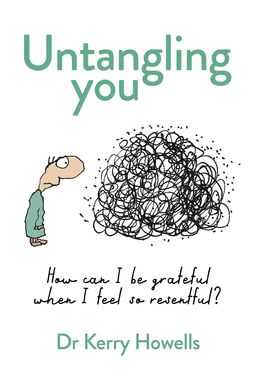
Have you ever felt so wronged by someone that forgiveness or gratitude felt impossible? In Untangling You: How Can I Be Grateful When I Feel So Resentful?, Dr. Kerry Howells argues that resentment and gratitude are conceptual opposites—and that learning to practise gratitude is the most powerful way to free ourselves from resentment’s grip. Rather than treating gratitude as a superficial positivity boost, Howells reveals it as a profound ethical and relational practice capable of healing broken expectations, feelings of inferiority, and deep emotional wounds.
Resentment, Howells explains, is a lingering, stuck emotion—a toxic mix of indignation and hurt caused by a sense of injustice. It isolates us, feeds on rumination, and festers when we wait for others to change or apologise. Gratitude, on the other hand, is dynamic: a conscious action of recognising what we’ve received and giving back freely. The book proposes that by practising gratitude intentionally, we can begin to loosen the hardened knots of resentment that distort our relationships and sense of self.
The Building Blocks of Gratitude and Resentment
Howells contrasts the worlds these emotions create. Resentment thrives amidst competition, stress, entitlement, and self-centredness. Gratitude flourishes in cooperation, humility, and interconnectedness. Resentment’s energy is inward and corrosive—it ruminates, waits, blames, and festers. Gratitude’s energy is outward and generative—it connects, radiates, and heals. By recognising where gratitude feels difficult to access, we also illuminate hidden resentment.
Personal and Philosophical Foundations
The book has deeply personal roots. Howells recounts her fractured relationship with her mother—years of bitterness rooted in neglect and misunderstanding—and how writing her mother a gratitude letter transformed their bond. This act opened the floodgates of healing and became the basis for her decades of research into gratitude in education, leadership, health care, and sports. Through this story, gratitude is shown not as a fleeting emotion but as a moral and relational behaviour—an act of recognition and giving that can mend what resentment destroys.
(Contextual note: Howells’s approach parallels the moral psychology of gratitude discussed by philosophers like Robert C. Roberts and sociologist Georg Simmel, who described gratitude as the “moral memory of humankind” and the “most cohesive element of society.”)
Why This Perspective Matters
Modern gratitude literature often highlights health benefits—better sleep, lower stress, stronger immunity—but Howells warns against shallow gratitude practices that ignore resentment. If gratitude is treated as a quick fix or as emotional positivity, we miss its transformative essence. It must engage with pain, injustice, and the messy reality of relationships. In fact, gratitude achieves authenticity only when it coexists with the honest acknowledgment of resentment.
What the Book Covers
Across ten chapters, Howells maps a journey from resentment to deep gratitude. You’ll first learn to recognise resentment’s hidden forms and causes—broken expectations and feelings of inferiority—and then explore practical ways to transform them. She examines self-resentment and perfectionism, gratitude’s role in addressing others’ resentment toward us, and the importance of speaking openly about grievances. Later chapters widen the lens to cross-cultural expressions of gratitude, before concluding with the reminder that even “little actions” of gratitude can have profound ripple effects.
Why Gratitude Is Action, Not Emotion
Ultimately, Howells redefines gratitude as a deliberate action and attitude—not a feeling to wait for but a state to cultivate. Just as resentment traps you in blame and paralysis, gratitude brings choice, freedom, and agency. “How can I be grateful when I feel so resentful?” therefore becomes “How can I practise gratitude in order to let go of resentment?” This reversal is the book’s most crucial insight. By actively practising gratitude—not waiting for perfect conditions—you begin to untangle the knots, discover compassion, and restore joy and peace within yourself and your relationships.