
Idea 1
Power, Control, and Legacy in the Redstone Empire
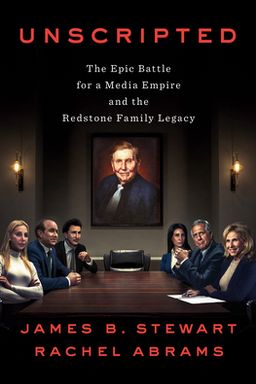
What happens when family control, personal passion, and immense corporate empire collide? The saga of Sumner Redstone, CBS, and Viacom is a study of the intersection between private trust and public governance, where boardrooms, bedrooms, and courtrooms become indistinguishable. The story is not only about one man’s dominance but also about how structures of control—trusts, contracts, and loyalty networks—shape multibillion-dollar companies long after their founders are gone.
At its core, this tale traces the rise, chaos, and eventual reform of a media dynasty spanning decades. From Sumner’s theater-chain beginnings to his control of Viacom and CBS, you watch how private family instruments, estate planning, romantic entanglements, and legal drama came to define corporate America’s limits and possibilities. (Note: Like Ron Chernow’s study of Rockefeller, this narrative treats corporate power as deeply human—driven by personality as much as profit.)
The architecture of control
Sumner’s control flowed through a family holding company, National Amusements, and a trust created after his 2002 divorce. Despite being publicly traded, Viacom and CBS were privately ruled: whoever commanded the trust commanded the companies. Trustees like Philippe Dauman and George Abrams served as both legal gatekeepers and political actors. When his daughter Shari Redstone later replaced them in 2016, the empire’s internal constitution shifted overnight—proof that ultimate authority could lie outside the boardroom.
The personal becoming political
Sumner’s romantic and personal relationships—his marriages, mistresses, and beneficiaries—spilled relentlessly into business decisions. Women like Manuela Herzer, Sydney Holland, and Heather Naylor influenced programming choices, appointments, and even financial transfers approaching tens of millions of dollars. At one point, MTV was pressured to promote Naylor’s pop group The Electric Barbarellas despite internal resistance. His desires altered the network’s output, stock price, and internal ethics.
Gifts, estate rewrites, and stock sales blurred boundaries between personal affection and fiduciary duty. When $90 million left his accounts in 2014—half to Holland, half to Herzer—accusations of undue influence and elder abuse emerged. The resulting lawsuits exposed how household politics and corporate governance intertwine when one fragile patriarch controls everything.
Family schism and governance conflict
As Sumner’s health failed, Shari Redstone began to assert control, positioning herself against former loyalists like Dauman. Through strategic trustee replacement and legal maneuvering, she blocked a proposed sale of 49% of Paramount Pictures to Dalian Wanda and realigned boards at both Viacom and CBS. Her actions illustrated how family shareholders can outmaneuver CEOs by leveraging private control rights embedded in trust documents.
The Struggle at Viacom’s board became a case study in control mechanics. When Dauman sued alleging Sumner’s incapacity, the courts turned into staging grounds for competing narratives—one insisting that Sumner was lucid, another stressing vulnerability and manipulation. For scholars and practitioners of corporate law, the case illuminated the fragility of independence in dual-class companies dominated by a patriarchal shareholder.
The reckoning at CBS and #MeToo
Parallel to the Redstone family wars came a broader reckoning in power and accountability: the #MeToo movement. The downfall of Les Moonves, CBS’s longtime CEO, mirrored Redstone’s personal chaos in a different register. Investigations spearheaded by journalists like Ronan Farrow and law firms like Debevoise & Plimpton revealed how misconduct, denial, and contractual loopholes allowed predatory behavior to persist inside one of America’s largest networks. This era transformed #MeToo from cultural outrage to a governance revolution that forced boards to define ethical leadership.
Legacy and transformation
Ultimately, Shari Redstone reconstructed the corporate empire her father built. She merged CBS and Viacom under new leadership (Bob Bakish) and pursued a streaming-focused, inclusive culture. Yet, even as reforms followed, the Redstone saga left a sobering lesson: control, unchecked, corrodes judgment. Whether through trust instruments or ego-driven contracts, concentrated power always bends governance toward personal theater.
Core takeaway
This story reveals how personal ambition, legal design, and cultural change interact. You see that power—whether in a patriarch’s hands or a board’s charter—is never neutral. It must be checked by transparency, independence, and humanity, or it will metastasize into crisis.