
Idea 1
The Architecture of Sexual Power
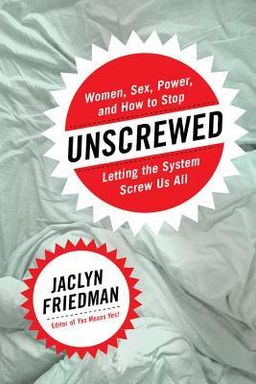
Why does the promise of sexual freedom still leave so many people constrained? In Unscrewed, Jaclyn Friedman reveals that modern sexual culture is built on paradox: glossy gestures of self-expression coexist with deep structural inequities. The book argues that real sexual autonomy requires systemic power—not just confidence slogans or commercial self-help. Across history, medicine, media, politics, and personal relationships, Friedman shows how institutions still dictate who can feel safe, visible, and respected in their sexual lives.
The illusion of liberation
You live in an era that markets sex as empowerment. Advertising and pop culture tell you that visibility equals freedom: post a bold selfie, buy lingerie, and you are a feminist warrior. Friedman calls this pattern fauxpowerment — a cultural mirage that sells personal upgrades while ignoring the institutions that make people unsafe. Examples like Leigh Anne Arthur, the teacher fired after a stolen nude, and Janese Talton-Jackson, murdered for refusing advances, demonstrate that confidence cannot compensate for systemic failure. Real empowerment demands collective solutions: laws, education, safety nets, and justice structures.
Historical continuity and unfinished revolutions
Friedman situates today’s promises inside an incomplete sexual revolution. The 1960s brought contraception, feminist organizing, and public talk about desire. Yet, the benefits were uneven: Loretta Ross suffered sterilization from the Dalkon Shield IUD, and poor women faced coerced medical procedures. The Feminist Sex Wars divided activists, pitting anti-porn feminists against pro-sex advocates like Ellen Willis. The Reagan era’s backlash further fragmented progress, reinstating abstinence-only education and restricting abortion rights. Ross’s later leadership in the reproductive justice movement reframed autonomy as intersectional—linking sex, race, economics, and health as inseparable.
Power and knowledge gaps
Friedman turns to science to expose how ignorance reinforces oppression. Researcher Meredith Chivers’s studies on the concordance gap—where women’s physiological arousal doesn’t always match subjective desire—show how culture distorts understanding of consent. Women are told their bodies “lie,” rather than that safety and meaning shape arousal. When Friedman participated in Chivers’s SageLab experiments, she realized how validating accurate data can be. Knowledge itself becomes an act of liberation. Devices like the Lioness vibrator, which records biometric feedback, reflect a growing female-led data revolution—but systemic support for such research remains minimal.
Culture, economy, and authorship
The media depicts sexuality constantly, yet Friedman warns that representation without authorship is decoration. When women hold the camera, as directors like Ava DuVernay or creators like Tani Ikeda do, you see new narratives of consent and self-determination. Meanwhile, neoliberal markets profit from sexual visibility—selling lip plumpers, “female Viagra,” and porn conglomerates like MindGeek shaping public expectation. Ethical alternatives such as TrenchcoatX and Pink Label TV survive only if consumers pay for them. Marketplace feminism replaces community power with consumer choice, mistaking purchase for progress.
Structures of control and defiance
In government and religion, Friedman traces how conservative Christianity molds policy. Hobby Lobby’s exemption from contraception coverage and crisis pregnancy centers’ state-funded misinformation reveal how theocratic influence curtails autonomy. Activists like Cherisse Scott resist through faith-based reproductive justice, while the Satanic Temple uses parody to expose hypocrisy. Simultaneously, pervasive respectability politics—especially aimed at Black women and LGBTQ people—police whose sexuality is seen as legitimate. Brittney Cooper and Tamara Winfrey Harris argue for discarding respectability altogether to reclaim full humanity.
Systems of violence and reform
Violence itself underpins sexual inequality. Sarah Deer’s Indigenous theory of rape reframes assault as an invasion of body and spirit, rooted in colonial erasure of sovereignty. From boarding-school abuse to jurisdiction gaps that left Native women unprotected, Deer’s advocacy through the Tribal Law and Order Act and VAWA shows how law can restore dignity when restructured. Parallel systems still fail survivors: rape myths discredit victims, as seen in the Jian Ghomeshi trial where survivors’ post-assault behavior was weaponized. Silence becomes a shield for perpetrators, reinforcing cycles of harm.
Repairing cultures and competencies
Friedman ends with hope. Reforming masculinity, training professionals, and empowering youth are practical steps toward change. Programs like Maine Boys to Men teach empathy before toxic norms take hold. Professional trainers like Bianca Palmisano and Bianca Laureano integrate pleasure, pain, and consent into medicine and education. Teen councils in Alaska and elsewhere fill gaps in sex education, teaching negotiation and advocacy despite censorship. Online, coalitions such as #FBrape pressure platforms to protect users from harassment and revenge porn. Each initiative demonstrates how systemic repair begins locally but scales through solidarity.
Core message
Real sexual empowerment isn’t bought, branded, or staged—it’s built collectively. Friedman’s book teaches that freedom requires institutions that value consent, invest in education and care, and trust people with truth about their bodies and desires.
Through that lens, Unscrewed becomes not just a diagnosis but a manual for transformation: from illusion to integrity, from market feminism to community power, from noise to structural freedom.