
Idea 1
Unretirement: Rethinking Work, Aging, and Purpose
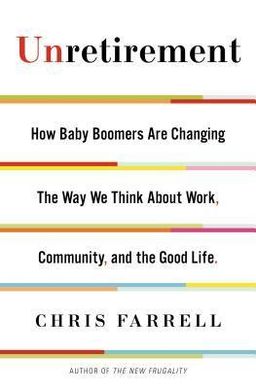
What if the best years of your life didn’t end at sixty-five—but simply changed shape? In Unretirement, journalist and economist Chris Farrell argues that the traditional idea of retirement as permanent leisure is outdated. Instead of fading away, Farrell contends that millions of older Americans are rediscovering work as a source of meaning, creativity, and security. He calls this transformation unretirement—a movement where older workers choose engagement over withdrawal.
Farrell’s central claim is that aging doesn’t have to mean decline. He believes the coming decades will see a massive cultural shift toward longer, more flexible, and more purposeful careers. Drawing on demographics, economics, and personal stories, he paints a vision of a society where older workers, entrepreneurs, and volunteers become vital contributors to innovation and community life. Farrell proposes that the best way to approach aging is with economic realism and social optimism: keep working, keep learning, and keep connecting.
The New Work-Life Revolution
The book opens with the paradox of growing longevity. Americans are living longer, healthier lives, yet our cultural expectations about work haven’t caught up. Farrell points out that half a century ago, retirement was often short and followed by declining health. Today, many boomers will spend twenty or thirty years after age sixty-five still energetic and capable. That demographic reality, combined with financial necessity and intellectual curiosity, means the old idea of retiring to a golf course or a motor home doesn’t fit anymore.
Instead, Farrell envisions a blended life stage: people move gradually from full-time work into part-time schedules, consulting, volunteering, or starting businesses. They may pursue encore careers that bring together accumulated wisdom and new passions. Boomers, he writes, aren’t the “me generation” but the “us generation,” using their networks to create opportunity and meaning through shared experiences.
Why This Shift Matters
Farrell sees profound economic implications in this trend. Working longer means earning income longer, sustaining consumer demand, and contributing to tax revenue. Delaying Social Security benefits and continuing to save can dramatically improve household finances. More importantly, unretirement can alleviate social fears about aging, dependency, and generational competition. Older workers don’t necessarily take jobs from younger people—studies show that hiring elders often expands overall employment and productivity. Instead of an economy divided by age, Farrell imagines one enriched by intergenerational collaboration.
This reframe also offers psychological and communal benefits. Work brings structure, connection, and identity. Without it, many retirees suffer loneliness or loss of purpose. Farrell argues that the solution isn’t endless leisure but meaningful engagement—paid or unpaid—that gives people a sense of contribution. As one Kansas City retiree told him, “You get out every day, meet people, and time goes by fast.” That sense of usefulness becomes the currency of later life.
From Fear to Optimism
Farrell challenges the incessant fearmongering around aging. Politicians and pundits warn that Social Security and Medicare will bankrupt America or that older workers will clog the labor market. He calls these claims misguided. Productivity and innovation, not demographics, drive prosperity—and older adults bring talent and experience that strengthen both. Using historical comparisons and data, he proves that the economy has always adjusted to demographic change, from the industrial revolution to the digital age.
(Note: He contrasts this optimism with economist Robert Gordon’s prediction of permanent stagnation, arguing instead that human creativity and adaptability will fuel a new phase of prosperity.) This hopeful narrative invites you to see the later decades not as dwindling time but as an expanding frontier.
Navigating the Unretirement Landscape
Farrell divides his exploration into several themes: the cultural shift from the “leisure ideal” to the “engagement ideal”; the rise of senior entrepreneurship and encore careers; the power of networks and lifelong learning; and the emerging industries that support older workers—from organizations like Encore.org and ReServe to tech firms designing tools for aging consumers. He shows that both business and policy will need to adapt, creating flexible work arrangements, better health coverage, and lifelong training programs.
Globally, he highlights how Japan, Europe, and even China are beginning to reckon with aging workforces, finding ways to keep seniors productive. The United States, with its entrepreneurial culture, is poised to lead this transformation—if it can shed stereotypes about age.
Why You Should Care
For anyone approaching midlife or already retired, Farrell’s message is enormously empowering. You don’t have to fear running out of money or meaning. Instead, you can see work as an evolving canvas for purpose and connection. Unretirement isn’t just about jobs—it’s about designing the next chapter of a fulfilling life. Farrell’s examples of teachers turned mentors, executives turned nonprofit founders, and technicians turned artisans show how economic survival and personal growth intertwine.
“Older workers are to the first half of the twenty-first century what women were to the last half of the twentieth,” economist Eugene Steuerle tells Farrell—suggesting that aging Americans may spark the next great social revolution in work and identity.
Farrell leaves you with a practical invitation: plan your unretirement early, network relentlessly, stay curious, and focus on freedom—“Freedom,” he reminds us, “is low overhead.” In other words, keep your life flexible, your expenses lean, and your possibilities wide open. The future of aging, in his view, is not about slowing down but about waking up—to new ways of working, living, and sharing the adventure of time.