
Idea 1
The Gift of Unreasonable Hospitality: Redefining Service Through Human Connection
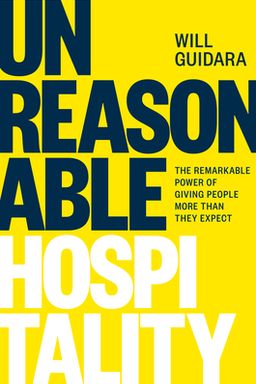
When was the last time you felt truly seen—not as a customer or colleague, but as a person? In Unreasonable Hospitality, restaurateur Will Guidara argues that the best way to create belonging and joy—at work or in life—is to give people more than they expect. Drawing from his journey transforming Eleven Madison Park from a good brasserie into the world’s best restaurant, Guidara contends that hospitality isn’t just an act—it’s a philosophy for how you lead, serve, and live.
The book’s central claim is simple yet radical: we live in a service economy that has forgotten the human. Across industries, people chase efficiency and digital engagement, but in doing so, they lose the irreplaceable power of generosity and care. Guidara teaches that being “unreasonable”—that is, willing to go above and beyond what logic, budget, or precedent allow—is the key to inspiring loyalty, elevating excellence, and feeling fulfilled yourself.
From Food to Philosophy
Guidara began his career steeped in restaurant service, learning from legends like his father, Frank Guidara, and restaurateur Danny Meyer. Over time, he realized hospitality wasn’t limited to fine dining—it was about how you make people feel, whether in restaurants, boardrooms, classrooms, or family dinners. He calls this the “hospitality economy”: an era where care and connection are the ultimate differentiators. The question every business should ask is not just how to deliver, but how to delight.
This was the insight that transformed Eleven Madison Park. After receiving two stars from the New York Times—good, but not great—Guidara and chef Daniel Humm set a ludicrous goal: to become the number one restaurant in the world. To do so, Guidara realized, they couldn’t just chase perfection on the plate; they had to pursue magic in the moment. They began obsessing not over transactions, but over transformations—moments that made guests feel special and employees feel proud.
Turning Black and White into Color
One of the book’s most memorable metaphors came from a job applicant who told Guidara, “Service is black and white; hospitality is color.” That distinction became his mantra. Service is duty; hospitality is artistry. Getting a steak delivered on time is black and white. Noticing someone’s nervousness and adjusting your tone to make them feel comfortable—that’s color. And when color becomes your culture, excellence becomes inevitable.
From that mindset, Guidara reimagined everything from employee training to guest greetings. At Eleven Madison Park, the maître d’ no longer stood behind a podium staring at a reservation system; instead, they greeted people by name, having studied their faces online. Coats were retrieved without tickets, aligning luxury with warmth. By removing transactional barriers, Guidara turned the restaurant into a living canvas of connection.
Why It Matters Beyond Restaurants
Guidara’s argument reaches far beyond food. He believes every field can benefit from unreasonable hospitality. When you teach, lead, or sell, your goal shouldn’t simply be efficiency—it should be emotion. Leaders across industries—from tech founders to real estate agents—can apply his lessons to create unforgettable experiences. After all, as Maya Angelou famously said (and as Guidara quotes often): “People will forget what you said, people will forget what you did, but they will never forget how you made them feel.”
Hospitality as a Selfish Pleasure
Perhaps Guidara’s most counterintuitive insight is that great hospitality is selfish. It feels incredible to make others feel good. When you pour effort into care, you experience a sense of purpose that ordinary work rarely provides. Hospitality isn’t martyrdom—it’s reciprocity. The waiter who connects with their guests, the CEO who invests in their people, the teacher who remembers a student’s interests—all discover that generosity returns joy tenfold.
A Call to Be Unreasonable
Ultimately, Unreasonable Hospitality invites you to reject “reasonableness”—the voice that says “that’s not my job” or “that’s not in the budget.” Whether you’re managing a company, designing a product, or simply living daily life, Guidara challenges you to ask: What would I do for others if I knew I couldn’t fail? He believes this question is the true recipe for leadership and meaning. Be unreasonable not to impress, but to express care—the kind that changes cultures, careers, and lives.