
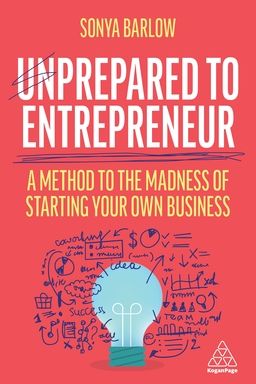
Idea 1
Turning Unpreparedness into Entrepreneurial Power
Have you ever felt that you weren’t ready to start something big? In Unprepared to Entrepreneur, Sonya Barlow argues that not being fully prepared can be your greatest advantage. The book challenges the myth that successful entrepreneurs begin with perfect plans or endless funding. Instead, Barlow contends that entrepreneurship begins in a messy, uncertain place—what she calls your “grey area,” a space of frustration, dissatisfaction, and longing for change. And it’s in those moments of doubt and imperfection that real innovation sparks.
Barlow—a first-generation immigrant, award-winning founder of the LMF Network, and advocate for diversity in entrepreneurship—shows that you don’t need elite connections or flawless plans to build something meaningful. You need curiosity, adaptability, and a method to your madness. Her message: entrepreneurship is not reserved for the privileged few; it’s an accessible path for anyone willing to strategically wing it, fail forward, and redefine success on their own terms.
From Grey Areas to Growth
Barlow opens with a story that many can relate to—organizing a brunch event to build community and ending up alone at the restaurant when every attendee canceled. It felt like a failure, yet this was the moment that birthed her entrepreneurial life. The grey area of disappointment became fertile soil for innovation. Instead of giving up, she reimagined her platform and founded the Like Minded Females (LMF) Network, an inclusive community for women and underrepresented professionals. Over time, the network expanded globally, winning awards and mentorship partnerships. What started as failure turned into momentum—the defining story of her book.
This transformation illustrates a key insight: your perceived setbacks are not signs you’re unfit for entrepreneurship; they’re the catalysts for it. Barlow urges readers to embrace imperfection as part of the entrepreneurial identity. Unlike traditional business models that demand detailed strategies before taking action, she champions experimentation, real-world feedback, and adaptability. If life feels uncertain or incomplete, she writes, that’s precisely when you’re ready to begin.
The Method Behind the Madness
The book’s subtitle—“a method to the madness of starting your own business”—captures its core philosophy. Barlow blends bold storytelling with practical frameworks to help you organize creative chaos. Her self-coined approach, “Strategically Winging It,” combines gut instincts with structured reflection. You say yes to challenges when you’re at least 60 percent sure you can handle them and learn the rest through trial and error. Each failure adds data, each “winged” success builds confidence.
Beyond her personal narrative, Barlow provides tools like Simon Sinek’s “Golden Circle” (the what, how, and why of a business), the Lean Canvas model (Ash Maurya’s simplified one-page business plan), and reflection exercises to keep progress tangible. These frameworks transform scattered ideas into action plans while emphasizing flexibility—the antithesis of perfection. You learn that innovation rarely happens in boardrooms; it happens in living rooms, cafes, or on long commutes where ordinary people jot down extraordinary ideas.
Entrepreneurship as Identity
Barlow frames entrepreneurship as deeply personal. Building a business means simultaneously building yourself. She asks, “Who are you?”—not as a branding prompt but as a self-reflective exercise. Your identity, values, and lived experiences inform your business decisions. For example, her frustration with expensive, exclusionary networking events led her to design LMF as an accessible community. Your pain points can illuminate exactly what the market needs. Entrepreneurship, in her view, is therapy, activism, and art all rolled into one.
Barlow also tackles the emotional side of working for yourself—loneliness, imposter syndrome, burnout, and mental health strain (issues echoed by psychologists like Pauline Clance, who coined the term “imposter phenomenon”). She insists that mental well-being must be treated as part of business infrastructure, not an afterthought. The freedom of entrepreneurship only thrives if it’s paired with boundaries, mindfulness, and community support.
Why This Matters Now
Written during the social and economic aftermath of the COVID-19 pandemic, Unprepared to Entrepreneur resonates in an era of widespread reinvention. Many workers faced career disruptions, job insecurity, and isolation. Barlow’s guidance offers a way forward: adapt faster than your fear. As traditional education and corporate systems falter, entrepreneurship becomes not merely a career path but a mindset—a way to reimagine identity and stability.
"If I can do this, so can you. Nobody is waiting for you or cares enough to define your ideas, beliefs, or identity—that’s all on you." – Sonya Barlow
Ultimately, the book is a blend of memoir, mentorship, and manual. It’s for anyone stuck in uncertainty, convinced they lack the credentials or confidence to start. Through relatable stories, frameworks, and real-world case studies—from coffee sneakers to diversity networks—Barlow proves that preparation is overrated. What you truly need is courage mixed with structure, experimentation balanced by reflection, and an unshakeable belief that failure isn’t final—it’s formative.
By the end, you realize that being “unprepared” is not a weakness but a prerequisite for creativity, empathy, and resilience. The chaos of starting your business is not a storm to fear but the exact pressure that turns ideas into impact. This book doesn’t tell you how to avoid uncertainty—it teaches you how to build with it.