
Idea 1
Unlearning the Script: Redesigning Life from Within
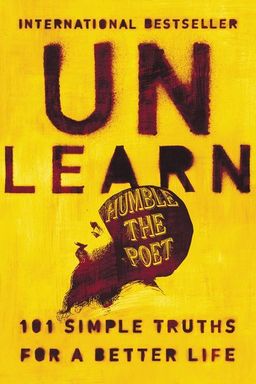
Have you ever caught yourself repeating an old pattern, saying you want change but ending up right back where you started? That’s the quiet frustration Humble the Poet addresses in Unlearn: 101 Simple Truths for a Better Life. He argues that much of our suffering doesn’t come from life itself, but from the outdated ideas and habits we've inherited—scripts written by society, family, and fear. To grow, he says, we must stop chasing new lessons and instead unlearn the ideas holding us back.
Humble, born Kanwer Singh, blends streetwise wisdom with Sikh philosophy, teaching through stories and honest self-reflection rather than preachy motivation. Drawing from his experiences as a teacher, poet, and rapper, he replaces glossy self-help promises with gritty, compassionate truth. His message: happiness isn’t a destination, love isn’t a transaction, and success isn’t a one-size-fits-all format. It’s all about self-responsibility, awareness, and courage to rewrite your personal operating system.
The Core of Unlearning
Humble begins with a simple premise: most of what we think of as truth is just conditioning. We’ve absorbed beliefs such as “good things happen to good people,” “you need validation to be happy,” or “success means wealth.” These rules, taught by parents, schools, and pop culture, shape our expectations and make us miserable when reality doesn’t match them. True wisdom, he suggests—borrowing from Lao Tzu—isn’t found by adding more knowledge, but by shedding illusions.
Throughout the book, each of his 101 reflections serves as a gentle slap and hug combined—a reminder that fulfillment starts when we accept life as inherently imperfect and unpredictable. He reminds us that life doesn’t start after the obstacles; life is the obstacles. In other words, difficulties aren’t detours from the path—they are the path itself. He argues that trying to avoid pain, fear, or failure is actually what keeps us trapped. Growth, by contrast, demands discomfort and vulnerability.
Taking Responsibility for Happiness
A recurring theme is the idea of self-responsibility. “If you want the power to make yourself happy, you have to assume responsibility for your happiness,” he writes. This means ending the blame game—no more depending on relationships, jobs, or external validation to define your worth. The moment you stop outsourcing happiness, you gain genuine freedom. He’s blunt but compassionate: miserable patterns persist not because we like misery, but because we’re afraid of unfamiliar happiness. Real growth requires rewiring those habits of self-sabotage and learning how to sit in the discomfort of change.
Fear, Failure, and Freedom
Fear, for Humble, is both an enemy and a teacher. In “The Gift of Fear,” he distinguishes between instinctive fear that protects us (like dodging a car) and imagined fears that paralyze us (like fearing rejection or embarrassment). The latter are learned habits that hold us hostage. Overcoming fear, he says, starts by identifying it, naming it, and moving forward despite it—baby steps at a time. Success, he points out, isn’t about erasing fear but about not letting it dictate our actions.
Failure, heartbreak, loneliness, and loss aren’t tragic errors to fix—they’re part of human evolution. Drawing on Sikh philosophy and stories of abuse survivors, friends, and his own relationships, he reframes pain as an essential catalyst. “Heartbreak, like any other struggle,” he writes, “is essential for your growth.” This consistent message—that pain and joy are intertwined—echoes thinkers like Viktor Frankl, who argued that meaning is found not in pleasure but in how we relate to suffering.
Freedom Through Authenticity
Humble emphasizes emotional self-sufficiency and authenticity as the antidotes to the toxic chase for approval. Chapters such as “Validation Is a Helluva Drug,” “You Can’t Save ’Em All,” and “Fitting In Is a Pointless Activity” reveal how we trade belonging for freedom. He doesn’t pretend that we can stop caring about what people think—only that we can stop letting it define us. As he puts it, “You’ll never be able to make everyone happy; trying to do so is a key ingredient of failure.” True confidence, he says, comes not from perfection but from comfort with imperfection.
In a world obsessed with buying happiness, Humble flips the script by shifting focus inward. Happiness, he insists, isn’t a place—it’s a perspective. When you clear space by releasing toxic thoughts, regrets, and comparisons, gratitude naturally fills the void. By “unlearning,” you make room for truth, creativity, and peace.
Why It Matters
In a culture drowning in self-help clichés and dopamine-fueled distractions, Unlearn stands out as a practical guide to inner renovation. Its raw honesty invites you to reflect, not escape. Humble’s approach mixes grit and grace—like Mark Manson’s The Subtle Art of Not Giving a F*ck, but with the compassion of Buddhist psychology and the realism of Stoicism. His voice reminds you that growth doesn’t require perfection but participation. “Start where you are,” he says. “Baby steps add up.”
Ultimately, this book is a roadmap for reclaiming control over the only thing truly yours—your mindset. Life will always include fear, pain, and uncertainty, but your response to them determines your experience. When you unlearn the lies, you don’t just find happiness—you rediscover freedom.