
Idea 1
Understanding Autism as Human Experience
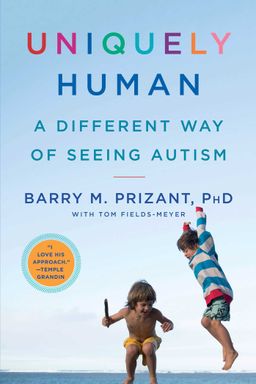
Autism is often described as a neurological difference, but Dr. Barry Prizant reframes it as a human experience driven by the universal struggle for regulation, trust, and communication. In Uniquely Human, he invites you to stop asking “What’s wrong?” and start asking “Why?” When you understand that behavior is communication, every action—whether stimming, silence, or meltdown—tells a story about coping, sensory experience, and human need. The book’s central message is both radical and deeply humane: autism is not a collection of deficits to fix, but a different way of being that requires empathy, structure, and partnership.
Shifting from control to understanding
Prizant contrasts the traditional “behavior management” model—rooted in compliance—with a relational model grounded in trust. He shows how so-called disruptive behaviors stem from dysregulation, sensory overload, or fear. Jesse, a boy once labeled defiant, flourished when his new teachers offered visual schedules, sensory supports, and autonomy. The shift was simple yet profound: adults changed first, and the child changed second. That story becomes a metaphor for the book’s philosophy—autism support begins by changing how we see, not how we force others to act.
Communication, not compliance
Every form of communication counts. Echolalia, often dismissed as meaningless repetition, is shown to be a creative bridge toward language. When a child repeats a movie line or phrase, they may be expressing emotion, processing memory, or reaching for connection. By listening rather than silencing, families and educators unlock meaning. For David, who repeated “That’s a piece of sponge,” the echo carried a joyful memory of texture and shared attention. For Aidan, quoting The Wizard of Oz became a way to socialize. Language, Prizant writes, begins in relationship; when you honor how a person speaks, you help them find their voice.
Trust, fear, and control
Much of autism is about safety. Autistic people live in a world that often feels unpredictable, so they construct control: rituals, rules, sameness. When trust is broken—by sudden changes, unpredictable people, or coercion—fear erupts. Derek panicked when a visit came two weeks late because his emotional trust in schedules was violated. Prizant urges caregivers to see these reactions not as pathology but as self-protection. When you respect predictability, offer choices, and keep promises, you reduce fear and build the ground for growth.
Memory, emotion, and triggers
Autistic emotional memory can be vivid and lasting. A single painful episode may return as a flashback years later. Julio screamed at a white stucco building because it resembled the hospital where he had once been restrained. These responses mimic PTSD—and require similar compassion. You can’t erase traumatic memories, but you can build new positive associations, create safe routines, and approach triggers gradually. In practice, this means forewarning, validation, and choosing environments that feel safe enough for learning to occur.
Strengths and passions as pathways
Every enthusiasm—whether for carwashes, train schedules, or presidential trivia—carries a strength. The book reframes these fascinations not as obsessions but as “enthusiasms” that motivate learning and belonging. Teachers who integrate passions into lessons, like Kate turning Eddie’s license-plate project into a presentation, harness engagement instead of fighting it. Enthusiasms are not distractions; they are keyholes into motivation, self-regulation, and identity.
The role of empathy and “getting It”
Prizant ends Part One by describing the “It Factor”—the intuitive capacity to connect with autistic individuals. People who “get It” are curious, flexible, and humble. They read cues, build relationships slowly, and prioritize trust. Paul, a classroom aide, exemplifies this: by sensing Denise’s early agitation and quietly adjusting his approach, he prevented escalation where others had failed. You may not be born with “It,” but you can become “It-like” through observation, humility, and empathy. This emotional intelligence—not any technique—determines success.
Listening to lived experience
In Part Two, Prizant expands the lens to communities and families. Parents and autistic adults hold irreplaceable knowledge. Natalie’s insistence that her son Keith remain in elementary school another year saved him from regression. Self-advocates like Ros Blackburn and Stephen Shore articulate the insider’s understanding of sensory panic, disclosure, and dignity. Their message parallels the author’s: listen first. True progress emerges from collaboration, not authority.
Building community and long-term well-being
Supporting autism means supporting families, too. The annual parent retreat shows how shared stories transform grief into resilience. Parents learn to pick their battles, conserve energy, and focus on connection over perfection. Many later turn pain into purpose—Elaine Hall founded The Miracle Project; others start advocacy groups. And throughout these journeys, Prizant reminds you to take the long view: success isn’t “recovery.” It’s happiness, self-determination, and a good life. By honoring autistic voices, fostering trust, and emphasizing joy, you help build a world where difference is not merely tolerated but embraced as uniquely human.