
Idea 1
Redefining Success Through Care and Choice
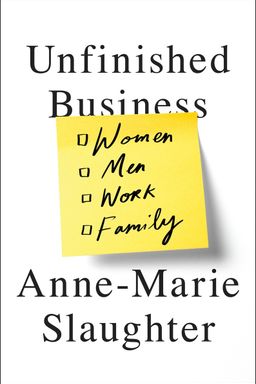
How do you build a successful life that includes both achievement and connection? Anne-Marie Slaughter’s book argues that true equality and fulfillment arise not from trying to “have it all,” but from redefining success to value caregiving alongside competition. Drawing from her own decision to leave a high-ranking role in Washington to return to her family, Slaughter reveals the gap between cultural ideals of success and the messy reality of human responsibilities.
She insists that the issue of work-life balance is not simply a “women’s problem.” It’s a care problem—a system-wide design flaw where workplaces prize constant availability, cultures undervalue caregiving, and families lack structural support. Slaughter’s journey, combined with hundreds of stories she received after her viral essay “Why Women Still Can’t Have It All,” shows that ambition alone cannot overcome inflexible systems that assume someone else will always be home tending life’s needs.
The Myth of Having It All
The first myth Slaughter dismantles—that women can have it all if they try hard enough—rests on privilege. It assumes ideal conditions: financial stability, health, and a supportive partner or paid caregivers. In practice, most families face “no-win” situations when both partners have demanding careers. Slaughter’s own son’s struggles during her years commuting to D.C. forced her to confront what mattered most. Her choice to step sideways into academia was not surrender but a deliberate act to reclaim balance and values.
Competition Versus Care
At the heart of her argument lies a moral and economic contrast: the world rewards competition—status, pay, time—and punishes care. This imbalance affects everyone, from executives punished for prioritizing family to low-wage workers whiplashed by unpredictable schedules. Slaughter reframes equality as not women joining a world built on the rules of relentless competition, but society evolving to balance competition with care. (Note: Nancy Folbre’s research on the “pauperization of motherhood” complements this view by linking care’s undervaluation to systemic inequality.)
Men, Culture, and Shared Responsibility
Slaughter insists that modern feminism must include a men’s movement. Norms insisting that men must “provide” trap both genders. She champions a cultural shift where caregiving is masculine and heroic. Stories like Max Schireson leaving a CEO post for family or Katrin Bennhold’s husband taking the lead parent role illustrate what real change looks like at home. Ruth Bader Ginsburg’s insight sums it up: “When fathers take equal responsibility for the care of their children, that’s when women will truly be liberated.”
Workplace and Policy Redesign
Slaughter extends the argument from personal choice to systemic reform. She calls for results-oriented workplaces that measure output instead of hours, flexible scheduling without stigma, and national investments in paid leave and childcare. She points to programs like Deloitte’s “mass career customization,” the Navy’s Career Intermission Pilot, and PIMCO’s “Parents” initiative as prototypes for inclusive cultures. These changes transform flexibility from a private negotiation into a public norm.
The Broader Vision
Ultimately, Slaughter’s vision is civic as well as personal. She argues for a “care infrastructure” akin to roads or broadband—affordable childcare, eldercare, paid family leave, and fair pay for caregivers. She urges electing women and allies who prioritize care policy. By treating caregiving as skilled work and crucial public investment, nations can unlock economic potential, human development, and cultural renewal.
Key takeaway
Success is not about “having it all” at once—it’s about designing a life that honors both work and care, allows for intervals and equality, and reshapes systems so fulfillment is possible for everyone.