
Idea 1
Moral Vision and Domestic Revolution
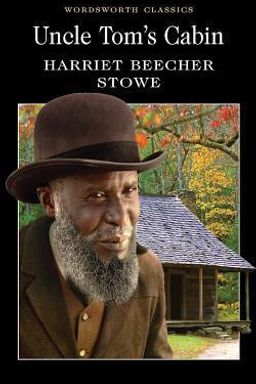
When you read Harriet Beecher Stowe’s Uncle Tom’s Cabin, you engage a novel that transforms private emotion into political force. Stowe argues that moral reform begins in the domestic sphere—by observing mothers, households, and caregiving acts, you learn that the home is both refuge and furnace for national conscience. Her story turns kitchens, parlors, and bedrooms into courts of ethical judgment where ordinary affection becomes an instrument against slavery. Every key figure—from Mrs. Shelby's protest to Mrs. Bird's hospitality—demonstrates how feeling and faith can influence law.
Across the book’s arc, Stowe fuses economics, religion, and family ethics to show the collision between law and mercy. You witness how debt creates sales, how traders embody cruelty under the mask of commerce, and how mothers like Eliza transform terror into agency. The novel becomes an emotional map of resistance: household compassion, spiritual endurance, and calculated defiance weave together to create an anti-slavery moral network. Each domestic crisis—Eliza’s flight, Tom’s sale, Eva’s death—asks the reader to perform moral empathy that translates feeling into action.
Law and the Market of Souls
Stowe begins with the ordinary transaction: Mr. Shelby’s forced sale under debt. Here you discover slavery as an economic habit rather than isolated cruelty. Mortgages and bills of sale become moral documents that destroy lives. Haley’s rhetoric of “necessity” unnervingly mirrors real business talk. By embedding scenes in auctions and ledgers, Stowe exposes how legality cloaks violence. Her method invites you to identify injustice not simply as cruelty but as systemic practice sanctioned by paperwork and cultural etiquette.
Motherhood and Domestic Ethics
The novel’s emotional center is the mother’s heart. Eliza’s flight across the ice symbolizes how maternal love defies legal containment. You experience terror retooled into strategy—rocking the child asleep, leaping across floating ice, and bargaining for shelter. Stowe’s rhetorical aim is clear: she asks you to imagine the child as your own, collapsing racial difference through shared maternal sympathy. Women’s interventions at home—Mrs. Shelby’s charity, Mrs. Bird’s decision to shelter Eliza—turn private duty into social rebellion. This is the book’s political grammar: conscience begins in affection.
Religion as Inner Resistance
Stowe uses Christianity not only as comfort but as critique. Uncle Tom’s prayer and song become theological rebuttals to the market’s logic. His integrity creates quiet heroism that radiates through others—Eva, St. Clare, even Sambo and Quimbo later. Religion supplies moral vocabulary that resists the economic reduction of people to property. What appears as piety becomes insurgent morality: each hymn, each prayer translates endurance into conscience.
Social Contrast and Reform
In juxtaposed households you see America’s contradiction: St. Clare’s elegance against Legree’s degeneracy; Quaker compassion against trader cruelty. The novel constructs moral dilemmas in miniature worlds—homes as laboratories where conscience contends with habit. In the St. Clare house, Eva’s spiritual clarity and Ophelia’s education confront Marie’s vanity and Augustine’s paralysis. The reader watches good intentions fail until love and action align. Later, the Quakers illustrate communal ethics: rescue built on faith, organization, and mutual duty.
Faith, Death, and Transformation
Eva’s illness and death condense the book’s theology: innocence becomes instrument of moral awakening. Her gifts—locks of hair, prayers, affectionate speech—translate spirituality into tangible memory. St. Clare’s grief leads to conversion and attempted acts of emancipation, showing how tragedy prompts reform. Yet his sudden death exposes fragility: moral will can perish before it matures. Stowe thus warns that sentiment alone is insufficient; reform requires action backed by structure.
From Martyrdom to Moral Legacy
Finally, in Tom’s torment and death you confront the moral climax. His refusal to flog another and his forgiveness of Legree rewrite martyrdom as moral protest. Stowe turns suffering into victory; conscience survives where body falls. That energy travels outward—converting others, inspiring George Shelby to emancipate his own people, and symbolically cleansing the nation of complicity. The book concludes not in despair but in commission: readers are asked to act with the sympathy the story has taught them.
Taken together, Stowe’s vision interlaces economics, domestic ethics, and spiritual rebellion to argue that private virtue must confront public injustice. You come away not merely with pity but with an agenda: turn moral feeling into civic transformation. (This dual emphasis recalls Emerson’s idea of moral correspondence between soul and institution.) In Uncle Tom’s Cabin, the home and the heart become the first and most enduring theaters of revolution.