
Idea 1
The Strength Found in Unbroken Bonds
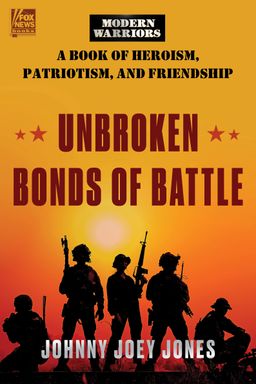
What keeps people moving forward after trauma, loss, or war? In Unbroken Bonds of Battle, Marine veteran Johnny Joey Jones argues that the ties that bind soldiers together—those forged through sacrifice, shared hardship, and unwavering brotherhood—form a kind of strength that transcends war itself. These bonds, he contends, are what allow veterans to rebuild, rethink, and reconnect with life even after the battlefield has faded.
Drawing on his own experience as a double amputee combat veteran, Jones presents stories of extraordinary men and women whose devotion to one another became their lifeline long after service. He believes that, in both military and civilian life, we are saved by connection, not independence. Society may prize self-reliance, but it is the act of leaning on and lifting up others that builds resilience and meaning.
Brothers in Blood, Family by Choice
The book opens with an intimate portrait of Jones’s Southern upbringing—his father’s hard-earned wisdom, his large extended family, and the value of fixing, creating, and helping. These roots, he explains, taught him to appreciate community long before his Marine Corps days. He recounts how his father’s simple sayings, like “Anything worth doing is worth doing right,” became the groundwork for how he saw relationships: as something worth putting in the labor to build.
As the chapters unfold, Jones moves from childhood lessons to the crucible of combat, where bonds formed through shared danger became sacred. The men and women featured—EOD officer Greg Wrubluski, brothers Amos and Adam Benjamin, pilot Lacy Gunnoe, and many others—show how deep loyalty and leadership can not only win wars but also redeem broken lives afterward. These are not stories about survival alone; they are stories about carrying others across the finish line when they can’t walk themselves.
The Many Battlefields of Life
Jones doesn’t confine war to foxholes or foreign deserts. He invites you to see that everyone fights battles—in hospitals, classrooms, living rooms, and inside their own minds. “The land mines we lay in life,” he writes, “come with less training.” By widening the lens, Jones makes the stories accessible to anyone who’s wrestled with failure, loss, or change. Whether it’s an Army wife coping with grief, a blind veteran learning to run again, or a childhood friend trying to save another from addiction, each story shows a different battlefield where the power of connection decides survival.
In this context, “battle” becomes a metaphor for the struggle to stay human—to keep caring, even when life shatters your sense of purpose. The book emphasizes that bonds are not automatic; they are forged through choice, through courage to be vulnerable. The veterans in Jones’s circle lose limbs, sight, comrades, but rarely faith in one another. They carry on, together, because humanity demands it.
Why These Stories Matter
In an age where digital connection replaces human presence and isolation is epidemic, Unbroken Bonds of Battle feels both patriotic and deeply personal. Jones holds up veterans as examples of what modern society is missing: shared mission and mutual responsibility. He argues that our culture’s obsession with convenience and efficiency has detached us from real community—the kind that requires showing up when it’s painful or inconvenient. His solution is both simple and difficult: choose people over comfort.
Jones’s storytelling owes as much to memoir as to oral history. Each narrative builds on the last to form a tapestry of humanity. The book’s structure mirrors the very theme it champions: unity through diversity, loyalty through hardship. From the disciplined Marine officer who refuses to abandon his wounded men to the Gold Star wife who honors her husband’s death through compassion, every figure embodies the book’s central thesis—that the soldiers’ brotherhood can teach civilians to live more meaningfully.
By the end, you realize that Jones is not only chronicling war stories but offering a philosophy of living: suffering does not define you; how you love through it does. These unbroken bonds—between veterans, families, and communities—become proof that resilience is built not from independence, but from interdependence. The book ultimately challenges you to look beyond your private battles and ask: Who are my brothers and sisters in this fight? And what am I doing to make sure their stories, and mine, live on?