
Idea 1
Finding Freedom Through Empathy and Truth
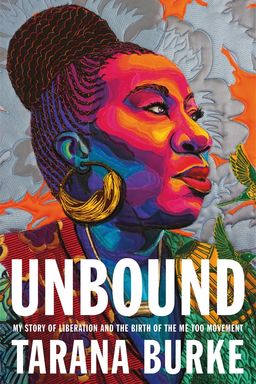
How do you heal from something that has defined your life? How do you take a story steeped in pain and transform it into one that saves others? In Unbound, Tarana Burke—the founder of the ‘me too.’ movement—answers these questions through the most intimate form of activism: empathy born of lived experience. Her memoir traces the journey from childhood abuse and silence in the Bronx to global leadership in a movement that redefined how we talk about sexual violence.
Burke contends that healing starts with recognizing your worth and speaking your truth, even when that truth shakes the foundations of everything you believe. Through stories that span decades—from her painful encounters with sexual violence to her community organizing in Selma, Alabama—she builds a case for empathy and courage as the key forces that unlock transformation. You can’t help others heal until you have faced your own scars; you can’t dismantle silence until you give voice to the parts of yourself that were buried to survive.
A Journey from Silence to Voice
Burke opens with her discovery that the words “me too,” which she had used for years in grassroots survivor workshops, had suddenly gone viral without her. That morning in 2017—the catalyst for the global movement—threw her into panic, not pride. She feared that her work to support Black and Brown survivors would be erased, overshadowed by white women’s stories. But then, as she read strangers’ stories of pain and self-discovery, she realized that this viral eruption was also a spiritual calling. Empathy was doing its work globally, and her mission had prepared her for this moment of collective awakening. That realization reframes the entire book: what began as personal survival becomes a map for communal healing.
Growing Up in the Bronx: The Seed of Strength
Burke’s childhood shaped both her resilience and her wounds. Raised by a fiercely independent mother and an Afrocentric grandfather who modeled social consciousness, Tarana learned early to take pride in being Black and bold. Yet this pride coexisted with shame. Her early experiences with sexual assault fractured her sense of self, splitting her into two identities: the “good girl” who followed rules and the “dirty girl” who carried guilt and secrecy. This psychological split remained throughout her life, silently dictating how she viewed love, worthiness, and community. Her stepfather, Mr. Wes, represented safety and love, but even he couldn’t protect her from predators in her neighborhood. The defining trauma at age seven initiated a lifetime of learning how to trust again—not just others, but herself.
Unkindness as a Form of Violence
Burke introduces the concept of “unkindness as a serial killer.” She exposes how cruelty—especially labeling someone as ugly or unworthy—can infest the soul as deeply as physical harm. In one haunting story, she recalls being called ugly by a stranger, beginning a lifelong battle with self-perception. This emotional violence mirrors what societal neglect often does to marginalized people: it convinces them they are less than human. Her reflections echo bell hooks’s idea that love and affirmation are radical political acts (“All About Love,” 2000). By naming beauty and self-worth as acts of rebellion, Burke reframes kindness as survival and self-love as resistance.
Community as the Engine of Healing
Burke’s path to healing also unfolds through community organizing. Her life in Alabama—working with youth movements, cultural centers, and the descendants of civil rights icons—links personal healing with social justice. Through organizations like the Black Belt Arts & Cultural Center and Just Be, Inc., she creates spaces where Black girls can reclaim their power and confront sexual violence directly. Her concept of community mirrors feminist and liberation theology traditions (similar to Audre Lorde and Paulo Freire): true healing requires collective empathy and accountability. Individual survival is necessary, but liberation comes when survivors see themselves not as broken, but as whole and powerful together.
The Courage of “Me Too”
Ultimately, Burke argues that empathy is more than compassion—it is courage in action. The words “me too” act as a bridge between isolation and solidarity. When Heaven, a twelve-year-old girl in one of her camps, confides that she was abused, Burke freezes. She avoids the conversation out of fear, only to realize later that Heaven needed her to say, “me too.” That failure becomes the movement’s catalyst. Years later, Burke finally embraces those two words aloud, turning personal guilt into a universal call for connection. In this way, the book doesn’t just recount the history of the ‘me too.’ movement; it paints the emotional blueprint behind it—a blueprint born from imperfection, empathy, and the refusal to stay silent.
Why It Matters to You
Burke’s story matters because it dismantles the myth that power must come from perfection. Her journey proves that vulnerability is the birthplace of real strength. When she asks who gets to be heard, she challenges every reader—especially those who have felt invisible or unworthy—to find freedom through empathy and courage. Whether you have faced trauma, supported someone who has, or simply want to live with more integrity, her message is clear: healing is a collective act, and your truth has transformative power when shared in community.