
Idea 1
Discovering Your True North: The Journey to Authentic Leadership
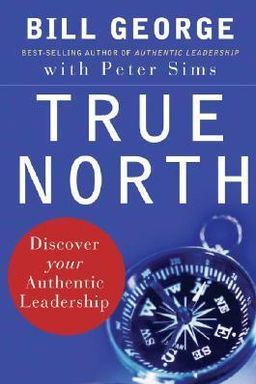
Have you ever felt pulled in multiple directions, unsure of who you truly are as a leader? In True North: Discover Your Authentic Leadership, Bill George and Peter Sims invite you to embark on the ultimate leadership journey—the one inward. They argue that the most powerful and trustworthy leaders lead not through charisma or command, but through authenticity. Rather than chasing success, these leaders follow their True North—a moral compass grounded in purpose, passion, and values.
Through interviews with 125 leaders—from Starbucks founder Howard Schultz to Oprah Winfrey and Nelson Mandela—George demonstrates that authentic leadership isn’t innate or bestowed. It’s developed through life’s crucibles—adversity, reflection, and service. The result is not a formula but a personal compass guiding every decision through integrity and self-awareness.
The Core Argument: Leadership Born from Life Stories
George’s central claim is radical: leadership cannot be reduced to traits, styles, or charisma. Decades of leadership research failed to identify an ideal leader because every leader’s authenticity originates from their life story. Understanding your unique past—its struggles, setbacks, and triumphs—reveals your motivations and passions. For instance, Howard Schultz’s commitment to employee well-being at Starbucks came directly from watching his father lose jobs and health benefits as a child; for Oprah Winfrey, it was the pain of abuse and the discovery of her voice through storytelling.
In George’s words, your life story is not just what happens to you—it’s how you interpret it. By reframing hardship through reflection, leaders transform suffering into meaning, purpose, and empathy. That process, he insists, forms the bedrock of becoming authentic.
The Five Dimensions of Authentic Leadership
George distills authentic leadership into five dimensions, each anchoring your internal compass: pursuing purpose with passion, practicing solid values, leading with heart, building enduring relationships, and demonstrating self-discipline. These dimensions are interconnected; purpose grounds you, values direct you, heart connects you, relationships sustain you, and discipline steadies you.
When aligned, these traits make leaders credible because they act consistently with who they are. In contrast, inauthentic leaders—whom George calls imposters, rationalizers, glory seekers, loners, or shooting stars—lose touch with their True North by pursuing ego, power, or external validation. Their collapse, from corporate scandals to moral failures, is often not for lack of skill but of self-awareness.
Leadership as a Lifelong Journey
Leadership, George insists, is not a destination but a lifelong process—a marathon filled with crucibles and reinventions. Interviewed leaders described a three-part journey: preparing for leadership (gaining experience and self-understanding), leading (facing challenges and transformation), and giving back (mentoring and serving future generations). Each phase, he shows, builds new dimensions of authenticity.
The book’s structure mirrors that journey. Part One explores how life stories and crucibles mold authentic leaders and why some lose their way. Part Two outlines tools for discovering authenticity—self-awareness, clarifying values, understanding motivations, building a support team, and integrating your life. Part Three examines the outward expression of authenticity: inspiring others through purpose, empowerment, and servant leadership.
Why Authenticity Matters Now
In an age of corporate scandals and leadership crises, George argues that authenticity isn’t just ethical—it’s effective. People crave trust and meaning from leaders. He contrasts self-serving executives who chased short-term gains at Enron or Tyco with leaders like Merck’s Roy Vagelos, who gave away a life-saving drug for free because it was the right thing to do. True authority, he argues, comes not from position or reward but from trust, integrity, and service to others.
In essence, to become a great leader, you must first learn to lead yourself. That means mastering your emotions, staying grounded amid pressure, and aligning actions with values. As Kroger’s CEO David Dillon summarized, the hardest person you’ll ever lead is yourself.
A Compass, Not a Roadmap
The metaphor of True North encapsulates George’s vision: a compass that keeps you oriented when the world spins wildly. Unlike a GPS or corporate career map, True North doesn’t tell you exactly where to go; instead, it helps you navigate ambiguity while remaining true to who you are. Success, therefore, becomes measured not by title or wealth but by integrity, impact, and fulfilment.
As Warren Bennis writes in the foreword, “Character is the single most important asset of a leader.” Authentic leadership, George adds, is the practical expression of that character. In today’s volatile, uncertain world, the leaders who endure are not the most charismatic or brilliant—they are the most genuine. They follow their True North, and in doing so, light the way for others to find theirs.