
Idea 1
The Trillion Dollar Power of Team Coaching
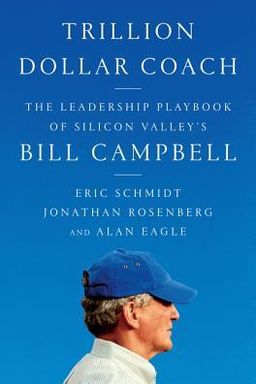
What turns a collection of brilliant individuals into a community capable of changing the world? In Trillion Dollar Coach, Eric Schmidt, Jonathan Rosenberg, and Alan Eagle argue that leadership isn’t about commanding from the top—it’s about coaching from the heart. Drawing lessons from Silicon Valley legend Bill Campbell, they reveal how his unique blend of love, trust, and tough-minded mentorship shaped companies like Apple, Google, and Intuit into innovation juggernauts worth over a trillion dollars.
Bill Campbell, a former football coach turned executive, believed that managers who act as coaches unlock extraordinary performance. He didn’t just mentor individuals; he coached entire leadership teams. His mantra was clear: great companies are built not by lone geniuses, but by high-performing teams acting as communities that care deeply about one another and about their mission. The authors contend that Campbell’s model of leadership—trust first, team first, and love always—remains essential for business success in an age of technology-driven disruption and collaboration.
From Football Fields to Boardrooms
Campbell spent his early career on the Columbia football field, where he learned the fundamentals of teamwork, loyalty, and compassion. Though his coaching record wasn’t stellar, those years instilled lessons that later made him invaluable in Silicon Valley. He discovered that compassion, dismissed as weakness in sports, was a strength in business. When he transitioned to roles at Kodak and Apple, his people-first mindset set him apart from the hard-nosed executives of his era. Steve Jobs, John Doerr, and Larry Page all found in Bill a wise advisor who could balance sharp intellect with deep humanity.
The Coach Behind the Curtain
Unlike most celebrity CEOs, Bill operated quietly behind the scenes. He attended weekly meetings at Google’s headquarters, listening more than speaking, watching body language, and noticing tensions before others did. He helped Eric Schmidt, Larry Page, and Sergey Brin navigate conflicts and stay united during the company’s explosive growth. His focus wasn’t on telling others what to do—it was on making them better at deciding together. Campbell’s approach echoes Harvard researcher Amy Edmondson’s theory of “psychological safety,” the idea that people perform best when they trust they can speak honestly without fear of reprisal.
What it Means to Coach, Not Command
Campbell’s philosophy of management was simple but revolutionary: a leader’s job isn’t to control or direct—it’s to coach. As he often told executives, “Your title makes you a manager; your people make you a leader.” Coaching meant listening deeply, encouraging courage, building trust, and pushing people to confront tough truths. He demanded honesty and humility, whether from a rookie engineer or a CEO. He challenged them to see beyond their ego, focus on the team’s success, and prioritize relationships as the foundation of leadership.
Why These Lessons Matter Today
In today’s world of hyper-speed innovation and global collaboration, Campbell’s wisdom feels even more urgent. Teams are the engines of creativity, but they can easily fracture under pressure. To succeed, organizations must build environments of trust, courage, and empathy—the very cornerstones of Bill’s playbook. His approach also reminds you that love belongs in leadership; that caring about people’s lives beyond work creates loyalty and energy that no perk or bonus can replace.
As you explore the principles from this book—from “building an envelope of trust” to “working the team, not the problem,” and bringing “the power of love” to leadership—you’ll see how Bill coached executives not just to win, but to win right. His story challenges you to rethink management, not as a position, but as a calling: to serve, connect, and inspire teams that change the world.