
Idea 1
Leading Tribes in a World That Craves Connection
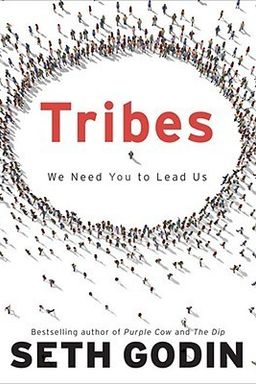
Have you ever felt frustrated that meaningful change seems stuck behind layers of management, fear, or apathy? In Tribes: We Need You to Lead Us, bestselling author Seth Godin argues that the reason the world feels stalled isn’t because of a lack of ideas—it’s because of a shortage of leaders. Godin contends that in an age of connectivity, where anyone can gather others around a shared purpose, the real differentiator isn’t authority but initiative. Ordinary people now have extraordinary tools to unite tribes—groups of people connected to one another, to a leader, and to an idea. What’s required today isn’t permission, but courage.
Godin draws on examples from across culture and business—from the Grateful Dead’s fanbase to Barack Obama’s campaign machine—to show how cultural movements form when someone steps forward to say, “Follow me.” The book is a call-to-arms for anyone tired of managing the status quo. It challenges readers to recognize that leadership today means generosity, curiosity, and faith in an idea worth spreading. You don’t need a title to lead. You need passion, belief, and a willingness to live with discomfort.
From Managers to Movement Makers
Godin draws a sharp line between managers and leaders. Managers maintain. They manipulate resources and optimize systems for efficiency. Leaders, in contrast, challenge habits and create change that people believe in. Management is about compliance; leadership is about faith. And according to Godin, every institution built on control—industrial factories, aging corporations, even rigid nonprofits—now faces disruption from ordinary people building tribes outside the system. The key difference? Tribes require belief, not bureaucracy.
Leadership today looks more like a movement than a hierarchy. It is personal, emotional, and participatory. Godin’s definition of a tribe is deceptively simple: it’s a group of people connected to one another, connected to a leader, and connected to an idea. That means a tribe can be twelve moms in Boston sharing life hacks on Twitter or millions of fans who follow Tesla’s vision for a sustainable future. The scale doesn’t matter—what matters is connection and shared belief.
Faith, Fear, and the Heretic’s Choice
For Godin, heretics are heroes. They’re the ones who defy cultural “religions” that enforce mediocrity. Drawing a parallel to innovators like Steve Jobs and social pioneers like Muhammad Yunus, he argues that the kind of faith required to lead often looks irrational. Leaders act not because they’re fearless, but because they talk themselves through their fear. They choose to believe it’s possible to reshape what everyone assumes must remain stable. This willingness to disrupt even when you might fail separates those who lead from those who merely endure.
Faith, in this sense, doesn’t necessarily mean spirituality. It means trust—in yourself, in your idea, and in your tribe’s desire for connection. As he puts it, religion enforces the rules of the old system, but faith empowers change. Heretics challenge religion while deepening faith. The leader’s job isn’t to dismantle everything, but to return people to belief—in a mission, a product, or a cause—that inspires action.
The Power of the Micro-Movement
Tribes form movements, and movements change markets and cultures. Godin outlines five concrete steps to ignite one: publish a manifesto, make it easy for people to connect with you and each other, build momentum over time, exclude those who resist your mission, and focus on empowerment rather than dominance. These are the same tactics used by social entrepreneurs such as Jacqueline Novogratz at Acumen Fund or media pioneers like Gary Vaynerchuk, who built thriving communities not by advertising to fans, but by inviting them into participation.
The beauty of this era, Godin insists, is that tools once reserved for the powerful are now in your pocket. Blogs, social media, and online communities replace factories as engines of influence. But the heart of leadership still comes down to the same ancient formula: caring, storytelling, and courage. Whether you are inside a corporation or creating something entirely new, your ability to form genuine connection determines how far your idea travels. The individual’s leverage has never been greater; the opportunity, never more open.
Why This Matters Now
Godin wrote Tribes as both diagnosis and declaration. The industrial age taught us to obey—to follow schedules, to protect the factory, to fit into the system. But the connected age rewards those who challenge it. As he writes, “The market wants remarkable.” The world doesn’t need more workers—it needs more initiators. The difference between those two roles defines whether your work will feel like drudgery or meaning.
Ultimately, Tribes is about choice. You can choose fear or faith, compliance or curiosity, safety or significance. Godin’s challenge is brutally clear: stop waiting for permission. Stop managing the world as it is. Lead the tribe that’s waiting to follow you toward what it could be. Because the future doesn’t belong to those who avoid criticism—it belongs to those who create something worth criticizing.