
Idea 1
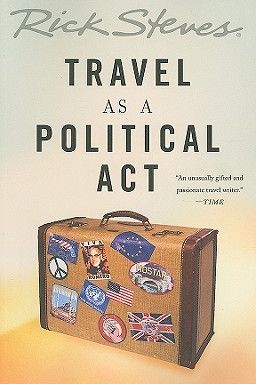
Travel as a Political Act: Seeing the World to Understand It
When was the last time you came home from a trip truly changed? Rick Steves’ Travel as a Political Act argues that seeing the world isn’t just about leisure—it’s about learning, empathy, and personal growth. Steves, one of America’s most well-known travel writers and PBS hosts, contends that meaningful travel can shape how you think, vote, and live. His core claim is simple but radical: travel done thoughtfully is a political act. Every conversation abroad, every moment outside your comfort zone, and every cultural misunderstanding offers a chance to grow beyond prejudice—and to bring that growth home.
This book isn’t a manifesto against tourism but a guide to transforming it into an educational and humanistic journey. Steves believes that by encountering people in Bosnia, El Salvador, Iran, Denmark, Turkey, and Palestine, travelers can challenge the narrow narratives fed by media and nationalism. He shows how seeing the world for yourself can foster compassion and responsibility in ways that armchair news consumption never could. In that spirit, Steves encourages you to travel with open eyes and an open heart—to talk with strangers, wrestle with contradictions, and let what you see change the way you act at home.
Travel as Discovery, Not Escape
Steves distinguishes between escapist vacations and explorative journeys. There’s nothing wrong with relaxing, but if you confine yourself to insulated resorts or cruise ships, you’ll miss the deeper human education travel offers. Instead of fleeing reality, ask questions about your destination’s history and politics. Seek out places that stretch your understanding—whether that’s cycling through Copenhagen to learn about social welfare or marching with Salvadorans who remember Archbishop Oscar Romero’s assassination. His experiences remind us that travel is not just recreation—it’s an opportunity for transformation.
Fear vs. Understanding
A recurring theme in Steves’ narrative is how fear isolates societies. After 9/11, Americans retreated into safety and suspicion, constantly told to be afraid. Steves argues that understanding—not fear—is what keeps us secure. When you share tea with Iranians who welcome you warmly despite political tension, you realize our supposed enemies are often people with hopes just like ours. Steves urges travelers to confront fear by engaging with cultures that challenge what they’ve been taught about “others.” In his words, “Fear is for people who don’t get out much.”
The Traveler as Jester
Steves compares the modern traveler to a medieval jester—someone who plays among ordinary people and then reports the truth back to those in power. Travelers have unique insights because they see firsthand what policy and propaganda obscure. After walking through refugee camps in Palestine, speaking with impoverished families in Central America, and visiting monasteries in post-war Bosnia, Steves concludes that travel can cultivate empathy for people our governments might label adversaries. Returning home, travelers can share this wisdom to make their communities less fearful and more globally aware.
Learning from the World, Not Lecturing It
Underlying his stories is a sense of humility: travel shows that America has no monopoly on good ideas. European welfare systems, Iranian hospitality, and Danish social contracts all reveal alternative ways of organizing society. Steves challenges readers to observe, not impose; to learn why Danes are consistently ranked among the happiest people, or how Salvadorans maintain grace under hardship. He writes with humor and personal vulnerability—admitting his own naïve moments and growth—reminding you that travel’s ultimate lesson is perspective.
By the end of Travel as a Political Act, Steves insists that those insights must come home with you. Seeing human beings across borders changes how you consume news, respond to prejudice, and measure success. Whether you’re visiting Morocco’s markets or volunteering in Central America, you don’t just collect passport stamps. You build global citizenship. In Steves’ view, the most patriotic act an American can perform today might be to fly abroad, listen deeply, and return willing to help your country act with compassion and wisdom in the wider world.