
Idea 1
Becoming Seen: Identity, Art, and Justice
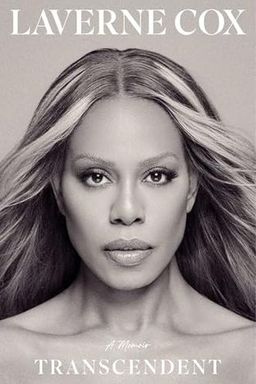
When did you first feel truly seen—and what changed after that? This biography of Laverne Cox charts how a shy, bullied kid from Mobile, Alabama, becomes a boundary-breaking actor and advocate whose visibility helps millions feel seen. The book contends that three forces—identity, art, and justice—interlock to create social change. By owning her identity as a Black transgender woman, honing her art through theater and television, and dedicating her voice to justice, Cox turns personal survival into public possibility.
Identity is a Lifelong Conversation
You watch Cox’s gender journey unfold as a gradual evolution, not a single epiphany. Childhood brought relentless gender policing—from playground taunts to a teacher who warned her mother that she’d end up in a dress in New Orleans if she didn’t get therapy. Puberty intensified the inner conflict, and a near-fatal suicide attempt revealed how shame can metastasize when who you are isn’t reflected back with care. Even in these early chapters, the throughline is clear: survival comes from self-recognition and support.
Later, New York nightlife offers a radical counterweight. In clubs, Cox is waved past lines and celebrated for her feminine expression. She meets Tina Sparkles, an elegant Black trans woman who becomes a living refutation of every caricature she’d absorbed. Cox begins hormones, adopts she/her pronouns, and steps into herself—proving that identity work is both inward and collective. (Janet Mock makes a similar point in Redefining Realness: courage multiplies when you see your story mirrored in someone else.)
Art Turns Visibility Into Narrative Power
Cox’s craft isn’t a detour; it’s a vehicle for dignity. Early roles typecast her as a sex worker—seven times by her count—mirroring a narrow industry imagination. Still, she keeps studying, working with coaches Susan Batson and Brad Calcaterra, and choosing projects that stretch empathy. The breakthrough arrives with Sophia Burset in Netflix’s Orange Is the New Black. Sophia is a layered, fully human trans character—a parent, a partner, a stylist, a survivor. The show’s flashbacks to pre-transition life (performed by Cox’s twin brother, Reginald, as Sophia’s earlier self) and the infamous scene where prison officials cut off her access to hormones move the conversation from spectacle to systemic realities.
“I’m finally who I’m supposed to be. I can’t go back.”
—Sophia Burset to the prison doctor, underscoring how medical gatekeeping threatens identity and health
Art here does more than entertain; it reeducates. Cox’s Emmy nomination—the first for an openly trans actor—signals to Hollywood and viewers that trans lives can be central, compelling, and complex.
Justice Is What Love Looks Like in Public
Cornel West’s line—“justice is what love looks like in public”—is a refrain Cox repeats onstage. The data justify the urgency: 41 percent of trans and gender non-conforming adults report a suicide attempt (vs. 4.6 percent in the general population), 47 percent report being fired or denied promotion because of gender identity, and many face housing, healthcare, and policing discrimination (National Transgender Discrimination Survey). Cox uses her platform to redirect media fixation from surgeries to survival: violence against trans women of color, denial of medically necessary care, bathroom bills, and the criminalization of trans existence.
Her advocacy includes producing The T Word, co-producing Free CeCe about CeCe McDonald’s incarceration in a men’s prison, and giving campus talks titled “Ain’t I a Woman? My Journey to Womanhood,” which links her story to Sojourner Truth’s demand for full womanhood. She models how to educate with rigor and grace—correcting “born a boy” to “assigned male at birth” on national TV, for instance—while keeping focus on the community’s material needs.
Why This Matters to You
You’re living in a moment where representation shifts policy, and language shapes lives. Whether you’re a teacher, manager, healthcare worker, parent, or friend, Cox’s arc offers a practical map: get the words right, listen to people’s self-definition, stop outsourcing humanity to stereotypes, and convert empathy into action. The book gives you history (from Christine Jorgensen to Stonewall to Title VII rulings), vocabulary (gender identity vs. sexual orientation; allyship principles), and resources (Trans Lifeline, NCTE) alongside the intimate beats of Cox’s life.
Across the chapters, you’ll preview how childhood shaming forged resilience; how dance and theater offered a path from survival to self; how Sophia Burset reframed a national conversation; how media moments (like Katie Couric’s genitalia question) became teachable; how intersectionality explains who bears the brunt of violence; and how allyship scales from language to policy. Above all, you’ll see how possibility travels: from a kid running home to escape bullies, to a woman whose wax figure stands in a global museum, reminding everyone that trans is beautiful—and that being seen can be a first step toward being safe.