
Idea 1
The Search for Meaning and Consciousness
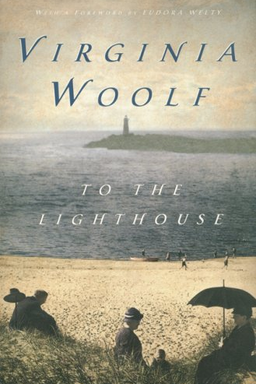
How do you make sense of life’s shifting moments—those transient flashes of connection, silence, beauty, and heartbreak that seem to define what it means to be alive? In To the Lighthouse, Virginia Woolf invites you into exactly this question. She argues that beneath our daily chatter and actions lies an entire ocean of consciousness—the endless ebb and flow of perception, memory, love, and loss. Through the Ramsay family’s day at their summer home, Woolf shows how time and human awareness intertwine, shaping reality far more than external events ever could.
The book unfolds less like a traditional story and more like a tapestry of interior movement. Its three parts—The Window, Time Passes, and The Lighthouse—trace how life itself pulses between presence and absence, between what is seen and what is felt. We encounter Mrs. Ramsay, whose warmth and sensitivity hold her family and guests together by the fragile threads of care; her husband, Mr. Ramsay, an intellectual in torment over his own sense of failure; and Lily Briscoe, a young painter struggling to capture truth and permanence through art.
Woolf’s Revolution in Fiction
Virginia Woolf’s approach in To the Lighthouse revolutionized the modern novel. Instead of narrating what happens, she reveals how people think and feel while those things happen. The larger world—the boeuf en daube at dinner, the trip to the lighthouse, the wars and deaths—is filtered through flickering consciousness. You never quite see an event unfold; you perceive the emotions around it. This was Woolf’s radical claim: the mind’s inner rhythms matter more than physical action.
Eudora Welty, in her foreword, calls Woolf’s technique “meteorological,” as if the mind’s weather—lightning flashes of awareness, sudden calms of memory—becomes the true story. Whether it’s Mrs. Ramsay quietly knitting while pondering love and injustice, or Lily Briscoe struggling to say, “But this is what I see,” Woolf illuminates the subtle brilliance of ordinary consciousness. In that sense, the novel argues that reality is subjective—shaped by how we perceive it rather than by what merely occurs.
The Rhythm of Life and Time
Across all its pages runs a profound rhythm, like waves over a shore. The first section, The Window, captures the vivid intensity of one day—the conversations, misunderstandings, flashes of tenderness. The middle section, Time Passes, removes human presence altogether; the abandoned house slowly decays as time and nature erase the traces of life. By the final section, The Lighthouse, only a few remnant figures return, confronting their memories, their art, and the meaning of endurance itself.
This structure mirrors Woolf’s conviction that time itself transforms reality. The moments we inhabit are constantly washed by the tides of change—birth, death, and renewal. Mrs. Ramsay dies quietly offstage; her children grow up, others depart; the pulse of existence continues, indifferent yet strangely serene. Woolf reminds you that even absence—the people gone, the words unsaid—can hold immense presence. Her prose gives form to the invisible rhythm of life passing through memory.
Why It Matters to You
Why does Woolf’s meditation on fleeting consciousness matter? Because we live in similar tension every day: between what we show and what we actually feel; between time’s forward rush and our longing for permanence. Woolf suggests that the only way to find coherence is through art and awareness. Like Lily Briscoe finishing her long-delayed painting, each of us must turn inner chaos into meaning. The brush stroke on her canvas becomes symbolic of the human endeavor itself—tiny attempts at order amid ceaseless flux. She ends with the quiet triumph: “It is finished. I have had my vision.”
Thus, To the Lighthouse is not just a story—it’s an invitation to experience life as an unfolding consciousness. You move through grief, beauty, and memory as through rooms of Woolf’s luminous house, feeling how everything changes, even as it endures. The lighthouse itself stands distant, austere, signaling eternally across the sea—a metaphor for the unreachable clarity we seek. For Woolf, meaning resides not in arriving but in perceiving—the art of seeing things as they shimmer, fade, and return.